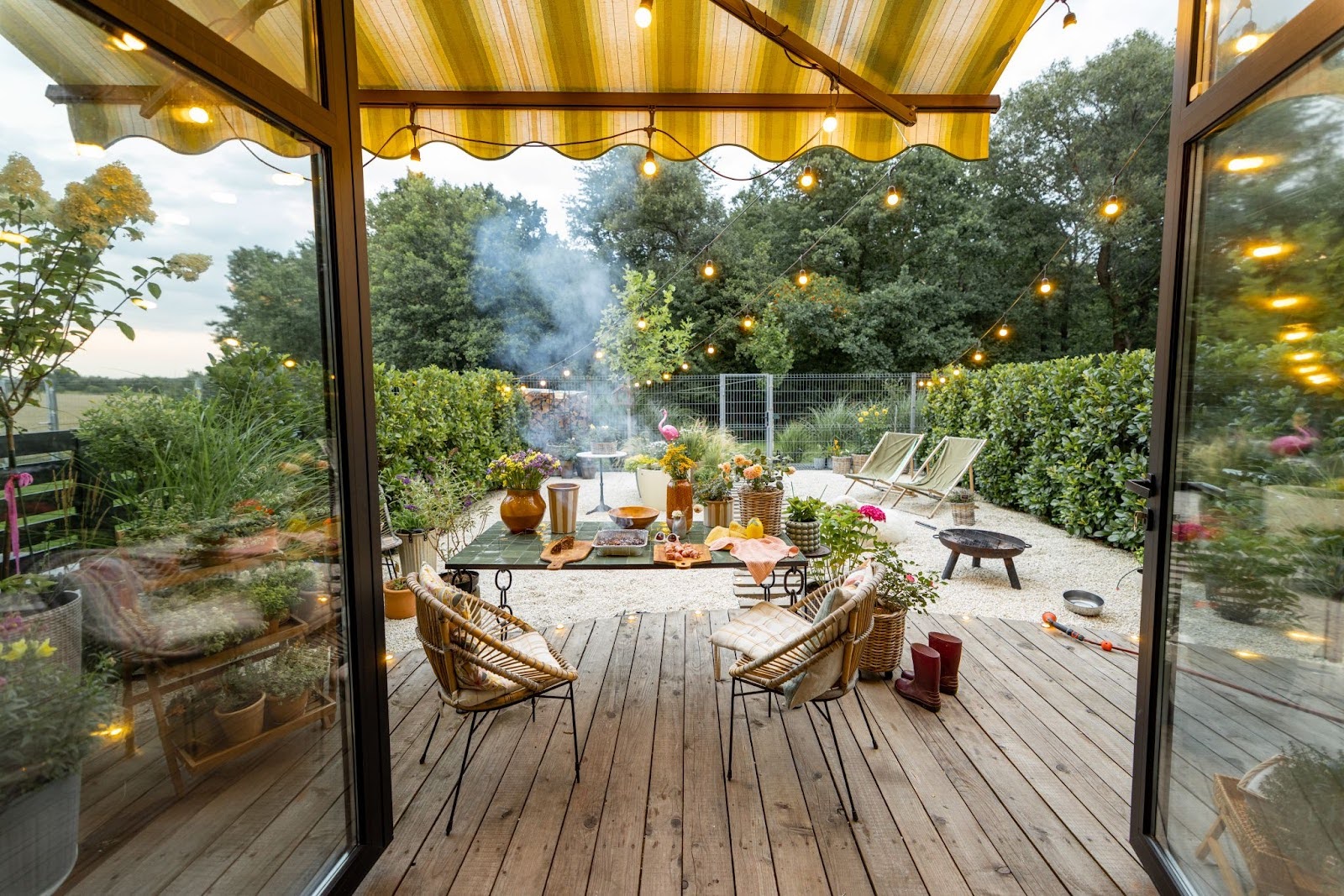
Backyard spaces shape how people rest, gather, and enjoy their homes each day. Many homeowners know they want a comfortable outdoor area, but struggle with the design choices that guide the final layout. A clear plan helps narrow options and creates a deck that feels natural with the yard and the home. Smooth transitions between indoor and outdoor areas make daily routines easier and more enjoyable. Careful planning supports a deck that adds steady comfort and purpose to the property.
How Deck Design Shapes a Backyard Layout
A well-designed deck connects the yard to the home in a clear, practical way. A backyard layout gains order when the deck supports movement and gives each zone an easy role. Homeowners can design with confidence when they match the deck’s shape to how they use their outdoor space. An innovative approach turns confusing options into a layout that feels natural and steady.
Assessing Your Yard’s Size and Shape
A clear understanding of the yard’s shape helps guide the deck footprint. Narrow spaces benefit from stretched layouts that follow the home’s lines without feeling tight. Wide yards allow zoned layouts for seating, cooking, or play without creating clutter. Sloped yards often support multi-level decks that follow the terrain in a stable pattern. Proportional choices prevent the deck from overpowering the yard or feeling too small. A balanced design supports function and comfort throughout daily use.
Matching Deck Style to Home Architecture
A deck that matches the home’s architecture keeps the property visually unified and comfortable. Modern homes favor clean forms and slim railings that suit straight lines. Classic homes respond well to warm wood tones and trim that echo the structure’s details. Color harmony helps the deck blend rather than feel like a separate piece. Material textures also influence how the deck appears beside the home. A unified look improves curb appeal and long-term comfort for homeowners.
Planning Smooth Traffic Flow
A streamlined traffic flow helps the deck support easy movement between the house and the yard. Doors should open into areas that do not block seating or stairs. Stairs should be placed so people can move without crowding or turning sharply. Cooking and dining zones should be located in areas that facilitate easy access. Sightlines guide where to place furniture so paths stay open. A strong flow keeps the deck pleasant for both quiet days and gatherings.
Choosing a Deck Design That Fits Your Lifestyle
Lifestyle choices help shape the deck’s structure, scale, and layout. A space used for quiet moments needs different features than a space used for hosting friends. Family needs add another layer that shapes zones, railings, and details. A lifestyle-focused plan makes the helpful deck year-round.
Layouts for Daily Relaxation
Deck layouts designed for quiet comfort include shade, privacy, and steady flow. Shade structures or tall planting areas help soften intense light. Short paths between indoor and outdoor zones support simple daily routines. Even small decks can host calm seating when planned with care. Privacy screens keep the space quiet without a heavy enclosure. A relaxation deck thrives when the layout supports low-stress movement and rest.
Designs for Social Gatherings
Gathering-focused decks need open space, clear paths, and stable zones for cooking and seating. Grilling areas should sit near indoor kitchens to simplify food prep. Dining zones should avoid blocking movement or doors. Long or wide layouts help groups move without stepping over chairs. Slim railings keep views open for conversation and connection. Hosting becomes easier when each area supports its task without crowding.
Features for Growing Families
Family-friendly decks need sturdy surfaces, wide stairs, and edges that feel safe. Lower deck heights offer parents peace of mind while maintaining a consistent style. Smooth steps help kids move safely between indoor and outdoor spaces. Built-in storage allows parents to keep outdoor toys neat. Rail spacing should match child safety needs. A family deck becomes a reliable extension of the home when it supports both play and rest.
Planning for Pet Owners
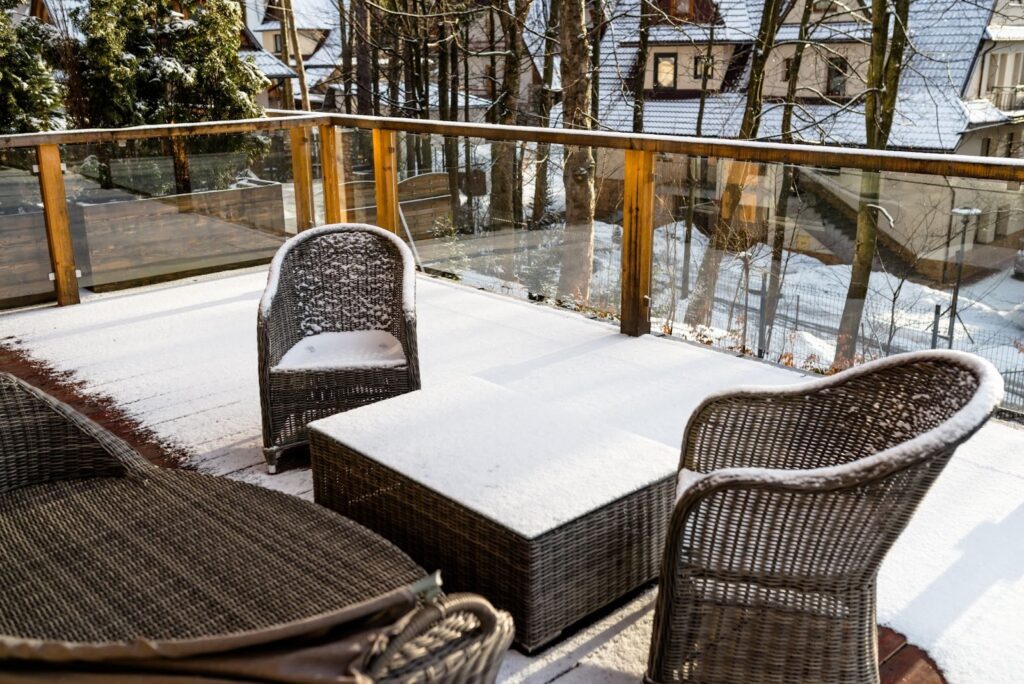
Pet-focused decks benefit from safety gates, durable surfaces, and shade. Gates keep pets within the yard without limiting people’s movement. Scratch-resistant materials help maintain the deck’s look over time. Shade helps pets rest on warm days. Slat spacing should match pet size for security. A hose-friendly layout makes it easy for owners to clean the deck.
Selecting Deck Materials That Support the Design
Material choice affects cost, look, texture, and long-term care. Wood and composite remain the two most common options, and each offers unique value for different climates. Color and grain patterns shape the deck’s connection to the yard and home. A smart material plan supports both durability and design goals.
Comparing Wood and Composite Deck Boards
Wood boards provide warmth and natural grain that many homeowners love. Composite boards offer strong durability, low upkeep, and steady color. Wood may need staining to maintain strength and appearance. Composite resists moisture and stays smooth through seasonal shifts. Each option fits different budgets and comfort levels with maintenance. Homeowners gain clarity by comparing lifespan, care needs, and style goals.
Railing Options That Balance Safety and Style
Railing decisions guide safety, visibility, and overall style. Metal railings offer slim profiles that open expansive views across the yard. Wood railings feel warm but need more care through the seasons. Composite railings give consistent color and simple maintenance. Glass panels support modern homes and preserve full sightlines. Height and spacing define how safe and open the deck feels. Each railing style should blend with both the house and the yard.
Decking Choices for Local Weather Patterns
Climate shapes how materials behave throughout the year. Humid regions may accelerate wood’s wear unless it is cared for. Composite remains stable in heat and moisture, making it a strong choice in many areas. Cold climates often need materials that resist freeze cycles. Intense sun exposure calls for fade-resistant surfaces. Climate-fit material planning promotes long-term strength and steady comfort.
Hardware and Fasteners for Lasting Stability
Hardware choices keep the deck strong and safe. Hidden fasteners create clean surfaces without visible screws. Stainless steel holds up near water or damp soil. Coated fasteners protect against corrosion in most climates. Strong connectors prevent board movement. Reliable hardware supports a long-lasting structure.
Working With Yard Features When Finalizing Deck Design
Backyard conditions guide the best placement, shape, and scale of the deck. Sun patterns, privacy needs, airflow, and natural features all affect the final layout. Plants, slopes, or stone elements can shape the deck’s edges. A design that respects the land improves comfort and function.
Positioning the Deck for Sun and Shade
A deck placed with sun and shade in mind stays comfortable across the seasons. Intense light may call for pergolas or roof structures. Shade from trees helps cool the deck during warm months. Wind patterns guide seating and railing choices. Seasonal changes influence layout decisions. A comfort-first approach helps the deck remain usable year-round.
Designing the Deck Around Landscape Features
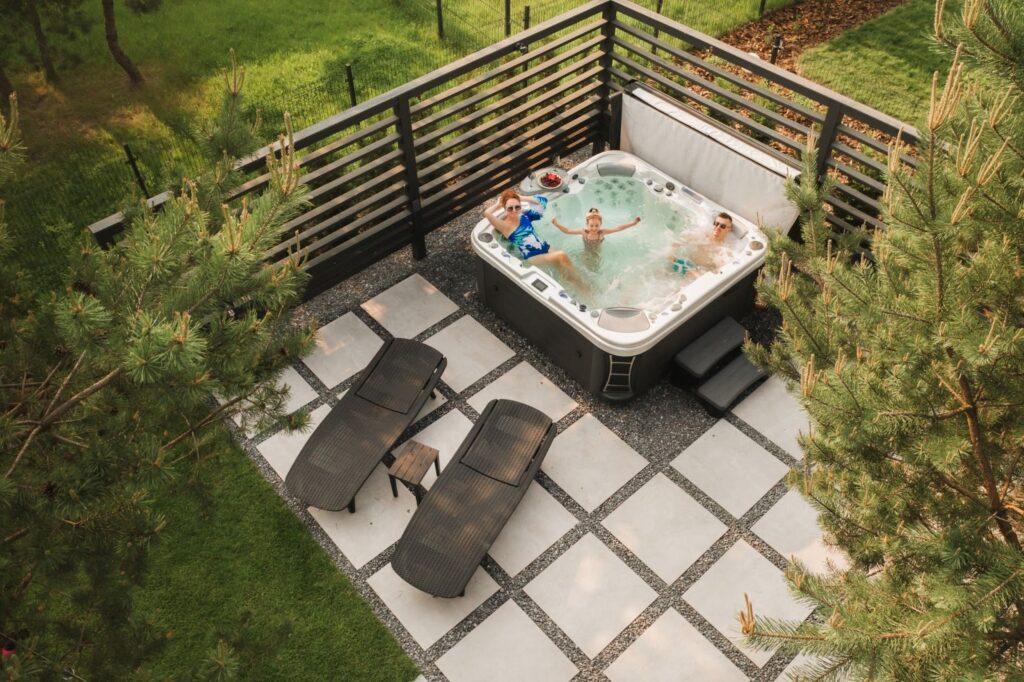
Trees, gardens, and slopes help shape the deck in creative ways. Protecting root zones prevents long-term damage to the yard. Curved edges can help the deck feel more natural in organic landscapes. Stone paths may indicate where stairs or landings are located. Raised platforms work well on uneven ground. Natural features help the deck feel rooted in the space.
Planning for Backyard Privacy Needs
Privacy shapes relaxation and comfort levels. Screens or tall plantings help block sightlines from nearby. Angled panels offer privacy without shutting out airflow. Higher railings may help in tight neighborhoods. Placement within the yard should balance openness and protection. A privacy-aware deck encourages daily outdoor use.
Budget Planning and Contractor Guidance for Deck Design
Budget planning guides scale, materials, accessories, and long-term decisions. Larger footprints increase structure needs and cost. Extra features also increase contractors’ labor needs. Precise planning reduces stress as the project moves forward.
Setting a Realistic Deck Budget
Deck costs vary with material choice, layout, and labor. Wood often costs less upfront but needs more upkeep. Composite raises initial cost but offers long-term stability. Complex shapes increase installation time. Lighting, built-ins, and rail upgrades add to the total. A clear budget helps homeowners avoid unwelcome surprises.
How Contractors Strengthen Deck Planning
Professional builders offer code knowledge and structural insight. Their experience prevents layout flaws that could weaken the deck. They understand footings, loads, and beam spacing. Tight spaces benefit from their design skills. Clear drawings support accurate pricing and installation. Skilled guidance leads to a safe and lasting deck.
Planning the Deck for Long-Term Upgrades
Some homeowners add covers, lighting, or outdoor kitchens later. Wiring plans support future lighting zones. Strong framing allows roofs to be added without heavy changes. Conduits help hide wiring for later upgrades. Space planning helps fit grills or fire features. Long-term awareness keeps the deck adaptable.
Steps to Begin Your Deck Design Project
A strong start begins with clear ideas, yard measurements, and practical notes. Photos help contractors understand sun patterns and slopes. A list of needs helps guide layout discussions. Simple prep helps homeowners move from ideas to plans.
Gathering Ideas and Preparing Notes
Photos, sketches, and samples help narrow style preferences. Short diagrams help test flow and furniture placement. Notes on shade, access, and yard trends support layout choices. Material samples help confirm texture and color harmony. Questions for contractors help guide decision-making. Good prep encourages a smoother design process.
Measuring the Space With Accurate Detail
Accurate measurements help guide scale, structure, and proportion. Yard length and width define the maximum footprint for the deck. Door placement shapes how the deck connects to indoor spaces. Slope changes help determine whether the deck needs multiple levels. Nearby trees or utilities set limits that shape final choices. Precise numbers help prevent surprises during the build.
Reviewing Local Codes and Permit Needs
Local codes help define deck height, railing rules, and structural loads. Code limits also shape where footings can sit and how wide the stairs must be. Permit offices may require drawings or site plans to approve the build. Safety rules protect the structure from long-term issues. Informed knowledge of these rules supports smooth planning. Early code awareness saves time once contractors begin work.
Create a Deck Design That Serves Your Lifestyle
A well-planned deck brings new energy to your home and supports the daily routines that matter most. When you shape a layout that matches how you relax, cook, gather, or unwind, the space becomes a natural part of your life instead of a feature you rarely use. The right design choices set the stage for comfort, flow, and long-term value in your yard. If you’re ready to build a space that fits the way you live, reach out and start shaping a deck that supports your plans with purpose and clarity.
Visit the KB Builders LLC blog for expert guidance, design tips, and real-world advice that helps you plan your outdoor space with confidence.