
Homeowners often notice their yard feels incomplete before they notice the fence itself. A thoughtful fence design frames the property and defines outdoor living areas. Modern fencing also influences privacy, safety, and the home’s overall character. Today’s homeowners want fences that balance durability, style, and practical performance. Smart fence design decisions often turn a simple boundary into a feature that supports comfort and long-term property value.
Modern Fence Design Ideas for Homeowners
Homeowners often look for fence design ideas when updating outdoor spaces or improving privacy. A well-planned fence should support security, appearance, and long-term durability. Modern residential fencing now reflects architectural style and everyday lifestyle needs. Several current design trends explain how homeowners shape fences that work both visually and practically.
Modern Priorities for Residential Fencing
Modern residential fencing focuses on privacy, visual balance, and compatibility with the home’s architecture. Homeowners now expect fencing to complement outdoor living spaces rather than mark boundaries. This design approach considers airflow, sightlines, and proportional height around the yard. These priorities guide many current residential fence installations and renovations.
Privacy Without a Closed-Off Yard
A privacy-focused fence blocks outside views while maintaining light and airflow. Many homeowners now avoid solid walls that make outdoor areas feel confined. Designers often install horizontal boards with narrow spacing that softens the barrier effect. This spacing technique protects privacy while allowing sunlight to filter through the fence. Staggered panels reduce the heavy appearance common in older privacy fences. Modern residential projects often use layered board layouts to create depth while maintaining comfortable outdoor visibility.
Clean Lines and Minimalist Fence Styles
Minimalist fencing emphasizes simple geometry and clean visual flow. Many modern homes benefit from horizontal board layouts that stretch across the landscape. This layout style draws attention to the yard’s width rather than its height. Flat-top profiles also maintain a calm and balanced appearance along property lines. Concealed fasteners help maintain the fence’s streamlined appearance. These refined details allow the fence structure to complement contemporary architecture without distracting from the home itself.
Balanced Fence Height and Proportion
Fence height planning balances privacy needs with visual harmony around the property. Many homeowners choose taller fences for backyard privacy and shorter fences near the front yard. This height variation keeps the home visible from the street while protecting personal outdoor areas. Additionally, proportional fence height prevents structures from overwhelming landscaping features. Designers often align fence height with nearby patios, decks, or retaining walls. This proportional layout creates a more unified outdoor environment.
Materials Shaping Modern Fence Styles
Fence materials shape durability, maintenance needs, and visual character across residential properties. Homeowners now consider long-term performance as carefully as appearance. This material selection process often combines traditional lumber with newer engineered products. These options allow homeowners to customize fencing style without sacrificing durability.
Natural Wood With Contemporary Finishes
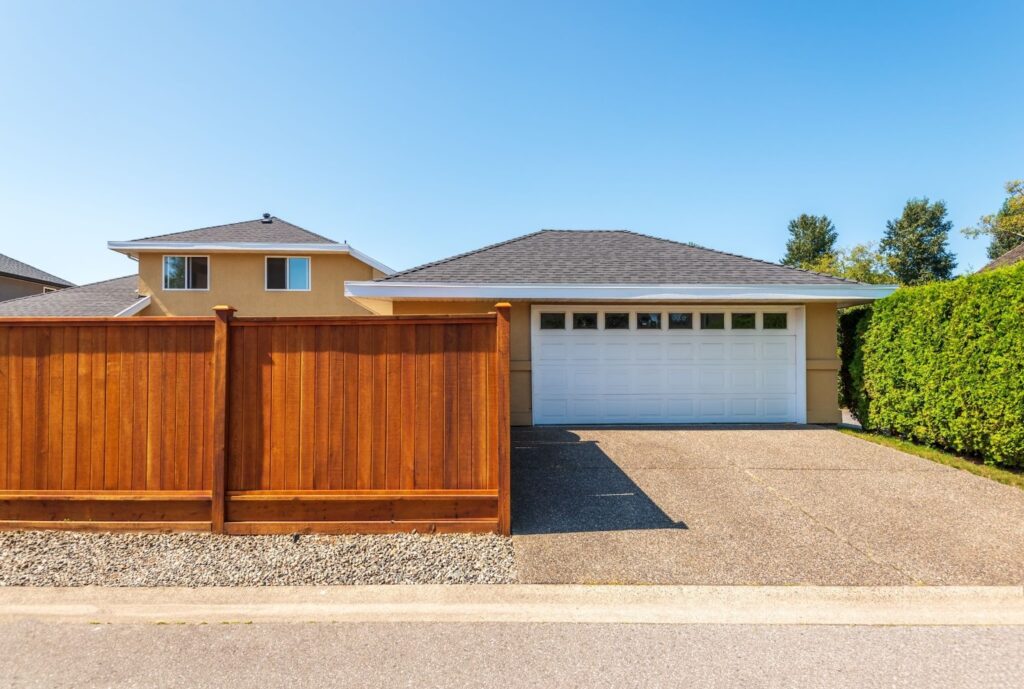
Wood fencing remains popular because natural materials blend well with residential landscapes. Cedar and redwood attract homeowners because they resist moisture and insect damage. Many homeowners now prefer darker stains that highlight wood grain patterns. This finish choice produces a refined look that pairs well with modern homes. Varied board widths add texture and depth across long fence sections. Many contractors recommend protective sealants in accordance with construction industry guidelines from organizations such as the American Wood Council.
Metal and Steel Accents for Fencing
Metal fencing elements add durability and visual contrast to residential boundaries. Powder-coated aluminum panels are often used alongside wood or composite boards. This combination introduces modern texture without overwhelming the landscape. Black steel posts have become popular because they support strength with a lighter profile. Metal components resist moisture, corrosion, and insect damage. Many professional installers recommend aluminum framing because it requires little maintenance over time.
Composite and Engineered Fence Materials
Composite fencing uses engineered boards made from recycled plastics and wood fibers. Many homeowners appreciate composite materials because they resist rot and moisture damage. This engineered material requires far less staining or sealing than traditional lumber. Composite boards also come in colors that resemble cedar or walnut finishes. Many manufacturers design these products for long-term outdoor durability. Industry reports from the North American Deck and Railing Association indicate steady growth in demand for composite fencing.
Decorative Features That Add Character
Decorative fencing elements add visual interest while maintaining privacy and security around residential properties. Many homeowners now treat fences as part of the overall landscape design. This design approach introduces texture, lighting, and artistic detail along property lines. These decorative features often increase curb appeal while supporting practical fencing needs.
Mixed-Material Fence Styles
Mixed-material fencing combines different textures to create visual variety. Wood boards may appear between metal posts or stone columns. This layered structure adds architectural depth across large fence sections. Mixed materials allow homeowners to match exterior home details. For example, steel accents may match the finishes of railings or window frames. This coordinated layout produces a cohesive outdoor environment that feels thoughtfully planned.
Decorative Panels and Laser-Cut Inserts
Decorative fence panels introduce artistic detail within standard fence layouts. Laser-cut aluminum inserts often display geometric or botanical patterns. This panel feature maintains privacy while adding visual character to the fence. Many homeowners install decorative panels near entry gates or patio seating areas. Patterned inserts break up long stretches of fence that appear plain. Durable aluminum panels resist corrosion and maintain their appearance for many years.
Integrated Lighting in Fence Structures
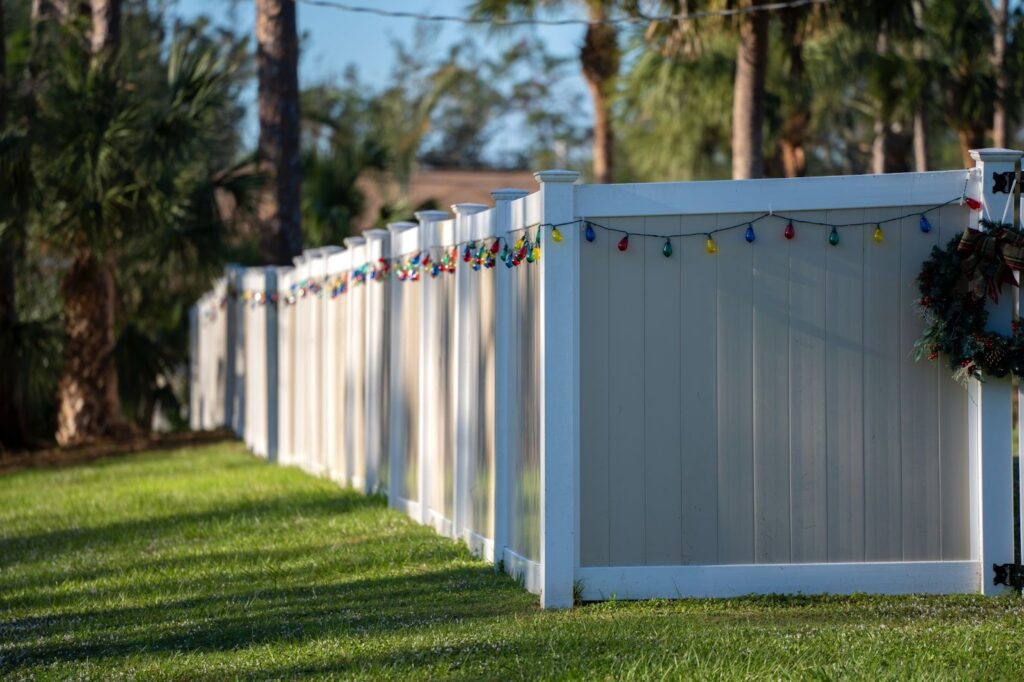
Integrated lighting improves safety and nighttime visibility around residential fencing. Small fixtures often sit beneath top rails or along fence posts. This lighting placement illuminates pathways, patios, and gate entrances after sunset. Subtle lighting highlights the fence’s structure. Many homeowners connect fence lighting with broader landscape lighting systems. This coordinated lighting plan improves both security and evening curb appeal.
Functional Features for Everyday Living
Functional fencing addresses everyday needs such as security, noise control, and family safety. Many homeowners now look for fences that support modern lifestyles. This functional planning approach combines convenience with visual appeal. These practical features have become common in new residential fence installations.
Smart Gates and Automated Entry Systems
Smart fencing systems integrate technology into residential entry points. Automated gates allow homeowners to control access through remotes or smartphone apps. This convenience feature improves daily routines when entering or leaving the property. Many systems connect with home security cameras and motion sensors. Professional installers often recommend keypad entry systems for guest access. This technology integration adds both convenience and security to modern fencing systems.
Noise-Reducing Fence Structures
Noise-reducing fencing helps limit sound from nearby roads or busy neighborhoods. Solid board fences with overlapping panels absorb and redirect sound waves. This structure works best when builders use dense wood or composite materials. Taller fence sections increase sound reduction along property boundaries. Many landscaping experts recommend combining fences with shrubs or hedges for additional buffering. This combined barrier approach improves backyard comfort in urban environments.
Pet-Friendly and Child-Safe Fencing
Pet-friendly fencing protects animals and children while maintaining visibility in the yard. Many homeowners choose narrow picket spacing to prevent pets from slipping through gaps. This spacing feature also reduces opportunities for children to climb. Secure latches help keep gates safely closed during daily use. Smooth interior fence surfaces prevent injuries from exposed hardware. This safety-focused structure helps families enjoy outdoor spaces with greater confidence.
Fences That Blend With Landscaping
Landscape-integrated fencing blends boundary structures with gardens, patios, and natural terrain. Many homeowners now coordinate fencing plans with landscape layouts. This planning strategy prevents fences from feeling disconnected from the yard. These integrated solutions create a more balanced outdoor environment.
Fencing That Complements Garden Layouts
Garden-friendly fencing supports plant growth and visual harmony across the yard. Neutral fence colors often highlight nearby flowers and shrubs. This color selection helps the garden remain the visual focal point. Designers align fence placement with pathways and patio edges. Stepped fence sections follow slopes without leaving gaps beneath panels. This landscape-aware layout improves both appearance and structural stability.
Living Fences and Green Screens
Living fencing incorporates plants directly into fence structures. Trellises allow climbing vines to spread across fence panels. This greenery softens the appearance of wood or metal fencing. Flowering vines add seasonal color along property boundaries. Vertical garden systems may attach directly to strong fence frames. This plant-based approach turns a boundary into an active garden feature.
Plan a Better Fence Design for Your Yard
A well-planned fence design enhances privacy, supports security, and complements the home’s character. Modern materials and thoughtful layouts allow homeowners to create boundaries that feel practical and visually balanced. This planning approach helps prevent costly adjustments while strengthening curb appeal across the property. Homeowners who consult experienced builders during the planning stage often achieve fencing solutions that balance long-term durability with everyday outdoor comfort.
Looking for more ideas to improve your property? Visit the KB Builders LLC blog for expert tips, design inspiration, and helpful homeowner resources.