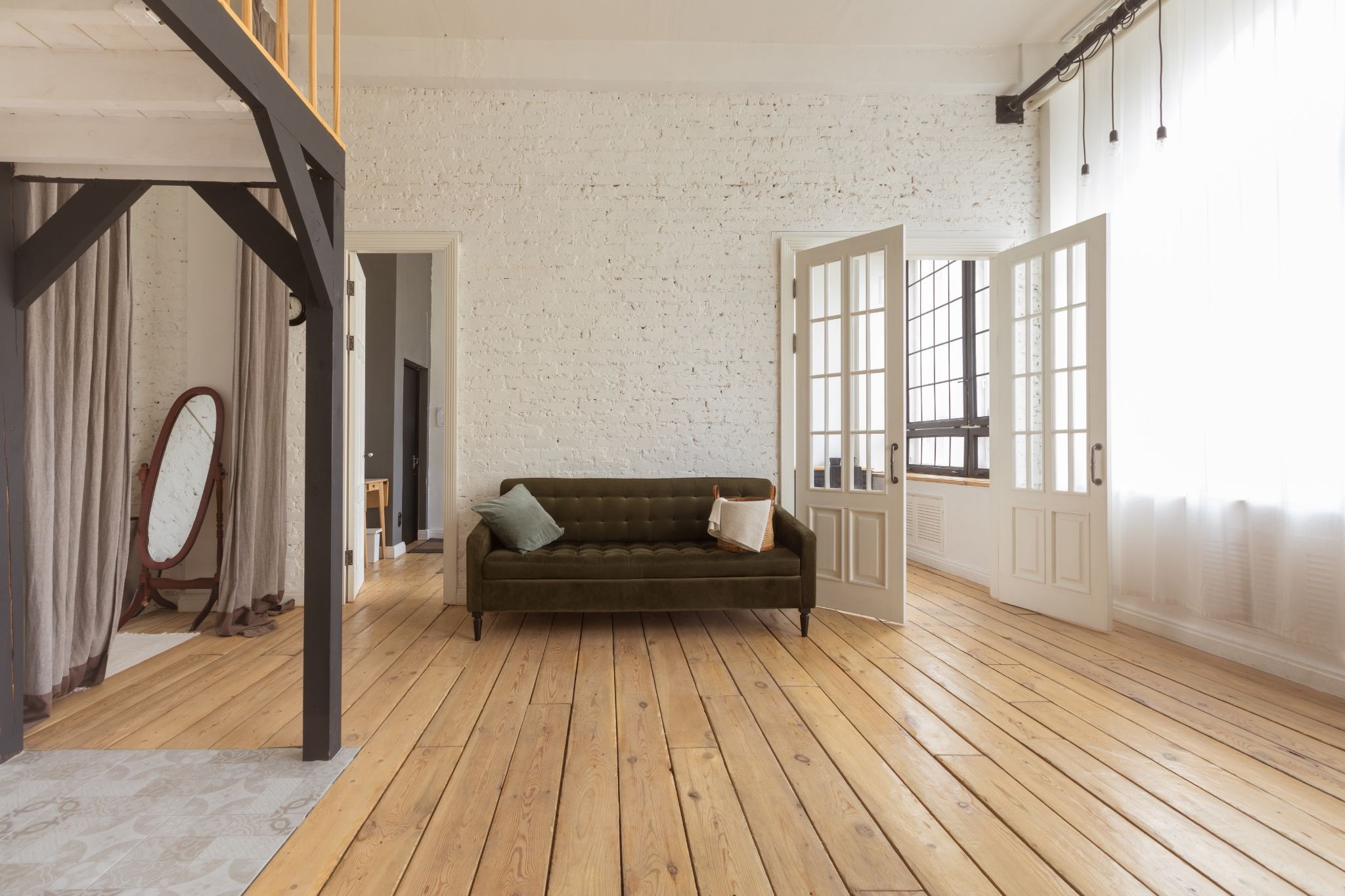
Wood flooring changes the way a home looks and feels every day. Many homeowners carefully compare flooring options because style, durability, and maintenance affect long-term comfort and value. Some wood floors create a warm, traditional setting, while others pair more naturally with clean, modern interiors. Different types of wood flooring also react differently to pets, moisture, and heavy foot traffic inside busy households. A better flooring choice starts with understanding how each material performs in real living spaces.
Why the Right Wood Flooring Matters
The right wood flooring affects comfort, maintenance, durability, and a home’s overall appearance. Some flooring materials handle moisture and heavy foot traffic better than others, making selection more important for long-term performance. Wood flooring also influences property value because buyers often notice the quality of the flooring immediately during home tours. Choosing flooring that aligns with your lifestyle, interior design, and maintenance expectations helps prevent costly replacements and future renovation issues.
Choosing the Right Type of Wood Flooring for Your Home
Wood flooring affects comfort, durability, maintenance, and the overall appearance of each room. Some flooring materials handle moisture, scratches, and heavy foot traffic better than others, making long-term performance an important factor in the selection process. Understanding these differences helps homeowners compare wood flooring options more confidently before choosing specific materials and styles.
Solid Hardwood Options
Solid hardwood flooring uses natural timber planks that bring warmth and long-term value into homes. Many homeowners choose this flooring because it lasts for decades and can be refinished several times. Wood species, finish type, and plank width all affect durability, maintenance, and overall appearance indoors.
Oak Flooring for Busy Homes
Oak flooring remains one of the most popular choices for active households with children and pets. Red oak displays visible grain patterns that help scratches blend naturally into the floor surface over time. White oak offers better moisture resistance and a smoother appearance for kitchens and entryways. Many flooring professionals recommend oak because it balances durability, affordability, and timeless visual appeal effectively. Oak flooring also absorbs stain evenly, making it easier to match furniture, cabinets, and wall colors.
Maple Flooring for Clean Interiors
Maple flooring creates a bright and smooth appearance that works especially well in modern interiors. This hardwood surface features subtle grain details that help rooms feel cleaner and more visually open. Maple also resists dents better than several softer flooring materials commonly used in homes today. Many homeowners install maple flooring in kitchens, hallways, and living rooms with heavy daily foot traffic. However, darker stains sometimes appear uneven because maple absorbs color differently than oak flooring surfaces. Regular maintenance and stable humidity help maple floors maintain their polished appearance for many years.
Hickory Flooring for Tougher Wear
Hickory flooring offers greater resistance to dents, scratches, and heavy indoor household use. This hardwood species features bold grain variation that naturally creates warmth and rustic texture throughout larger spaces. Many families choose hickory because everyday wear blends more easily into its textured wood appearance over time. Hickory also ranks among the hardest domestic flooring materials currently available for residential use. Flooring contractors often recommend professional installation because hickory expands and contracts more than softer hardwood species.
Engineered Floors for Modern Homes
Engineered flooring combines real hardwood surfaces with a layered construction that improves structural stability indoors. Many homeowners choose engineered flooring because it handles humidity changes more effectively than solid hardwood materials. Natural wood appearance and improved moisture resistance continue to increase demand for engineered floors in modern homes.
Better Stability in Humid Areas
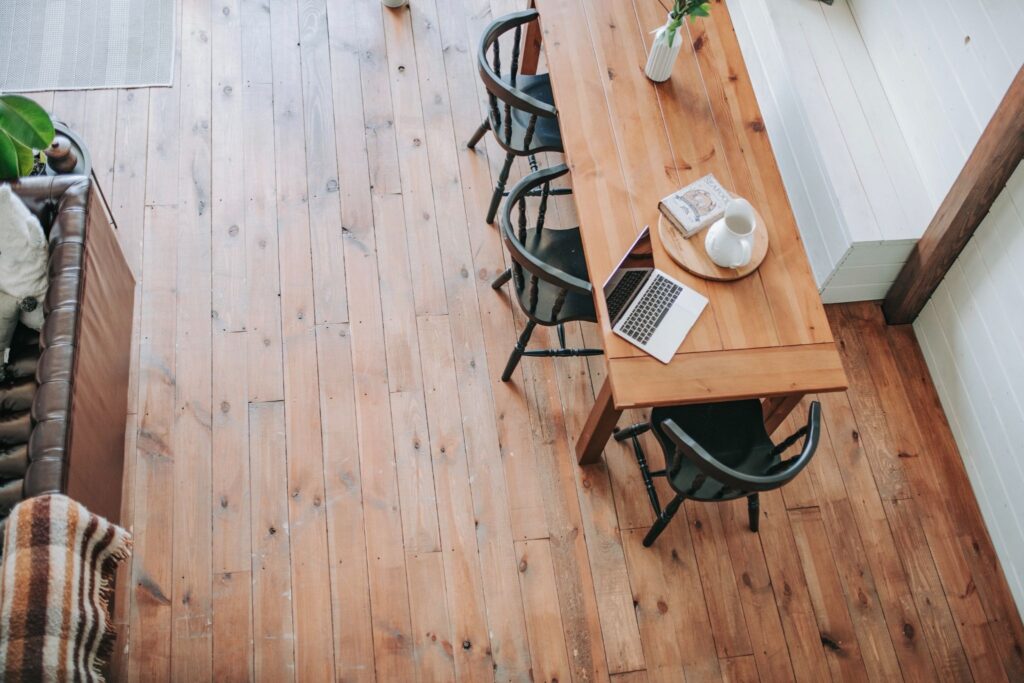
Engineered flooring uses a layered construction that reduces movement caused by humidity and seasonal temperature changes. This flooring structure keeps planks more stable throughout changing indoor conditions year-round. Many homeowners install engineered flooring in kitchens, basements, and lower-level rooms with mild moisture exposure. Manufacturers also produce water-resistant engineered products designed for households with pets and frequent activity. Flooring professionals often recommend engineered flooring for humid climates because it performs more reliably over the long term.
Faster and Easier Installation
Engineered flooring offers several installation methods that simplify residential remodeling projects. Floating floor systems allow installers to connect planks without attaching them directly to the subfloor underneath. This installation process reduces labor time and creates less disruption inside occupied homes during renovations. Engineered flooring also works effectively over concrete surfaces and radiant heating systems in modern properties. Contractors frequently recommend engineered planks for condominiums and upper-level rooms because lighter construction reduces structural stress.
Reclaimed Floors With Character
Reclaimed flooring uses salvaged lumber from barns, factories, and older residential structures. Many homeowners choose reclaimed materials because aged wood creates character that newer flooring often lacks visually. Weathered texture and aged grain patterns help reclaimed floors create warmth and authenticity throughout interior spaces.
Reclaimed Wood Adds Personality
Reclaimed flooring displays natural markings, aged grain, and surface texture that create unique visual depth indoors. Older lumber often comes from mature trees with denser grain than the newer hardwoods available today. This dense wood structure improves durability while naturally adding warmth and personality throughout living spaces. Many homeowners today choose reclaimed flooring for farmhouse, rustic, and vintage-inspired interior design styles. No two reclaimed planks look exactly identical, allowing floors to feel more customized and visually layered naturally. Natural imperfections help reclaimed flooring stand apart from mass-produced flooring products on the market today.
Sustainable Flooring for Modern Homes
Reclaimed flooring supports sustainable remodeling by reusing existing wood rather than harvesting additional timber. This environmentally conscious process reduces construction waste while significantly extending the lifespan of valuable hardwood lumber. Many reclaimed flooring products also contain fewer chemical treatments than several manufactured flooring alternatives today. Homeowners interested in eco-friendly renovations often appreciate reclaimed flooring for both practical and visual reasons.
Bamboo Floors for Modern Spaces
Bamboo flooring gives homes a cleaner, more contemporary appearance than many traditional hardwoods. Although bamboo is a grass rather than a hardwood tree, manufacturers process it into durable residential flooring products. Smooth finishes and lighter tones help bamboo flooring fit naturally into modern interior layouts and open living spaces.
Strand-Woven Bamboo Durability
Strand-woven bamboo ranks among the hardest flooring materials available for residential use today. Manufacturers compress bamboo fibers tightly together to create dense surfaces that effectively resist scratches and dents. Families with pets and children often choose strand-woven bamboo because it reliably handles heavy daily use. This bamboo flooring option also maintains its appearance longer in busy hallways and shared living areas. Modern manufacturing methods consistently improve moisture resistance and structural stability across changing indoor climate conditions.
Bamboo Flooring Maintenance Tips
Bamboo flooring performs best in stable indoor humidity and with consistent cleaning year-round. Excessive moisture may cause swelling, while overly dry conditions can gradually create gaps between flooring planks. Homeowners should clean up spills promptly because standing water can permanently damage seams and protective surface finishes. Soft microfiber mops and manufacturer-approved cleaners help maintain bamboo flooring without unnecessarily harming surface coatings. Protective pads beneath heavy furniture also reduce scratches caused by the frequent movement of tables and chairs indoors. Regular maintenance helps bamboo flooring preserve its smooth appearance and long-term durability throughout active households.
Decorative Parquet Floor Designs
Parquet flooring uses geometric patterns rather than traditional straight-plank layouts in residential spaces. Many homeowners choose parquet because its decorative designs naturally create texture and visual movement throughout larger rooms. Herringbone and chevron patterns remain especially popular in upscale living rooms, hallways, and dining areas today.
Herringbone and Chevron Patterns
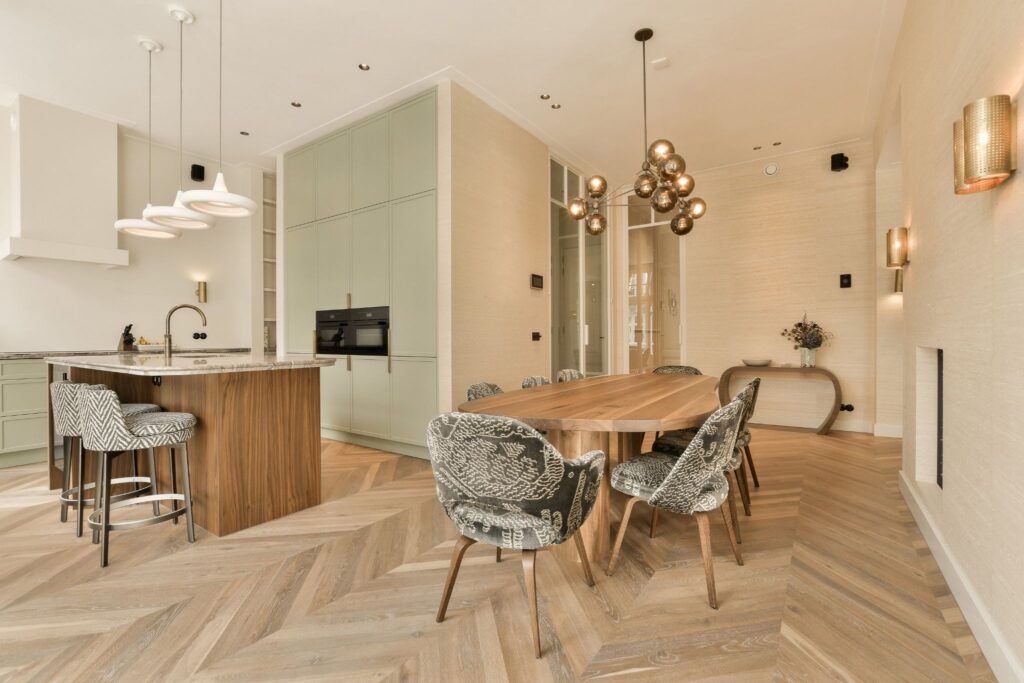
Herringbone flooring arranges wood pieces in a staggered zigzag pattern that creates subtle movement across rooms. Chevron flooring forms continuous V-shaped patterns that produce a cleaner, more dramatic appearance indoors. Both parquet styles help larger rooms feel more detailed without overwhelming surrounding furniture and décor. Many homeowners install these patterns in formal spaces where flooring becomes part of the room’s visual focus. Lighter wood tones soften geometric layouts, while darker finishes create stronger contrast and visual depth indoors. Decorative parquet flooring continues attracting homeowners who want custom-looking interiors with timeless architectural appeal.
Caring for Parquet Flooring
Parquet flooring requires regular maintenance because its patterned layout makes dirt buildup and surface wear more noticeable. Homeowners should vacuum gently with soft floor attachments to effectively protect wood finishes from scratches. Excess water may damage parquet seams, so lightly damp cleaning materials are better for routine maintenance. Protective rugs near entrances also help reduce debris and visible wear across heavily used household areas. Proper care helps parquet flooring maintain both its decorative beauty and structural durability for many years.
Wide Plank Floor Designs
Wide-plank flooring uses broader boards that naturally create a smoother visual flow throughout residential interiors. Many homeowners prefer wider planks because fewer seams help rooms feel calmer and more spacious. Rustic finishes and matte textures further enhance the relaxed appearance of wide-plank floors today.
Wide Planks Open Up Rooms
Wide-plank flooring helps open-concept interiors feel less crowded by reducing the visibility of seam lines. This cleaner appearance works especially well in connected kitchens, dining spaces, and modern family living rooms today. Wider planks also display natural grain variation more clearly, adding warmth and texture throughout interior spaces naturally. Many homeowners pair wide-plank flooring with minimalist furniture and contemporary layouts to achieve balanced indoor room proportions. Matte finishes further soften the appearance while reducing visible dust, smudges, and footprints across floor surfaces. Spacious visual flow continues to drive demand for wide-plank flooring in luxury residential renovations.
Rustic Finishes Hide Daily Wear
Rustic flooring finishes use textured surfaces that make scratches, dents, and scuff marks less noticeable over time. Families with children and pets often choose distressed or wire-brushed finishes because day-to-day maintenance is less stressful. These textured surfaces also create a warmth that naturally balances modern furniture and contemporary design features throughout homes. Many homeowners prefer matte finishes because glossy surfaces show dust, smudges, and footprints much more visibly indoors. Practical durability and a relaxed visual texture continue to make rustic flooring highly popular among modern homeowners today.
Match Your Home With the Right Type of Wood Flooring
The right flooring choice improves comfort, durability, and the overall appearance of your living space for years to come. Professional flooring services also help homeowners compare materials, finishes, installation methods, and maintenance needs with greater confidence. Experienced flooring contractors can recommend options that better fit your lifestyle, room conditions, and long-term renovation goals. Careful planning and expert installation help wood flooring perform better while maintaining its appearance throughout daily household use.
Visit the KB Builders LLC blog for expert guidance, flooring inspiration, and trusted remodeling insights for your home.