Renovations vs Remodels: What’s the Difference?

Homeowners often discuss renovations when planning changes, yet many are unsure what the term truly covers. Renovations can refresh tired spaces, increase property value, and improve daily comfort without changing the entire structure. At the same time, some projects go far beyond surface-level updates and require more extensive construction work. The confusion between renovations and remodels leads to budget overruns, schedule delays, and misaligned expectations. Clear definitions and practical examples help you protect your investment and plan with confidence. What Are Home Renovations? Renovations update or restore existing spaces without altering the core layout. They focus on improving finishes, fixtures, and worn materials while preserving the room’s structure. Homeowners choose renovations when they want visible upgrades with controlled disruption. This renovation approach works well for kitchens, bathrooms, and exterior refresh projects. Cosmetic Renovations and Surface Updates Cosmetic renovations improve appearance without changing structural elements. Contractors repaint walls, install new flooring, and replace outdated lighting to modernize a room. Cabinet refacing, countertop replacement, and hardware upgrades also fall into this renovation category. These renovations maintain the space’s original footprint. Because crews avoid moving walls or plumbing lines, costs remain more predictable. Many homeowners remain in their homes during this type of renovation. Renovations That Restore Function Restorative renovations repair aging or damaged features while preserving the layout. Homeowners replace worn roofing shingles, cracked tiles, or deteriorating siding to maintain their homes’ structural integrity. Kitchen renovations often include new appliances without relocating utilities. Bathroom renovations may involve replacing a vanity or upgrading fixtures for water efficiency. According to data from the National Association of Realtors, updated kitchens and baths often attract stronger buyer interest. This renovation strategy protects property value while improving comfort. Budget and Timeline for Renovations Renovations usually require smaller budgets than structural projects. Painting, flooring, and fixture updates often finish within several weeks. Contractors provide clearer estimates because they face fewer unknown conditions behind walls. This renovation scope reduces the likelihood of costly structural surprises. Homeowners also encounter fewer permit requirements in many municipalities. As a result, planning remains straightforward and less stressful. Hidden Code and Structural Risks in Renovations Even straightforward renovations can uncover unexpected structural or code issues. Older homes often conceal outdated systems behind finished surfaces. Once contractors open walls or remove fixtures, hidden deficiencies may appear. This discovery phase can quickly shift budgets and timelines. Outdated Electrical and Plumbing Systems Replacing cabinets or drywall sometimes reveals aging wiring or pipes. Homes built decades ago may lack grounded outlets or modern circuit capacity. This electrical deficiency requires upgrades to meet current safety codes. Similarly, corroded plumbing lines may not support new fixtures. Contractors cannot ignore these issues once exposed. Addressing them protects both safety and property value. Municipal Code Compliance Surprises Local building codes evolve to improve safety standards. Renovations exceeding specified cost thresholds may trigger mandatory upgrades. This regulatory requirement can apply even when layout changes are minimal. Inspectors may require smoke detectors, ventilation updates, or structural reinforcements. These additions increase costs but improve long-term safety. Understanding local regulations before starting reduces the risk of unexpected disruptions. Structural Weakness Behind Finished Walls Finished surfaces often conceal framing weaknesses or moisture damage. Renovation demolition sometimes reveals rot, mold, or compromised beams. This structural condition must be repaired before proceeding. Ignoring these problems can lead to future instability. Contractors may need engineers to evaluate certain findings. Budgeting for contingencies prepares homeowners for these discoveries. What is a Home Remodel? A remodel changes the structure, layout, or purpose of a space. It reshapes how rooms connect and function rather than simply refreshing finishes. Remodeling projects often involve engineering review, permits, and inspections. This remodeling process requires more thorough planning and skilled coordination among trades. Remodeling That Alters Floor Plans Floor plan remodeling involves removing, adding, or relocating walls to improve flow. Homeowners often open the kitchen to the living area to create shared gathering spaces. Builders must evaluate load-bearing walls before making structural cuts. This remodeling step may require beams or reinforcements for safety. Electricians and plumbers adjust systems to match the new layout. These remodeling changes create dramatic shifts in how families use their homes. Expanding Space Through Remodeling Space expansion remodeling increases square footage or usable area. Families convert basements, enclose patios, or build room additions to meet changing needs. These remodeling projects affect foundations, insulation, and mechanical systems. Contractors must comply with local building codes and zoning regulations. This remodeling scope typically extends timelines and budgets. However, homeowners gain new living space without relocating. Systems Reconfiguration in Remodels Kitchen remodeling often involves relocating plumbing, electrical wiring, or HVAC components. Moving a sink to a new island requires updated supply and drainage lines. Installing new appliances may demand dedicated circuits and upgraded panels. This kitchen remodeling work must comply with local building and safety codes. Licensed professionals handle installations and coordinate required inspections. These adjustments expand design flexibility but add technical complexity. Renovations vs Remodels: Key Differences Renovations improve existing elements, while remodels restructure them. The difference affects cost, timeline, permits, and daily disruption. Homeowners must align the project scope with realistic goals and available resources. This comparison clarifies which approach is best for your property. Cost Differences Explained Renovations typically cost less because they avoid structural modification. Material expenses remain limited to finishes and fixtures. Remodeling projects require framing, engineering, and expanded labor hours. This remodeling budget often includes permit fees and inspection costs. Unexpected conditions behind walls may further increase expenses. Careful financial planning prevents strain during either project type. Timeline and Living Disruption Renovations usually conclude faster than structural projects. Contractors can complete many updates within a defined schedule. Remodeling often spans several months, depending on the complexity. This remodeling timeline may require temporary relocation in extensive cases: noise, dust, and restricted access increase during construction. Families should prepare for adjustments to daily routines. Permits and Professional Oversight Permit requirements vary based on project scope. Many cosmetic renovations proceed without extensive approvals. Remodeling that alters structure or systems often requires municipal permits.
Types of Accessory Dwelling Units Explained
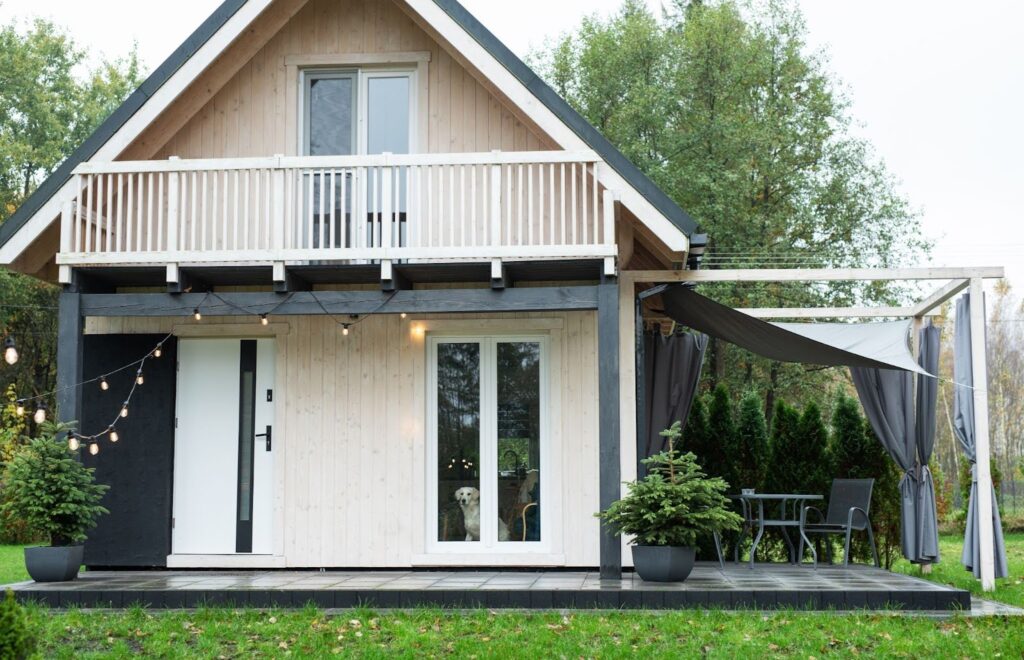
Accessory dwelling units have moved from being optional add-ons to becoming practical tools for homeowners facing real housing pressures. Many property owners want flexibility without giving up their location, lifestyle, or long-term financial plans. A well-designed secondary unit can support family members, create rental income, or adapt to changing needs over time. These spaces allow homeowners to respond to rising costs while retaining control over their property. Accessory dwelling units now reflect thoughtful planning rather than short-term fixes. Accessory Dwelling Units Defined Accessory dwelling units are self-contained residences located on the same lot as a primary home. These units include their own kitchen, bathroom, and sleeping space, enabling independent daily living. Local building and zoning rules determine how large they can be and where they may be placed. Understanding this definition helps homeowners avoid confusion between legal ADUs and informal living spaces. What Makes a Space an Accessory Dwelling Unit An accessory dwelling unit qualifies as a whole residence because it supports independent living without relying on the main house. That independence requires permanent cooking facilities, a dedicated bathroom, and a separate sleeping area. Local codes also mandate safe access, which usually means a private entrance. These requirements separate ADUs from bonus rooms or finished basements. Utility connections must meet residential standards. Meeting these criteria allows the unit to function as lawful housing. How ADUs Differ From Guest Suites Guest suites serve short-term or occasional use and usually depend on the main home for kitchens or utilities. An accessory dwelling unit, by contrast, allows someone to live entirely independently on the same property. That distinction affects zoning approval, rental eligibility, and property taxes. Municipalities often regulate ADUs as long-term housing rather than temporary accommodations. This classification shapes how homeowners can legally use the space. Understanding the difference prevents compliance issues later. Why Homeowners Add Accessory Units Many homeowners build ADUs to generate steady rental income that supports long-term financial goals. Others plan for family members who need proximity without shared living arrangements. Some owners anticipate future lifestyle changes and want options in place ahead of time. This foresight allows properties to adapt without significant disruptions. ADUs also provide private workspaces or studios. These varied uses influence both design choices and placement. Detached Accessory Dwelling Unit Options Detached accessory dwelling units exist as separate structures from the main home. This separation provides privacy that many homeowners and occupants value. These units often sit in backyards or repurposed outbuildings. Their independence makes them appealing to renters and extended family living. Backyard Cottage Accessory Units A backyard cottage ADU functions much like a small standalone home. This setup provides occupants with privacy while preserving the primary residence’s layout: zoning rules govern placement, setbacks, and height limits. Utility lines must connect safely to the central systems. These units often attract consistent rental interest. Thoughtful landscaping helps them blend into the property. Detached Garage Conversion Units Garage conversions turn existing structures into livable space without expanding the home footprint. This approach reduces construction time and structural costs. Upgrades typically include insulation, plumbing, and fire-rated materials. Parking requirements can influence approval depending on the location. These units work well for compact living needs. Homeowners often complete them faster than new builds. Newly Built Detached ADUs New detached ADUs allow homeowners to design spaces around specific goals. Layouts can prioritize long-term rentals, family use, or flexible occupancy. Permits and inspections govern utility connections and safety standards. Costs vary depending on site conditions and finishes. These units often enhance the property’s overall appeal. Their adaptability supports changing needs over time. Attached Accessory Dwelling Unit Designs Attached accessory dwelling units connect directly to the primary residence. These units share walls while maintaining separate entrances. Homeowners often choose this option to keep family members close. Structural integration influences design and cost. Side Addition Accessory Units Side additions extend the home laterally while preserving its overall structure. Builders often match exterior materials to maintain visual continuity. Soundproofing becomes essential to protect privacy. Utility systems may remain shared, depending on design. Construction can temporarily affect daily routines. Finished spaces typically feel like natural extensions of the home. Rear Extension ADUs Rear extension ADUs make use of backyard space while keeping the front façade unchanged. This design works well in neighborhoods with appearance guidelines. Ground-level access improves accessibility for many occupants. Zoning setbacks determine how far the structure may extend. These units often feel open and functional. Families frequently favor this layout. Above-Garage Attached ADUs Above-garage ADUs use vertical space without altering lot coverage. Structural reinforcement supports added weight and occupancy. Stair access must comply with safety codes. Natural light planning often includes skylights or dormers. These units suit long-term residents well. Height restrictions may limit feasibility in some areas. Interior Accessory Dwelling Unit Conversions Interior accessory dwelling units adapt existing space within the home. This approach minimizes exterior construction and visual changes. Homeowners with limited lot sizes often prefer this option. Careful design ensures comfort and code compliance. Basement Accessory Dwelling Units Basement ADUs convert underused space into functional housing. Ceiling height and egress requirements shape feasibility. Proper drainage and moisture control protect durability. Sound insulation improves separation from the main home. These units often attract reliable rental demand. Thoughtful lighting enhances livability. Attic Conversion Accessory Units Attic ADUs require structural planning due to sloped ceilings. Reinforcement supports added load and occupancy. Stair placement must meet code standards. Skylights or dormers improve natural light. These units suit smaller households. Design efficiency plays a key role. Split-Level Interior ADUs Split-level homes often adapt well to interior ADUs. Existing entrances simplify separation between living spaces. Partial kitchens may meet local requirements. Noise transfer remains manageable with proper insulation. Costs typically stay moderate. Homeowners retain flexibility for future use. Junior Accessory Dwelling Units Explained Junior accessory dwelling units provide compact living options within existing homes. These units operate under distinct regulations. Their smaller size reduces construction impact. Homeowners often benefit from simpler approvals. Features of Junior Accessory Dwelling Units A junior ADU occupies a
What to Look for When Hiring Home Remodeling Contractors

Home renovations often begin with excitement and quickly shift into concern once real decisions appear. Homeowners think about budgets, timelines, and how daily routines may change. Trust becomes the central issue when outside professionals enter private spaces. Home remodeling contractors influence every stage of the process, from planning through completion. The right choice reduces stress while protecting both the home and the investment. What Home Remodeling Contractors Do Home remodeling contractors oversee residential renovation projects from planning through final inspection. This professional role includes scheduling labor, ordering materials, and coordinating inspections. Contractors also serve as the primary link for communication between homeowners and tradespeople. Understanding this responsibility helps homeowners set realistic expectations and avoid miscommunication. Daily Responsibilities of Remodeling Contractors Home remodeling contractors manage schedules, budgets, and on-site work every day. This daily oversight includes coordinating plumbers, electricians, and carpenters. Contractors also monitor craftsmanship to ensure compliance with approved plans and building codes. This coordination reduces downtime and prevents trade conflicts. Many homeowners underestimate the amount of planning that goes on behind the scenes. That oversight directly affects quality, safety, and project timelines. Difference Between Contractors and Subcontractors Contractors supervise the entire project, while subcontractors perform specialized tasks. This structural distinction keeps accountability centralized with one professional. Contractors vet subcontractors for licensing and reliability. Homeowners usually communicate only with the contractor, not individual trades. That single point of contact simplifies decision-making. Clear role separation reduces confusion during complex remodels. When a Contractor is the Right Choice Extensive renovations require professional oversight to ensure compliance with permits and inspections. Structural changes, plumbing reroutes, or electrical upgrades exceed the handyman’s scope. This project’s scale increases safety and compliance risks. Contractors manage those risks through licensing and insurance. Homeowners benefit from coordinated workflows and legal protection. Complex remodels rarely succeed without professional leadership. What Matters When Hiring Home Remodeling Contractors Hiring decisions shape the cost, quality, and long-term value of a remodeling project. Homeowners often focus on design choices while overlooking contractor qualifications. That imbalance leads to avoidable stress and expensive corrections. Understanding what truly matters when selecting home remodeling contractors creates a stronger foundation for every renovation decision. Licensing and Legal Compliance Standards Licensed remodeling contractors meet state and local construction requirements. This legal compliance protects homeowners from unsafe or unapproved work. Licensing also creates accountability through regulatory oversight. Understanding these standards helps homeowners avoid legal and financial setbacks. Why Contractor Licensing Matters Licensing confirms training, testing, and knowledge of building codes. This credential demonstrates that contractors comply with safety regulations. Licensed professionals remain accountable to governing boards. Unlicensed work often leads to failed inspections. That outcome can delay resale or refinancing. Verification protects long-term property value. How to Verify Contractor Credentials Most states provide searchable online license databases. This public access allows homeowners to confirm status and expiration dates. Some records include disciplinary actions or complaints. Reviewing those details provides added context. Independent verification avoids reliance on verbal claims. That step reduces unnecessary risk. Permit Knowledge and Local Code Awareness Permits enforce safety and construction standards. Contractors usually manage permit applications and inspections. This responsibility prevents compliance issues later. Reputable contractors explain permit requirements clearly—transparency signals experience and professionalism. Permit awareness protects homeowners during future transactions. Insurance Coverage That Protects Homeowners Insurance protects homeowners from accidents and property damage during remodeling. Construction sites involve daily risks with tools and materials. Contractors without coverage shift liability to homeowners. Verifying insurance prevents financial exposure. General Liability Insurance General liability insurance covers property damage during construction. This coverage includes accidents involving materials or equipment. Without it, homeowners may pay for repairs themselves. Contractors should provide current proof of coverage. Policies must stay active throughout the project. Documentation confirms responsibility. Workers’ Compensation Coverage Workers’ compensation covers injuries sustained on-site. This coverage protects homeowners from medical claims. Contractors should ensure that employees and subcontractors are. Proof should come directly from the insurer. Verbal assurances create unnecessary risk. Written confirmation safeguards everyone involved. Experience and Past Remodeling Work Experience affects how contractors manage challenges and changes. Seasoned professionals anticipate issues before delays occur. Past projects reveal craftsmanship and consistency. Reviewing experience offers insight beyond marketing claims. Relevant Experience Over Years in Business Longevity alone does not reflect skill. Kitchen remodels differ from additions or bathrooms. Contractors should show experience with similar projects. Specific examples strengthen credibility. Relevant experience reduces costly errors. Familiarity supports smoother execution. Reviewing Remodeling Portfolios Portfolios display craftsmanship and design consistency. Before-and-after photos reveal problem-solving ability. Contractors should explain project challenges openly. This explanation demonstrates transparency. Visual proof supports experience claims. Missing portfolios raise concern. References and Reputation Signals References and reviews reflect real homeowner experiences. Patterns matter more than isolated comments. Combining sources offers balanced insight. Reputation research reduces hiring risk. Asking References the Right Questions References should discuss communication and reliability. Questions should address budgets and schedules. Clients often reveal how issues were handled. Honest answers provide practical insight. Hesitation may indicate unresolved problems. Clear responses build confidence. Reading Online Reviews Critically Online reviews often reflect extremes. Look for recurring themes across platforms. Repeated complaints deserve attention. Contractor responses reveal professionalism. Calm explanations suggest accountability. Defensive replies raise concern. Communication and Professional Conduct Clear communication shapes the remodeling experience. Professional conduct reflects respect for homeowners. Early interactions often predict future behavior. Consistency remains essential throughout the project. Initial Consultation Behavior First meetings reveal listening skills and preparation. Contractors should ask detailed questions. Rushed consultations suggest disinterest. Clear explanations show confidence. Homeowners should feel heard. Respect builds trust early. Responsiveness During Planning Timely replies indicate organization and reliability. Delays during planning often continue later. Contractors should clearly outline the next steps. Written follow-ups prevent confusion. Consistent communication reduces stress. Reliability supports smoother projects. Remodeling Estimates and Pricing Clarity Estimates explain how contractors plan projects financially. Transparent pricing prevents disputes. Vague numbers often hide future increases. Transparency supports informed decisions. What a Detailed Estimate Includes Estimates should clearly separate labor and materials. Allowances must include explanations. Timelines set completion expectations. Payment schedules should
Why Choosing the Right Fence Company Matters for Your Home Improvement Project

Homeowners want clear guidance when planning a fence that supports privacy, security, and curb appeal. Many families face pressure when comparing materials, styles, and installation methods. A trusted contractor removes the stress and helps the project stay on track. Careful support leads to better results that last for many seasons. A reliable fence company offers clarity that homeowners appreciate when upgrading their property. Why a Fence Company Influences Project Results A strong fence company guides decisions that shape quality, durability, and the home’s final look. Skilled contractors help homeowners avoid errors that stretch budgets and slow progress. Their experience supports cleaner installations and smoother workflows. Their knowledge helps the project move with purpose. How Professional Insight Strengthens Each Phase Experienced teams study soil, layout, and lifestyle needs with a steady focus. They offer clear explanations that help homeowners understand choices. They match materials to climate patterns and daily use. They guide design decisions that support long-term comfort. Professional awareness reduces the risks associated with rushed planning. Their early insight protects the structure from costly issues. How Strong Methods Prevent Structural Issues Good installers set posts with depth that resists shifting ground. They align each section with close attention to detail. They secure fasteners that hold under heavy use. They track lines and spacing to keep the structure clean. Their hands-on care helps the fence remain stable through tough seasons. Their approach protects homeowners from ongoing repair cycles. How a Fence Company Guides Material Selection A fence company helps homeowners pick materials that match climate, budget, and property needs. Each option varies in cost, care, weight, and lifespan. Skilled contractors explain these details clearly. Their guidance makes the decision easier. Comparing Wood, Vinyl, Metal, and Composite Options Wood offers warmth but needs steady upkeep to stay strong. Vinyl retains its shape in the presence of moisture and heat. Metal supports high-security needs with durable framing. Composite blends strength with refined appearance. Each material responds differently to local weather patterns. A fence company helps weigh these choices with grounded advice. Finding Styles That Fit Property Architecture A fence should support the home’s look, not compete with it. Contractors study exterior lines before suggesting styles. Modern homes suit simple panels with clean form. Traditional homes pair well with shaped pickets or varied textures. Pro teams explain how design affects curb appeal. These insights help homeowners choose options that feel natural. Matching Fences to Family Routines Busy families need fences that support pets, gatherings, and outdoor privacy. Installers assess how people move through the yard each day. They consider gate placement that improves access. They address privacy needs with correct height and spacing. They suggest materials that suit active households. Their guidance helps the yard feel organized and easy to use. How Fence Companies Manage Planning and Layout A fence company builds strong results through careful planning before work begins. Their preparation protects the yard from mistakes that create long delays. They review the land, codes, and limits with steady precision. Their process creates structure for the rest of the project. Accurate Measurements and Site Checks Installers measure slopes, boundaries, and soil changes with care. They track areas where water shifts after storms. They inspect existing features that affect the fence path. They prepare solutions for unique yard shapes. These actions prevent problems during installation. These steps give homeowners a more straightforward path to completion. Understanding Boundaries to Avoid Conflict Property lines shape how the fence must sit on the land. Installers confirm these points before digging or marking paths. They avoid pushing panels into neighboring yards. They help homeowners prevent disputes tied to unclear placement. They keep communication open when conditions shift. This clarity of boundaries supports peaceful neighbor relations. Meeting Local Code and Permit Rules Local codes decide fence height, style, and placement. Contractors review these rules with practiced accuracy. They manage permit steps that confuse many homeowners. They suggest designs that fit local restrictions. They maintain compliance throughout the build. This planning avoids fines and delays. Checking Utility Lines for Safe Digging Buried lines must remain untouched during installation. Fence teams contact local services to map these paths. They plan posts around utility depths. They dig with equipment suited for safety. They prevent breaks that threaten property and service. This awareness keeps the site safe and efficient. Why Professional Installation Matters A skilled fence company builds fences that stay straight, stable, and appealing across many seasons. Their craftsmanship influences strength and curb appeal. Their tools support cleaner results with fewer flaws. Their presence keeps the process steady. Craftsmanship That Protects Long-Term Value Installers secure posts in firm soil with a consistent technique. They set panels with careful spacing. They trim edges to avoid gaps or loose ends. They fasten hardware that stays tight through heavy use. Their attention improves durability and comfort. Their quality work boosts property value. Safe Methods and Organized Workflow Professional crews follow safe steps that protect the yard and home. They maintain the site with clean pathways. They use equipment suited for accurate cuts and drilling. They watch conditions that affect footing and alignment. They prevent rushed errors that weaken structures. Their process supports reliable progress. Efficient Systems That Reduce Delays Experienced teams arrive with prepped tools and ready materials. They follow a sequence that keeps each stage moving. They communicate timeframes with honesty. They adjust calmly when the weather shifts. They track progress with steady focus. These habits shorten downtime. How a Fence Company Protects Your Investment A trustworthy fence company supports homeowners long after installation day. Their coverage relieves the stress of future repairs. Their pricing stays clear through each phase. Their support builds loyalty. Warranty Plans With Real Coverage Contractors explain warranty rules with simple language. They clarify material guarantees tied to lifespan. They outline labor coverage for craftsmanship issues. They stay available for repairs when needed. They answer questions without delay or confusion. These actions give homeowners peace of mind. Pricing Transparency That Builds Trust Accurate estimates help homeowners plan budgets with
Are Room Additions Worth It?

Adding square footage can solve daily pain points—noisy overlaps, cramped kitchens, or a missing bedroom—without giving up your neighborhood. The value of room additions during home remodeling depends on how well the design fits your life, how cleanly it integrates with the existing structure, and how wisely the budget is managed. When those pieces align, an addition delivers both utility and long-term value while avoiding the costs of moving. Room Additions as a Strategic Alternative To Moving When housing inventory is tight or interest rates are high, expanding in place can be more practical than starting over. You keep your commute, schools, and community while tailoring space to your needs. The key is to target bottlenecks—storage, work-from-home space, or better family flow—so daily life improves in visible, measurable ways. Room Additions and Return On Investment Resale value follows demand for livable space. Bedrooms with proper egress, bathrooms near high-traffic areas, and expanded kitchens typically show the strongest appeal. ROI is not guaranteed, but additions that correct functional shortcomings and photograph well tend to attract buyers and shorten time on market. Think in terms of usefulness first; style can be refreshed, but layout is lasting. Value Follows Function Spaces that add utility—like a real primary suite or a flex office—carry weight with appraisers and buyers. Cosmetic square footage rarely performs as well. Neighborhood Context Matters Avoid overshooting local norms. Add enough space to compete, but align finishes with comparable homes to protect value. Room Additions and Project Scope Choices Options range from small bump-outs to two-story expansions or detached accessory units. Bump-outs solve targeted needs with minimal foundation work, while full additions rebalance entire floor plans. Detached structures offer privacy for guests or work, but require separate utilities and access planning. Major Renovations Versus Room Additions Sometimes, reconfiguring the footprint you have can solve the problem. If interior walls can shift to create an open kitchen or add storage, a remodel may deliver similar benefits at a lower cost. Additions make sense when the layout is already efficient and more area is the missing piece. Room Additions and Code, Zoning, and Setbacks Every site has limits: lot coverage, height, side-yard setbacks, and daylight plane rules. Corner lots, slopes, or utilities can complicate placement. Early conversations with the building department clarify what is allowed, saving redesign time and preventing delays after design decisions are made. Utility Locates and Easements Buried lines and recorded easements can dictate where foundations go. Verifying these early avoids expensive revisions. Egress, Light, and Ventilation Bedrooms need proper windows and smoke alarms, and new baths require adequate ventilation. Codes protect safety and comfort. Budgeting and Cost Control for Room Additions Costs come from concrete, framing, roofing ties, windows, and system extensions. Budgets stretch fastest when structural changes ripple through the existing home or when selections outpace the neighborhood. Explicit scopes, allowances, and a realistic contingency safeguard both schedule and spend. Contingency Planning Hidden issues emerge when walls open. Set aside funds to cover utilities, moisture issues, or framing corrections without stalling the job. Phased Decisions Lock structural and mechanical choices first. Finish selections can follow once lead times and budgets are known. Design Integration of Room Additions A good addition disappears into the whole. Matching roof pitch, window proportions, siding reveals, and trim profiles keeps curb appeal cohesive. Inside, floor heights, door casing styles, and baseboards should transition cleanly so the old and new read as one continuous home. Room Additions For Kitchens and Family Spaces Kitchen-centric expansions deliver daily dividends. Extra width supports an island with safer clearances, better pantry access, and zones that let multiple people cook without collisions. Family rooms that connect to patios extend the living space outdoors and make homes feel larger without the need for constant heating or cooling. Bedrooms, Suites, and Home Office Room Additions A true primary suite with a walk-in closet and bath solves morning bottlenecks and creates a private retreat. Secondary bedrooms balance household needs or enable multigenerational living. Dedicated offices with sound control and natural light improve productivity more than makeshift desk corners. Sound and Privacy Solid-core doors, strategic insulation, and thoughtful layout reduce noise bleed and make shared living more comfortable. Storage That Works Built-ins, linen closets, and well-placed shelves keep surfaces clear. Smart storage elevates even modest additions. Mechanical System Planning for Room Additions New square footage needs heating, cooling, and power. Extending undersized systems risks comfort issues and high bills. Proper load calculations determine whether to expand the existing equipment, add a dedicated zone, or use alternatives like ductless heat pumps. Room Additions Construction Timeline and Disruption Expect site prep, foundation work, framing, rough-ins, insulation, drywall, and finishes. Exterior tie-ins and weather can shift timing. A precise sequence and temporary protections—such as dust walls and separate access—help you navigate the process with minimal disruption. Lead Times and Logistics Windows, doors, and specialty fixtures can control the schedule. Ordering early keeps trades moving and avoids gaps. Communication Rhythm Regular check-ins align choices, catch issues early, and keep the team accountable to milestones. Room Additions and Energy Efficiency Building new space is an opportunity to improve performance with tight envelopes, high-performance windows, and balanced ventilation. These choices cut utility costs and make it feel better to live in. Pair durable exterior materials with low-VOC finishes inside for a healthy, low-maintenance result. Financing and Insuring a Room Addition Equity loans, renovation mortgages, or construction financing can fund the work. Lenders may require permits, plans, and progress inspections. Insurance policies should be updated to reflect increased value and to cover the home during construction. Room Additions Pitfalls to Avoid Common problems include overbuilding for the neighborhood, ignoring drainage, or forcing awkward circulation. Rushing design is the fastest way to spend more later. A measured approach—good drawings, thorough bids, and a builder aligned with your scope—prevents missteps. Fit the Site, Not Just the Wish List Let setbacks, sun paths, and views guide the footprint. Spaces that respect context live better day to day. Detail the Transitions Thresholds, stair
Renovation vs Remodel: What’s the Difference?

Words like home renovation and home remodel are often used interchangeably, but they carry different implications for scope, permits, budget, and results. Understanding the difference between renovation and remodel helps you set expectations, choose the right contractor, and avoid paying for work you do not need. This guide clarifies the distinctions, where they overlap, and how to decide which approach best fits your home, timeline, and goals. Defining Renovation vs Remodel in Plain Language A renovation refreshes what is already there—repairing, restoring, or updating finishes and fixtures so a space looks and functions better. A remodel changes the layout or structure, altering walls, systems, or circulation to create a different use or footprint. Put simply, renovation improves; remodel transforms. Renovation vs Remodel Through Scope and Structural Impact Scope determines risk and cost. Renovation typically focuses on surfaces and existing systems with minimal alterations to framing. A remodel reaches into the bones: moving walls, reconfiguring plumbing stacks, or modifying rooflines. Because structural changes cascade into engineering, inspections, and sequencing, remodels need tighter planning and contingencies. Budget Planning for Renovation vs Remodel Dollars follow complexity. Renovation budgets allocate more to finishes, fixtures, and minor repairs, while remodel budgets devote a larger share to design, engineering, trades coordination, and inspections. If funds are limited, renovating targeted rooms can deliver a substantial visual impact without committing to wholesale reconfiguration. When functionality is broken, a remodel may be the better long-term value. Cost Drivers to Watch Hidden damage, long-lead items, and premium materials can stretch out a renovation. Structural revisions and utility relocations account for the bulk of remodel costs. Contingency Strategy Set aside a higher contingency for a remodel, because opening walls often reveals necessary upgrades that plans couldn’t anticipate. Renovation vs Remodel Permit Requirements Local rules vary, but cosmetic work, such as painting or swapping similar fixtures, may not require permits. Remodeling—adding windows, moving walls, rerouting electrical, or altering egress—almost always triggers reviews. When in doubt, ask your building department early to avoid stop-work orders and delays that erode schedules. Timeline Expectations for Renovation vs Remodel Renovations can move quickly, especially if you keep existing layouts and appliances. Remodels take longer because sequencing must coordinate demolition, rough-ins, inspections, and finishes across multiple trades. A realistic schedule includes lead times, inspection calendars, and buffer days for punch lists. Living Through the Work Shorter, low-impact renovations may allow you to stay in place. Major remodels often need temporary kitchens or phased construction. Seasonality Matters Exterior remodels depend on weather windows. Renovations inside the envelope are less sensitive but still affected by material lead times. Renovation vs Remodel Design Goals If you like your layout and want it fresher, renovation is the efficient path. When the problem is flow—pinched aisles, no pantry, a closed-off plan—a remodel unlocks better circulation and light. Define the pain points clearly so design choices match your real-world needs, not just inspiration photos. Systems and Performance in Renovation vs Remodel Renovations usually tune up existing systems: better lighting, water-saving fixtures, and insulation top-ups. Remodels open the door to comprehensive performance upgrades, such as new duct runs, service panels, or high-efficiency windows sized for new openings. Think of renovation as optimizing what you have, and a remodel as an opportunity to reset the baseline. Renovation vs Remodel Risk Management Any project carries risk, but structural shifts compound it. Remodels require engineering, careful demo, and protection plans for adjacent areas. Renovations risk fewer unknowns yet still benefit from moisture checks, electrical safety assessments, and clear scope documents. Good contracts, lien releases, and change-order protocols protect both sides. Documentation First Existing drawings, photos, and utility maps reduce guesswork. Accurate as-builts are invaluable when planning a remodel. Clear Scope and Change Orders Define inclusions, exclusions, and unit prices. Transparent processes maintain trust and keep budgets honest when conditions change. Resale Considerations in Renovation vs Remodel Buyers respond to fresh finishes, light, and storage. Strategic renovations—painting, resurfacing floors, replacing counters—can punch above their cost. Yet layout still rules. If competing homes feature open kitchens and a bath count your plan cannot match, a well-executed remodel may deliver stronger marketability. Balance neighborhood expectations with your budget horizon. Renovation vs Remodel Sustainability Choices Renovations can reuse cabinets, refinish floors, and minimize waste through selective updates. Remodels create opportunities for deep energy upgrades—air sealing, right-sized HVAC, and high-performance windows—while also generating more debris. Ask contractors about salvage, recycling, and deconstruction to improve diversion rates in both paths. Material Health and VOCs Choose low-VOC paints, formaldehyde-free panels, and durable finishes. Healthier materials benefit both project teams and occupants. Efficient Lighting and Water LEDs, occupancy sensors, and WaterSense fixtures reduce utility bills without altering layout—quick wins for renovations. Choosing Professionals for Renovation vs Remodel For cosmetic updates, a skilled handyman or specialty trade may suffice under a designer’s guidance. Remodels benefit from an architect or design-build team that can coordinate structure, code compliance, and sequencing. Always verify licensing, insurance, references, and recent work aligned with your project type. Planning Sequencing in Renovation vs Remodel Order matters. Renovations still follow a logic—protect surfaces, complete messy work first, then install finishes. Remodels add steps: demo, framing, rough-ins, inspections, insulation, drywall, and trim. A detailed Gantt chart or milestone list helps everyone know what is next and when decisions are due. Lead Times and Procurement Lock in appliances, windows, and long-lead fixtures early. Holding the schedule often depends on what is waiting in the warehouse. Decision Windows Selections for tile patterns, hardware, and paint need deadlines. Timely choices prevent gaps that idle crews. Renovation vs Remodel Examples That Clarify The Differences Painting cabinets, replacing a backsplash, and upgrading lights are renovations—same layout, fresher feel. Removing a wall to join the kitchen and dining, adding a bathroom, or reframing for larger windows are remodels—new relationships between rooms and systems. Seeing your wish list through this lens makes estimating faster and more accurate. Making the Call on Renovation vs Remodel for Your Home Start with your pain points and budget, then weigh how long you plan