Top Features of a Modern Bathroom Remodel
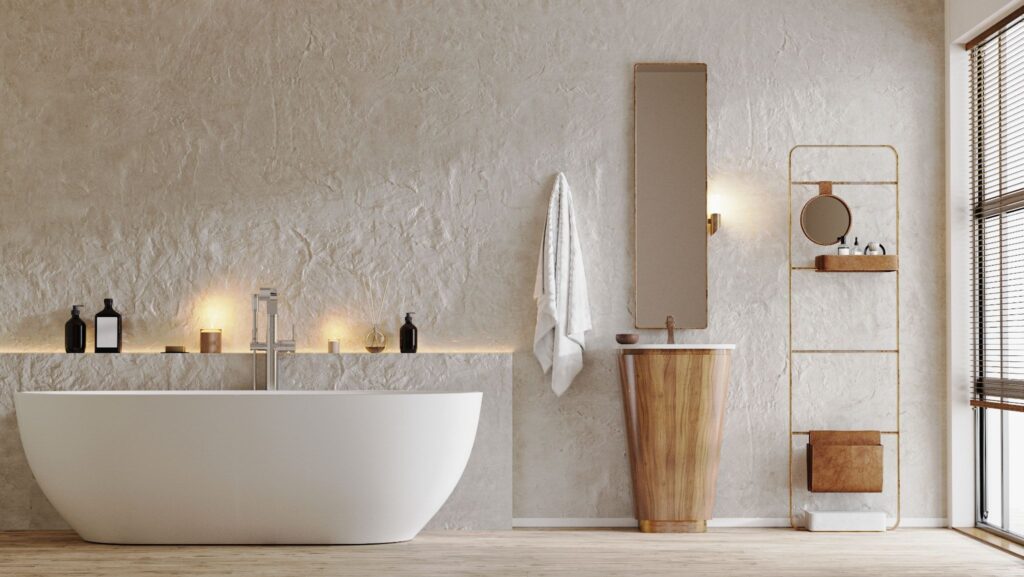
A bathroom now serves as more than a functional part of the home. Homeowners expect a space that supports comfort, efficiency, and daily routines. Design choices reflect a shift toward cleaner layouts and longer-lasting materials. Upgrades often focus on reducing maintenance while improving usability over time. These priorities come together in a well-planned modern bathroom remodel. Key Features of a Modern Bathroom Remodel A well-designed bathroom blends function, comfort, and style into one cohesive space. Modern upgrades focus on improving how the room works during daily routines. Homeowners now look for solutions that reduce clutter while adding lasting value. The following features highlight what defines a thoughtful and efficient bathroom remodel today. Smart Layout Planning Features A smart layout improves movement, usability, and comfort from the start. This layout approach focuses on placing fixtures where they support natural daily routines. Designers often follow spacing guidelines from groups like the National Kitchen and Bath Association for better results. Clear pathways and balanced placement reduce clutter and improve flow. A well-planned layout supports both current needs and future adjustments. Space Optimization in Modern Bathrooms Space optimization uses layout strategies that maximize every inch without crowding the room. This approach often includes floating vanities that open up visible floor space. Wall-mounted storage keeps items accessible while maintaining a clean look. Large mirrors reflect light, creating the illusion of a wider area. Designers also reduce bulky fixtures to maintain a balanced layout. This method works well for both compact and larger bathroom designs. Traffic Flow and Accessibility Design Traffic flow refers to how easily people move between bathroom fixtures during daily use. This design principle places sinks, toilets, and showers within comfortable reach. Wider pathways help prevent congestion during busy routines. Walk-in showers improve access while reducing safety risks. Grab bars now come in modern finishes that blend with the design. This approach supports long-term usability for homeowners at different life stages. Durable Material Selection Features Durable materials protect your space from moisture, heat, and everyday wear and tear. This material choice reduces long-term repair costs and preserves the overall design. Many projects now prioritize surfaces that resist stains and scratches. Reliable materials also support easier cleaning and maintenance. A strong material foundation helps the space stay functional and visually appealing. Quartz and Stone Countertop Options Quartz and stone countertops offer durability and a refined appearance for modern spaces. This surface choice resists moisture and daily wear without frequent sealing. Quartz provides a consistent look with minimal upkeep. Granite adds natural variation while handling heat and scratches well. Solid surface materials allow seamless designs that reduce visible joints. This selection supports both style and long-term performance. Water-Resistant Flooring Types Water-resistant flooring protects surfaces from damage caused by humidity and spills. This flooring category includes porcelain tile, luxury vinyl, and sealed natural stone. Porcelain tiles offer strong resistance and a wide range of finishes. Luxury vinyl offers comfort and mimics the textures of wood or stone. Slip-resistant surfaces improve safety in wet conditions. This flooring solution balances durability with visual appeal. Moisture Control Behind Bathroom Walls Moisture control behind bathroom walls protects the structure from hidden damage caused by humidity and leaks. Contractors install protective layers that prevent water from reaching framing or insulation. These hidden systems help prevent mold growth and long-term deterioration. A well-protected wall system supports durability and indoor air quality. Waterproof Membranes and Sealants Waterproof membranes and sealants create a barrier that stops water from penetrating wall surfaces. This system often includes sheet membranes or liquid-applied coatings behind tiles. Contractors apply these materials around showers, tubs, and wet zones. Proper sealing at joints and corners prevents leaks from forming over time. These protective layers work silently but play a critical role in durability. This method supports long-term performance without affecting visible design elements. Vapor Barriers and Insulation Protection Vapor barriers control moisture that travels through air and temperature changes. This layer sits behind walls to prevent condensation from forming inside cavities. Proper placement protects insulation and framing materials from damage. Contractors often combine vapor barriers with moisture-resistant drywall for added protection. This system helps maintain stable indoor conditions and reduces the risk of mold. This approach strengthens the overall wall structure without being visible. Proper Installation and Drainage Planning Proper installation ensures that all moisture control systems function as intended. This process includes correct slope design in wet areas to direct water toward drains. Contractors also check for gaps or weak points during installation. Even high-quality materials can fail without precise application. Regular inspections during construction help catch issues early. This attention to detail keeps the entire bathroom system reliable over time. Modern Fixture and Feature Upgrades Modern fixtures improve daily use while enhancing the overall design. This category includes faucets, showers, tubs, and toilets with updated features. Many homeowners now choose fixtures that combine style with water efficiency. Clean lines and simple finishes create a polished look. These upgrades support both comfort and resource savings. Contemporary Faucets and Shower Systems Contemporary faucets and showers focus on clean design and improved performance. This fixture style often features minimal shapes and durable finishes, such as brushed nickel. Rainfall showerheads create a more relaxing experience. Multi-function systems allow users to adjust spray patterns easily. Water-saving technology reduces consumption without affecting pressure. This combination improves both comfort and efficiency. Freestanding Tubs and Modern Toilets Freestanding tubs add a sculptural element, enhancing visual appeal. This tub style works well as a focal point in larger spaces. Modern toilets use less water while maintaining strong flushing performance. Compact designs fit smaller layouts without sacrificing comfort. Some models include advanced hygiene features for added convenience. This fixture upgrade supports both design and practicality. Integrated Sink and Vanity Designs Integrated sink-and-vanity designs create a seamless, organized look. This design combines the sink and countertop into one continuous surface. Fewer seams reduce areas where dirt and moisture can collect. Built-in storage keeps daily items hidden but accessible. Custom vanities allow homeowners to match their exact layout needs. This