Master Bedroom Ideas to Elevate Your Home
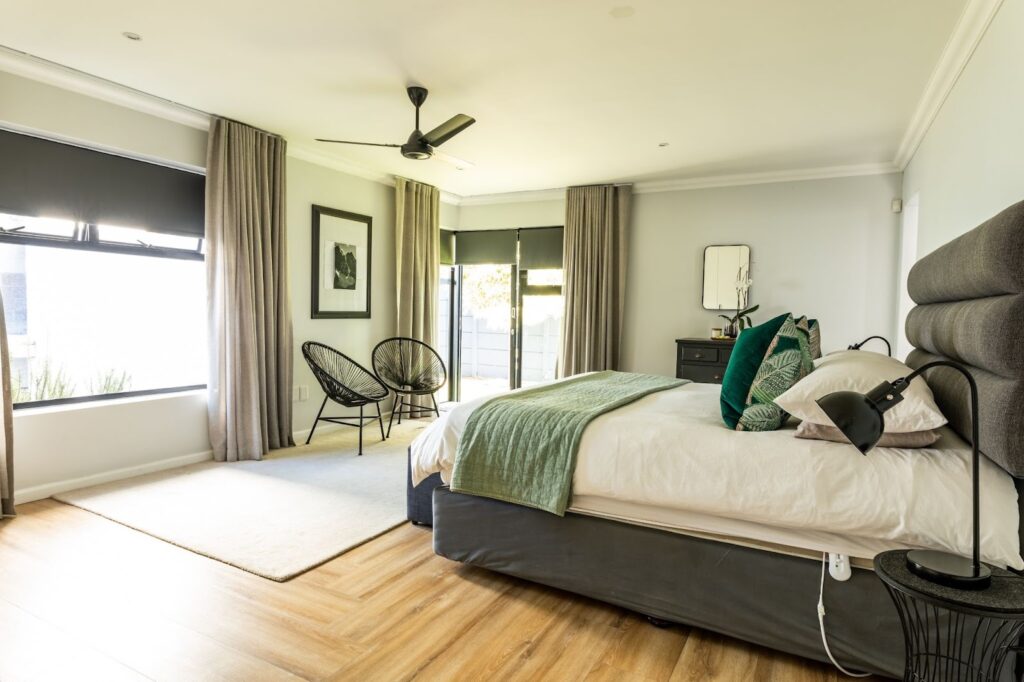
Homeowners often spend years improvingkitchens, living rooms, and outdoor spaces. Yet the master bedroom often receives less attention than other rooms. This private space should support rest, comfort, and personal style every single day. Thoughtful design choices can reshape how the room feels and functions. Fresh master bedroom ideas help homeowners build a retreat that reflects their lifestyle. Smart Master Bedroom Ideas for Better Living Master bedroom ideas should improve how the space feels and functions every day. Many homeowners focus on decoration but overlook planning and comfort. A thoughtful design approach looks at layout, lighting, materials, and daily habits together. These practical ideas show homeowners how to create a bedroom that supports relaxation, organization, and personal style. Thoughtful Bedroom Layout That Improves Flow A well-planned bedroom layout enhances comfort, ease of movement, and visual balance. Furniture placement influences how easily people move around the room each day. A thoughtful layout also prevents crowded corners and awkward walking paths. These layout strategies help homeowners create a bedroom that feels calm and functional. Bed Placement That Anchors the Room Bed placement usually forms the visual center of a bedroom layout. Designers often recommend placing the bed against the longest wall to stabilize the room visually. This placement strategy creates balanced space for nightstands and lighting on both sides. Many homeowners also prefer a clear view of the windows or the doorway. This orientation choice helps the room feel open and welcoming. A centered bed position often improves circulation around the room. Creating Functional Bedroom Zones Functional zones divide the bedroom into areas that support different daily activities. Larger rooms often include sleeping, dressing, and relaxation areas. A comfortable chair near a window can form a quiet reading corner. A bench at the foot of the bed provides seating during dressing routines. This zoning approach helps homeowners use space efficiently without overcrowding the layout. Interior designers often recommend subtle zoning to keep the room organized and purposeful. Balanced Furniture Proportions Balanced furniture proportions keep the bedroom visually comfortable and easy to navigate. Oversized furniture can dominate smaller rooms and restrict walking space. Smaller pieces sometimes appear scattered inside very wide rooms. Homeowners should measure room dimensions before selecting major furniture pieces. This measurement step prevents layout problems during installation. Proper spacing between furniture also improves comfort and movement. Harmonious Color Palettes for a Restful Bedroom Bedroom color palettes influence mood, comfort, and visual harmony in the space. Calm tones often support relaxation after long and demanding days. Strong color contrasts may energize the room, but sometimes disrupt a peaceful atmosphere. These color strategies help homeowners build a bedroom that feels balanced and restful. Neutral Palettes That Feel Warm Neutral palettes provide a calm visual foundation for bedroom interiors. Warm gray, beige, and soft white tones create a relaxing backdrop for furniture and décor. These shades also gently reflect natural light. Many interior designers recommend neutral walls because they adapt to different decorating styles. This color approach allows homeowners to easily change bedding and accessories. The bedroom maintains a fresh appearance without frequent repainting. Accent Colors That Add Depth Accent colors introduce personality while maintaining visual balance. Designers often add color through pillows, throws, or artwork. Deep blue, muted green, and soft clay tones complement neutral palettes effectively. These accents create contrast without overwhelming the room. Repeating the same accent tone across several objects strengthens design consistency. This repetition strategy helps the bedroom feel cohesive and intentional. Coordinated Color Schemes Coordinated color schemes connect walls, fabrics, and decorative objects into one visual theme. Many homeowners begin planning with bedding or a favorite textile pattern. Designers then repeat those colors through rugs, curtains, or cushions. This coordination process prevents the room from feeling random. Color research organizations, such as Pantone, highlight the emotional impact of balanced palettes. A coordinated palette often creates a calmer and more unified bedroom environment. Practical Furniture Selections That Improve Comfort Bedroom furniture determines how the room functions during daily routines. Each furniture piece should support comfort while maintaining visual harmony. Thoughtful furniture selection also prevents overcrowding and clutter. These furniture choices help homeowners create a welcoming, practical sleeping environment. Choosing the Right Bed Frame The bed frame establishes the visual tone of the bedroom. Upholstered frames often introduce softness and comfort to the sleeping area. Wooden frames add warmth and natural texture to the room. Metal frames provide a lighter appearance that suits modern interiors. Homeowners should evaluate frame height and width before purchasing. This sizing decision helps the bed fit the room proportionally. Headboards That Add Character Headboards add visual structure behind the bed while enhancing comfort. Tall upholstered headboards create a supportive surface for reading. Wooden panel designs introduce texture and warmth into the space. Many homeowners choose padded designs because they soften the overall appearance. This design feature also strengthens the bed’s visual presence in the room. A well-chosen headboard helps the bedroom feel complete. Nightstands That Support Daily Use Nightstands provide convenient storage beside the bed. Homeowners often store books, glasses, and lamps on these surfaces. Drawers help hide smaller items that might otherwise create clutter. The nightstand height should align closely with the mattress height. Matching nightstands can create visual symmetry around the bed. This balanced arrangement keeps the room organized and practical. Seating Options for Added Comfort Bedroom seating creates a place for quiet moments outside of sleeping hours. A soft chair near a window can support reading or relaxation. Benches at the foot of the bed offer seating during dressing routines. This seating addition also introduces variety into the furniture layout. Many homeowners prefer upholstered chairs for additional comfort. A small seating area makes the bedroom feel more welcoming throughout the day. Strategic Lighting Techniques That Shape Atmosphere Lighting influences how the bedroom feels during both day and evening hours. Many rooms rely too heavily on one overhead light source. A layered lighting approach provides flexibility for different activities. These lighting techniques help homeowners maintain a relaxing bedroom environment. Layered Lighting