Top Fence Design Trends
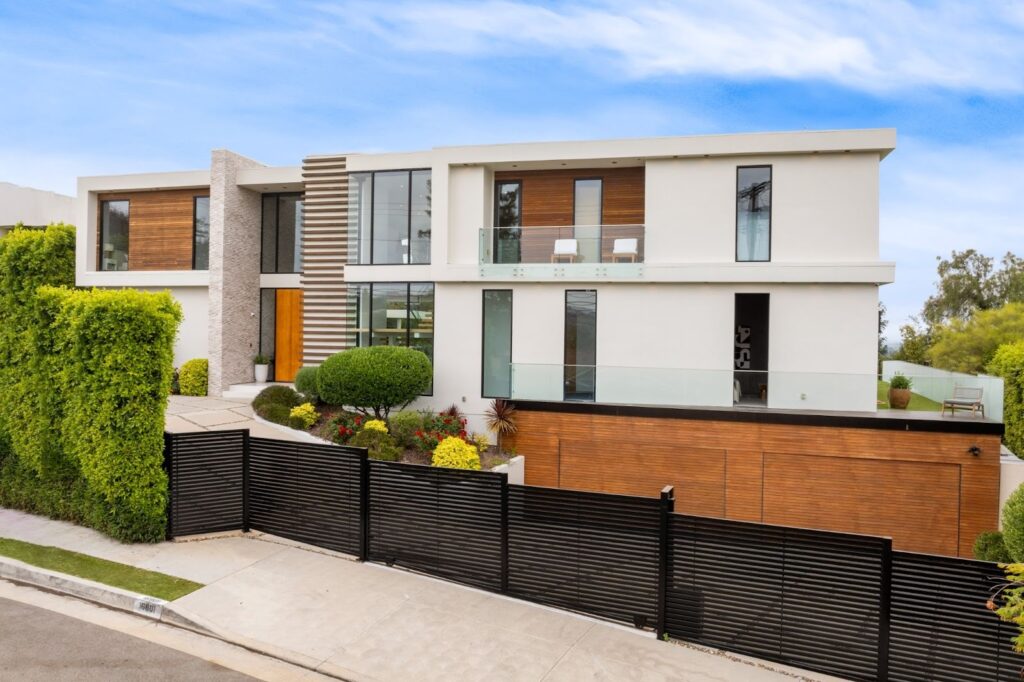
Homeowners often notice their yard feels incomplete before they notice the fence itself. A thoughtful fence design frames the property and defines outdoor living areas. Modern fencing also influences privacy, safety, and the home’s overall character. Today’s homeowners want fences that balance durability, style, and practical performance. Smart fence design decisions often turn a simple boundary into a feature that supports comfort and long-term property value. Modern Fence Design Ideas for Homeowners Homeowners often look for fence design ideas when updating outdoor spaces or improving privacy. A well-planned fence should support security, appearance, and long-term durability. Modern residential fencing now reflects architectural style and everyday lifestyle needs. Several current design trends explain how homeowners shape fences that work both visually and practically. Modern Priorities for Residential Fencing Modern residential fencing focuses on privacy, visual balance, and compatibility with the home’s architecture. Homeowners now expect fencing to complement outdoor living spaces rather than mark boundaries. This design approach considers airflow, sightlines, and proportional height around the yard. These priorities guide many current residential fence installations and renovations. Privacy Without a Closed-Off Yard A privacy-focused fence blocks outside views while maintaining light and airflow. Many homeowners now avoid solid walls that make outdoor areas feel confined. Designers often install horizontal boards with narrow spacing that softens the barrier effect. This spacing technique protects privacy while allowing sunlight to filter through the fence. Staggered panels reduce the heavy appearance common in older privacy fences. Modern residential projects often use layered board layouts to create depth while maintaining comfortable outdoor visibility. Clean Lines and Minimalist Fence Styles Minimalist fencing emphasizes simple geometry and clean visual flow. Many modern homes benefit from horizontal board layouts that stretch across the landscape. This layout style draws attention to the yard’s width rather than its height. Flat-top profiles also maintain a calm and balanced appearance along property lines. Concealed fasteners help maintain the fence’s streamlined appearance. These refined details allow the fence structure to complement contemporary architecture without distracting from the home itself. Balanced Fence Height and Proportion Fence height planning balances privacy needs with visual harmony around the property. Many homeowners choose taller fences for backyard privacy and shorter fences near the front yard. This height variation keeps the home visible from the street while protecting personal outdoor areas. Additionally, proportional fence height prevents structures from overwhelming landscaping features. Designers often align fence height with nearby patios, decks, or retaining walls. This proportional layout creates a more unified outdoor environment. Materials Shaping Modern Fence Styles Fence materials shape durability, maintenance needs, and visual character across residential properties. Homeowners now consider long-term performance as carefully as appearance. This material selection process often combines traditional lumber with newer engineered products. These options allow homeowners to customize fencing style without sacrificing durability. Natural Wood With Contemporary Finishes Wood fencing remains popular because natural materials blend well with residential landscapes. Cedar and redwood attract homeowners because they resist moisture and insect damage. Many homeowners now prefer darker stains that highlight wood grain patterns. This finish choice produces a refined look that pairs well with modern homes. Varied board widths add texture and depth across long fence sections. Many contractors recommend protective sealants in accordance with construction industry guidelines from organizations such as the American Wood Council. Metal and Steel Accents for Fencing Metal fencing elements add durability and visual contrast to residential boundaries. Powder-coated aluminum panels are often used alongside wood or composite boards. This combination introduces modern texture without overwhelming the landscape. Black steel posts have become popular because they support strength with a lighter profile. Metal components resist moisture, corrosion, and insect damage. Many professional installers recommend aluminum framing because it requires little maintenance over time. Composite and Engineered Fence Materials Composite fencing uses engineered boards made from recycled plastics and wood fibers. Many homeowners appreciate composite materials because they resist rot and moisture damage. This engineered material requires far less staining or sealing than traditional lumber. Composite boards also come in colors that resemble cedar or walnut finishes. Many manufacturers design these products for long-term outdoor durability. Industry reports from the North American Deck and Railing Association indicate steady growth in demand for composite fencing. Decorative Features That Add Character Decorative fencing elements add visual interest while maintaining privacy and security around residential properties. Many homeowners now treat fences as part of the overall landscape design. This design approach introduces texture, lighting, and artistic detail along property lines. These decorative features often increase curb appeal while supporting practical fencing needs. Mixed-Material Fence Styles Mixed-material fencing combines different textures to create visual variety. Wood boards may appear between metal posts or stone columns. This layered structure adds architectural depth across large fence sections. Mixed materials allow homeowners to match exterior home details. For example, steel accents may match the finishes of railings or window frames. This coordinated layout produces a cohesive outdoor environment that feels thoughtfully planned. Decorative Panels and Laser-Cut Inserts Decorative fence panels introduce artistic detail within standard fence layouts. Laser-cut aluminum inserts often display geometric or botanical patterns. This panel feature maintains privacy while adding visual character to the fence. Many homeowners install decorative panels near entry gates or patio seating areas. Patterned inserts break up long stretches of fence that appear plain. Durable aluminum panels resist corrosion and maintain their appearance for many years. Integrated Lighting in Fence Structures Integrated lighting improves safety and nighttime visibility around residential fencing. Small fixtures often sit beneath top rails or along fence posts. This lighting placement illuminates pathways, patios, and gate entrances after sunset. Subtle lighting highlights the fence’s structure. Many homeowners connect fence lighting with broader landscape lighting systems. This coordinated lighting plan improves both security and evening curb appeal. Functional Features for Everyday Living Functional fencing addresses everyday needs such as security, noise control, and family safety. Many homeowners now look for fences that support modern lifestyles. This functional planning approach combines convenience with visual appeal. These practical features have become common in new residential
The Best Master Bedroom Ideas for Maximizing Small Spaces

Small primary bedrooms can feel more cramped than cozy if the layout and design are not working in your favor. The good news is that smart master bedroom ideas do not rely on having a large footprint; they rely on thoughtful choices about furniture, storage, color, and light. When every inch is planned with intention, a compact master can feel restful instead of cluttered, and inviting instead of overstuffed. The goal is to turn the room into a retreat that supports sleep and relaxation without wasting any of the limited square footage. With the right strategies, a small space can feel surprisingly open, functional, and tailored to the way you actually live. How Master Bedroom Ideas Start With Smart Layout and Flow Before you buy new furniture or paint a wall, the most crucial step is getting the layout right. In a small room, the bed usually needs to be the anchor, and placing it on the longest uninterrupted wall often creates the best sense of balance. From there, you want to maintain clear walking paths around the bed so you are not constantly bumping into corners or squeezing past dressers. Nightstands, dressers, and chairs should be scaled to the room, not just chosen because they look good in a showroom. By treating the layout like a puzzle and making sure every piece has a logical place, you create a foundation that makes all other design decisions easier. Master Bedroom Ideas That Make a Small Room Feel Bigger Some of the most effective master bedroom ideas for small spaces are visual tricks that boost the feeling of openness. Light, cohesive wall colors help the edges of the room recede, while low-contrast furniture blends in instead of breaking up the space. Hanging curtains higher than the top of the window draws the eye upward, making the room feel taller, and a few large art pieces usually look calmer than lots of tiny frames. Mirrors placed opposite windows or on closet doors can bounce light around and create the illusion of depth. These choices do not actually add square footage, but they transform how the room feels when you step inside. Vertical Lines To Add Height Taller headboards, vertical artwork, or paneling that draws the eye up can make ceilings feel higher. This simple change shifts attention away from the limited floor area. Choosing Light, Low-Contrast Palettes Keeping walls, bedding, and furniture in similar tones avoids harsh visual breaks. That softness helps the room read as one cohesive space instead of a collection of separate pieces. Multi-Functional Furniture Master Bedroom Ideas In a compact retreat, furniture needs to earn its footprint. Multi-functional pieces are some of the most practical master bedroom ideas because they combine storage and comfort in one. Beds with drawers underneath or lift-up platforms provide space for off-season clothing or extra linens without the need for a bulky chest. Nightstands with shelves or cabinets can stand in for small dressers, and storage benches at the foot of the bed add seating plus hidden organization. When every major piece offers an extra benefit, you reduce the number of items needed in the room, which immediately makes it feel more open and organized. Lighting, Color, and Texture Balance and Their Impact on Master Bedroom Ideas Lighting and color work together to define the mood of a small master, so they deserve just as much attention as furniture. A mix of ambient, task, and accent lighting keeps the room feeling bright and flexible without relying on a single harsh overhead fixture. Soft, layered textiles—like rugs, throws, and pillows—add warmth and comfort without taking up more physical space. A simple, limited color palette creates calm and helps different elements feel connected rather than competing. When you repeat a few tones in bedding, curtains, and decor, the eye moves through the room more smoothly, which naturally makes it feel larger and more serene. Layering Lighting for Flexibility Wall sconces, bedside lamps, and gentle overhead lighting let you adjust the mood as needed. Being able to dim or switch sources makes the room feel both functional and relaxing. Adding Texture Instead of Clutter Quilts, knit throws, and natural fibers bring visual interest without adding extra furniture. Texture keeps a simple color palette from feeling flat while maintaining a clean look. Master Bedroom Ideas That Keep Clutter Out of Sight Clutter is one of the quickest ways to make a small bedroom feel even smaller, so storage is as important as style. Closed storage—like drawers, baskets, and cabinets—hides everyday items and keeps surfaces free for only what you actually want to see. Built-in closets with double hanging rods, shelves, and organizers squeeze maximum utility out of limited square footage. Even small changes, such as using matching bins under the bed or inside the closet, make the space feel more intentional. When everything has a home, it becomes easier to put things away and maintain that feeling of calm you are trying to create in the room. Master Bedroom Ideas That Turn a Small Room Into a True Retreat Ultimately, the best master bedroom ideas are the ones that leave you feeling rested and grounded when you walk in. That might mean adding a small reading corner with a compact chair and lamp, or simply making sure your favorite artwork is visible from the bed. Personal touches like photos, keepsakes, or a favorite fragrance help the room feel like your space, not a generic showroom. The key is to layer those details thoughtfully so they enhance the room rather than overwhelm it. When comfort, function, and personality are all working together, even the smallest master bedroom can feel like a well-designed retreat you look forward to ending your day in. Whether it is the headboard, a piece of art, or a window view, choosing a single focal point keeps the design from feeling busy. This focus draws attention away from the room’s size. A tidy nightstand with just the items you use every evening and morning
Small Home Renovations That Make a Big Impact

One of the simplest ways to transform a room is by improving its lighting. Swapping out old fixtures, adding dimmers, or incorporating layered lighting can instantly change the feel of a space. Whether you’re creating ambiance with pendant lights in the kitchen or adding task lighting in the bathroom, these changes improve both functionality and design. Small lighting updates as part of your home renovations can also help reduce energy usage with LED options. Lighting serves as both form and function, elevating mood and enhancing home value. How Entryway Touches Add Impact to Home Renovations The entryway is the first impression of your home, and small changes here can make a significant difference. Updating doors, adding storage benches, or incorporating statement rugs makes the space feel more intentional and cohesive. Many home renovations focus on large interior areas, but the entry sets the tone for what’s inside. A functional entry reduces clutter while adding charm and curb appeal. It’s an affordable update that creates a lasting impact. Why Kitchens Benefit Most From Minor Home Renovations Enhanced Usability and Value Kitchens are the heart of most homes, and even minor updates can greatly improve how the space functions and feels. Small changes like upgraded fixtures or smarter layouts can make everyday cooking easier and more enjoyable. Targeted Upgrades With Big Returns Replacing cabinet hardware, adding a new backsplash, or upgrading countertops can dramatically refresh the look. These focused changes often deliver high resale value without the expense of a full remodel. Less Disruption, More Cost Efficiency Instead of a total overhaul, minor home renovations in the kitchen provide a faster and more affordable path to improvement. These smaller projects are easier to schedule, less intrusive, and still leave the kitchen feeling fresh and modern. Style and Practicality Combined A freshly updated kitchen doesn’t just look better—it also functions better. Combining improved usability with a modern aesthetic creates a space that adds comfort, value, and appeal to the entire home. Clever Storage Solutions as Part of Your Home Renovations Plan Maximizing storage without expanding square footage is a smart goal. Built-in shelves, under-stair drawers, or hidden compartments can help you make the most of your existing space. Home renovations focused on storage can significantly reduce clutter and improve organization. These updates are particularly impactful in small homes where space is at a premium. The result is a cleaner, more functional environment. Bathroom Refresh Ideas That Deliver Big Home Renovations Value Bathrooms may be small, but they offer big potential for improvement. Replacing outdated fixtures, retiling the floor, or installing a new vanity can transform the space. Even simple swaps, such as mirror upgrades or improved ventilation, add comfort and appeal. Home renovations in the bathroom tend to offer high ROI when selling a home. Plus, these updates enhance daily routines with added convenience and style. A Fresh Coat of Paint Is Still One of the Smartest Home Renovations Paint is one of the most affordable and impactful updates you can make. A new color scheme can modernize your interior and even make rooms feel larger. Neutral tones work well for resale, while bold accents allow for personality. Home renovations often begin with paint because it offers an immediate transformation. It’s also easy to change as trends evolve. Flooring Upgrades That Elevate Your Home Renovations Goals Flooring has a strong visual and physical presence, and upgrading it can significantly enhance your home’s appearance: luxury vinyl plank, engineered hardwood, or even polished concrete offer modern aesthetics and durability. As part of strategic home renovations, new flooring creates cohesion across rooms. It also enhances comfort, particularly in colder regions with heated flooring. Updated floors can tie together the entire look of your interior. Improving Energy Efficiency Through Targeted Home Renovations Smaller home renovations can significantly reduce your energy bills. Swapping in energy-efficient windows, sealing gaps, or adding insulation all make a difference. These changes are often eligible for rebates or tax credits, making them even more cost-effective. Beyond savings, you’ll increase comfort and environmental sustainability. Efficient homes are also more appealing to future buyers. Bringing the Indoors Out: Exterior Spaces Worth the Home Renovations Patios, decks, and outdoor kitchens are becoming extensions of indoor living. You don’t need a massive budget to create cozy, functional spaces outdoors. Home renovations in these areas may include installing string lights, adding pavers, or refreshing landscaping. These updates enhance curb appeal and create new areas for relaxation or entertaining. A well-designed outdoor space increases overall livability. Incorporating Smart Tech Into Everyday Home Renovations Quick Upgrades Without Major Remodels Smart technology can be added without tearing up your home. Devices like thermostats, lighting systems, and security cameras can be installed in just a few hours. Convenience Meets Energy Savings Integrating smart tech adds daily convenience while also cutting energy costs. Automated systems manage usage more efficiently, reducing bills over time. Future-Proofing Your Home Home renovations that include technology appeal to younger buyers and make your space more competitive in the market. These updates keep your home modern and adaptable. Customization for Daily Living Smart devices enable you to personalize your interaction with your home. From setting moods to regulating temperature, technology enhances flexibility and comfort in everyday routines. Designing for Wellness: Comfort-Focused Home Renovations Health and wellness have become priorities in home design. Small updates, such as improved air filtration, non-toxic materials, and circadian lighting, can promote overall well-being. Home renovations geared toward wellness also include spa-like bathrooms or meditation nooks. These changes encourage relaxation and rejuvenation in your living space. A well-designed home supports both physical and mental health. Add Personality With Finishes That Redefine Home Renovations Even small decorative changes can dramatically affect your home’s personality. Updated doorknobs, custom trim, or bold tile choices can bring a room to life. These details are often overlooked in major remodels but shine in small-scale projects. Home renovations that focus on finishes offer creative expression and style. These touches make your home feel uniquely yours. Modernizing Older Properties Through Subtle
Top Bathroom Remodeling Trends to Watch in 2025

As homeowners continue to prioritize wellness, functionality, and sustainability, bathroom remodeling is evolving in exciting new directions. In 2025, expect trends that blend personal comfort with high-tech convenience, all while creating elegant, spa-like spaces. Whether you’re upgrading a small guest bath or planning a luxury master suite transformation, these remodeling trends will shape the way we design and experience our bathrooms. This guide examines the latest trends in design, materials, technology, and overall bathroom aesthetics that are shaping the home renovation landscape. Smart Technology Leads the Way in Bathroom Remodeling The rise of smart home technology increasingly influences bathroom remodeling. In 2025, homeowners are incorporating voice-activated lighting, app-controlled showers, and mirrors with built-in digital displays. These innovations not only add convenience but also improve energy efficiency and safety. Touchless fixtures, heated floors, and customizable settings are expected to become more mainstream. This shift toward intelligent design makes the bathroom more personalized and responsive to user needs. Eco-Conscious Bathroom Remodeling Is a Priority Sustainability remains a key focus in bathroom remodeling efforts. In 2025, an increasing number of homeowners are opting for water-saving fixtures, recycled materials, and energy-efficient lighting systems. Designers are favoring reclaimed wood vanities and low-VOC paints that support cleaner indoor air. Green building certifications and eco-conscious planning are becoming standard in luxury and mid-range remodels. These eco-friendly decisions not only support the environment but also reduce long-term operating costs. Spa-Inspired Bathroom Remodeling Is Redefining Relaxation Homeowners are reimagining their bathrooms as wellness retreats through spa-inspired remodeling. Features like rainfall showers, freestanding tubs, and ambient lighting are popular choices for stress relief. Materials such as natural stone and warm wood tones promote a sense of calm and serenity. Aromatherapy diffusers and built-in sound systems are being added to enhance sensory relaxation. This trend focuses on mental health and self-care through thoughtful, therapeutic design. Natural Materials Dominate Bathroom Remodeling Aesthetics A renewed interest in earthy, tactile materials is influencing bathroom remodeling aesthetics in 2025. Design trends now include stone vessel sinks, textured tiles, and matte finishes that reflect organic beauty. Natural color palettes and imperfect textures create a grounded, inviting atmosphere. These elements bring visual warmth and contrast to cold porcelain and chrome. Incorporating nature-inspired materials also supports sustainable design principles. Open-Concept Layouts Are Changing Bathroom Remodeling Design Bathroom remodeling is embracing more open and flowing layouts that feel expansive and modern. Frameless glass showers and wall-mounted vanities are being used to eliminate visual barriers. Some master bathrooms are being integrated into bedroom or dressing areas using seamless transitions. Privacy is preserved through clever spatial planning and frosted glass partitions. This approach emphasizes fluid movement and a less compartmentalized experience. Bathroom Remodeling Features Universal Design and Accessibility Universal design is becoming a mainstream feature in bathroom remodeling across generations. Features like curbless showers, comfort-height toilets, and wide doorways are now seen as stylish and inclusive. These elements promote safety while maintaining a visually sleek and modern appearance. Homeowners are planning with aging in place in mind, even in homes for younger families. This foresight adds long-term value and future-proofs the space. Bold Colors Are Making a Comeback in Bathroom Remodeling Navy Makes a Strong Statement Dark blue tones bring depth and sophistication, especially when paired with gold or brass hardware. Emerald Green Adds Luxury This rich shade evokes a spa-like calm and works beautifully with wood or marble. Rust Introduces Earthy Warmth Terracotta and rust tones create a grounded, organic feel while still standing out. Matte Black Offers Modern Contrast Used for vanities, fixtures, or tile, black anchors the room and breaks up lighter tones. Accent Tiles and Backsplashes Pop Strategic placement of colorful tiles allows homeowners to express style without overwhelming the space. Bathroom Remodeling Is Elevating Lighting Design Lighting design is taking center stage in bathroom remodeling with layered and dynamic setups. Task lighting, ambient glows, and decorative fixtures are being used in combination for a curated feel. LED mirrors, under-vanity lights, and pendant fixtures offer both style and function. Dimmable controls and motion sensors enhance convenience and mood control. Strategic lighting also makes small bathrooms feel larger and more inviting. Bathroom Remodeling Embraces Statement Fixtures and Hardware Bathroom remodeling trends now favor hardware and fixtures that make a visual impact. Waterfall faucets, sculptural tubs, and oversized sinks are focal points in modern bathroom designs. Matte finishes in gold, bronze, or black add a sense of luxury and distinction. These statement pieces elevate the bathroom from utilitarian to designer-level. Swapping out basic elements for bold ones can refresh the entire space with minimal effort. Storage Solutions Are Smarter in Bathroom Remodeling Projects Efficient storage solutions are a top priority in modern bathroom remodeling. Floating vanities with hidden drawers and tall linen cabinets keep clutter at bay. Recessed shelves and custom organizers offer clean lines and optimized space. Built-in electrical outlets inside drawers accommodate grooming tools and reduce counter mess. These storage updates improve both form and function in daily use. Texture Play Is a Standout Bathroom Remodeling Trend Texture is adding depth and sophistication to bathroom remodeling aesthetics in 2025. Designers are layering matte and glossy surfaces, smooth and rough finishes, and soft textiles for visual intrigue. Ribbed tile, plaster walls, and mixed metal accents create rich, tactile environments. These choices work well in both minimalist and maximalist settings. Playing with texture offers a new dimension of customization in bathroom design. Floating Elements Are Defining Bathroom Remodeling Layouts Floating elements continue to dominate bathroom remodeling for their sleek appearance and practical benefits. Wall-mounted toilets and vanities free up floor space and make cleaning easier. They also contribute to a modern, airy look that suits various design styles. Floating storage and lighting fixtures further extend this trend. The result is a bathroom that feels lighter, larger, and more organized. Multi-Functional Zones in Bathroom Remodeling Layouts Dual-Sink Vanities Improve Shared Spaces Adding dual sinks allows two people to get ready simultaneously, reducing congestion and making mornings smoother. Shower-and-Tub Combos Maximize Function Combining bathing options in one space offers flexibility
The Benefits of Adding an Accessory Dwelling Unit to Your Property

Adding an accessory dwelling unit gives a property the kind of flexibility most homeowners wish they had years earlier. Whether it’s a detached backyard cottage, a garage conversion, or a basement apartment, the space adapts to evolving needs without forcing a move. It can welcome a returning college graduate, support aging parents with dignity, or carve out a quiet home office that maintains a healthy balance between work and life. Because an accessory dwelling unit is self-contained, it offers privacy for both households while still keeping loved ones close—an everyday convenience that quickly becomes indispensable. Rental Income Potential From an Accessory Dwelling Unit A thoughtfully planned accessory dwelling unit can generate dependable income that offsets mortgage, taxes, and maintenance costs. Long-term tenants bring stability, while mid-term or traveling professional rentals can command premium rates in some markets. Even if you never plan to rent year-round, the option to do so gives your financial plan a cushion when life throws a curveball. Lenders and appraisers increasingly understand the value of rentable square footage, which can strengthen refinancing opportunities and improve the property’s overall financial profile. Long-Term vs. Short-Term Choose the model that aligns with your local rules and your appetite for turnover. Vacancy Planning Maintain reserves for gaps between tenants to ensure a predictable cash flow. Accessory Dwelling Units Make Multigenerational Easier Families use an accessory dwelling unit to balance independence and togetherness. Parents can downsize into a single-level suite while adult children steward the main home; grandparents can live nearby to support childcare; or caregivers can stay on-site without sacrificing rest. The arrangement reduces the need for commuting between households and simplifies shared responsibilities, such as meals, errands, and appointments. The ability to care for family in place—without stairs, long drives, or institutional settings—turns a property into a resilient hub for every life stage. How Accessory Dwelling Unit Uplift Property Value and Marketability Buyers notice homes that work harder, and an accessory dwelling unit is a standout feature that widens the buyer pool. Investors see potential income; multigenerational families see immediate utility; remote workers see a sanctuary for focus. Because the unit is permitted and professionally built, the added livable area and function typically translate into stronger appraisals and quicker sales. Clear documentation—drawings, permits, warranties—further boosts confidence when it’s time to list. Appraisal Nuance Provide lease comps and expense estimates so value isn’t left on the table. Permitted Equals Premium Unpermitted spaces can depress value; do it right and lock in returns. Zoning, Codes, and Permits for an Accessory Dwelling Unit Every jurisdiction has its own guardrails, so a feasibility check is the first step. Minimum lot sizes, height limits, setbacks, parking requirements, and owner-occupancy rules often shape what’s possible. Fire, life-safety, egress, and energy codes will influence layout, windows, insulation, and mechanical choices. A good designer or contractor helps you tailor the plan to local standards, ensuring that approvals move smoothly. When the paperwork is aligned from the start, construction tends to follow a cleaner, faster path. Pre-Application Meetings Early conversations with planning staff can head off costly redraws. Neighbor Relations A quick courtesy note and precise site logistics reduce friction during build. ALT TEXT: A modern backyard with an accessory dwelling unit and patio furniture. Design Moves That Make an Accessory Dwelling Unit Live Larger Compact doesn’t have to feel cramped. Prioritize tall ceilings where possible, generous windows for daylight, and a continuous floor finish that stretches sightlines. Pocket or barn doors reclaim floor area, while built-in benches, wall beds, and deep drawers transform every inch into useful storage. Keep the palette calm and cohesive so the eye reads the room as a single, airy volume. A small footprint with grand proportions and clever storage lives far bigger than its square footage suggests. Light and Privacy Use clerestories, frosted glass, and layered shades to keep spaces bright yet discreet. Outdoor Rooms A small patio, deck, or stoop extends living space and invites fresh air. Sustainability Advantages of an Accessory Dwelling Unit An accessory dwelling unit can reduce environmental impact by promoting low-density development in existing neighborhoods. Instead of building on new land far from transit and services, you add efficient housing where infrastructure already exists. Smaller interiors require less energy to heat, cool, and light, and they naturally encourage occupants to adopt thoughtful consumption habits. With high-performance windows, heat-pump systems, and LED lighting, you can achieve quiet comfort with lower utility costs. Over time, this light footprint pays dividends for both the planet and your monthly bills. Accessory Dwelling Unit Offer Improved Accessibility A single-level accessory dwelling unit can be planned with zero-threshold entries, wide doors, and curbless showers that simplify daily routines for people of all ages. Rocker switches, lever handles, and well-placed blocking for grab bars make the space future-ready without advertising “institutional.” Good lighting, slip-resistant flooring, and clear circulation paths combine safety with dignity, allowing relatives to remain close to their family and community while maintaining autonomy. Quiet Mechanical Systems Low-sone fans and heat pumps reduce fatigue and support better sleep. Smart-Home Aids Keyless entry and voice-controlled lighting make life easier for everyone. Preparing for an Accessory Dwelling Unit with Cost Planning, and Budgeting Budget discipline begins with scope clarity. Site prep, utilities, and foundation work often drive costs as much as finishes, so get those numbers early. Some owners finance their projects with home-equity lines, cash-out refinances, or construction loans; others phase the project, starting with a shell and finishing the interiors later. Plan for contingencies, professional design, permit fees, and inspection schedules. When you pair a realistic budget with rental income projections and conservative vacancy assumptions, the investment case becomes easier to evaluate—and easier to explain to lenders. Prefab, Modular, or Site-Built Accessory Dwelling Unit Owners have options beyond traditional stick-built construction. Modular or panelized systems can compress timelines and reduce neighborhood disruption, while site-built units offer unlimited customization to match the main home. The right choice depends on design goals, access for cranes or deliveries, and local contractor networks. In every