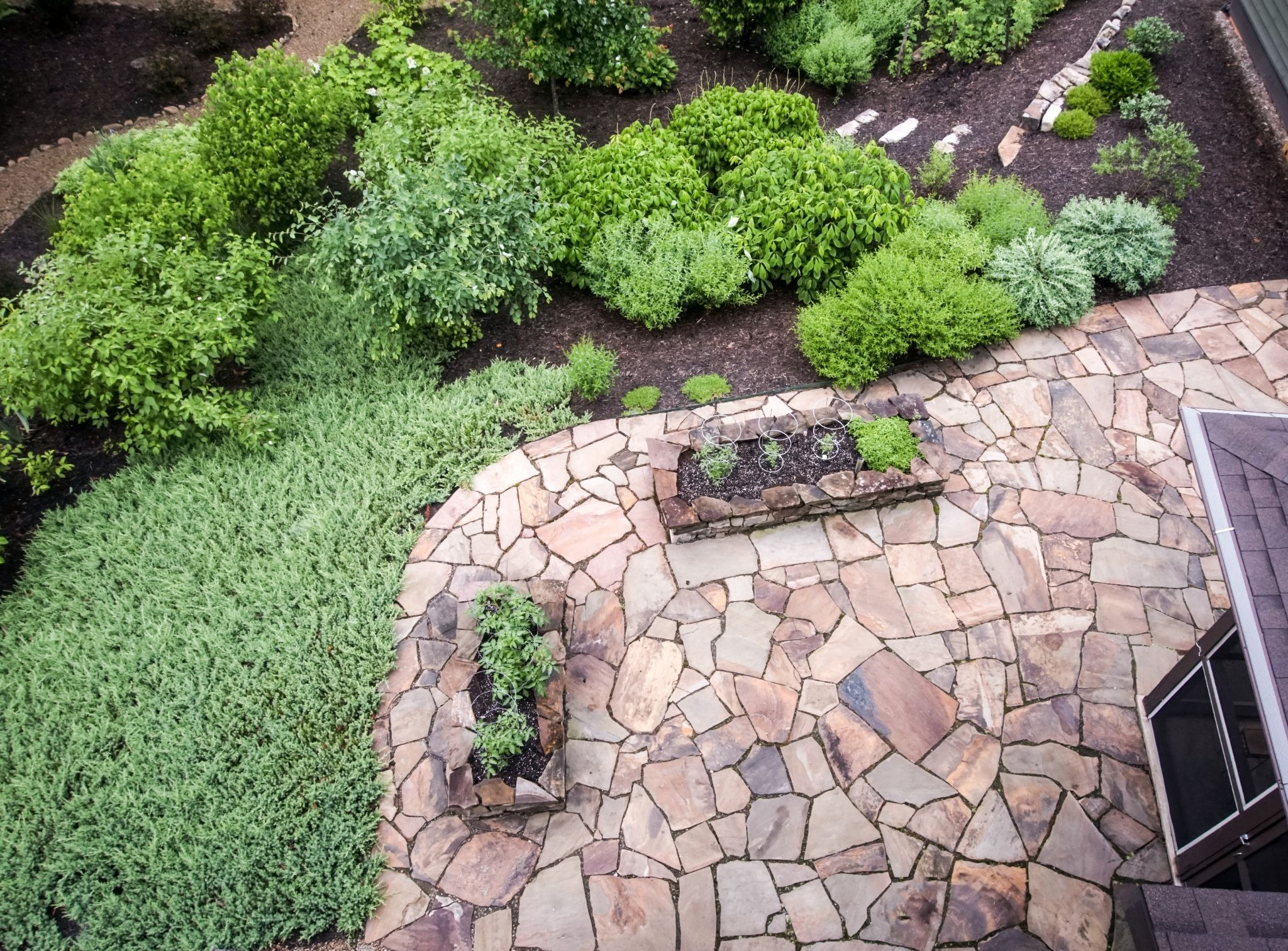
Homeowners often notice their outdoor space feels disconnected from daily living. A bare patio rarely invites people to relax or gather comfortably. Thoughtful outdoor design reshapes that space into something practical and visually appealing. It blends hard surfaces, greenery, and features into a unified outdoor setting. Careful planning turns a simple patio into a place people actually use.
Patio Landscaping Basics for Homeowners
Patio landscaping is the design of outdoor spaces that combine structure and plant life in a cohesive layout. It answers how a patio should look, function, and feel during everyday use. This approach focuses on layout, materials, and greenery working together. Homeowners who understand these basics make better long-term design choices.
What Patio Landscaping Means
Patio landscaping means organizing outdoor surfaces, plants, and features into a usable living space. It includes hardscape elements such as pavers, seating areas, and walkways that define the structure. It also involves softscape elements such as plants, shrubs, and decorative greenery that soften edges. This combination creates balance between function and appearance in a backyard setting. Homeowners use this approach to support activities like dining, relaxing, and entertaining guests. A well-designed patio landscaping plan connects indoor comfort with outdoor usability.
How Patio Design Affects Use
Patio design shapes how often homeowners use their outdoor space and how comfortable it feels. A shaded seating area reduces heat exposure and encourages longer use during warmer months. Similarly, open layouts improve movement and prevent the space from feeling crowded. This layout design helps separate zones for dining, relaxing, and socializing without confusion. Thoughtful plant placement adds privacy without blocking airflow or light. Over time, this design approach improves both enjoyment and property appeal.
Smart Patio Landscaping for Modern Homes
Outdoor spaces often fall short when design lacks direction and purpose. A patio should support daily routines while offering a place to unwind. Many homeowners struggle to balance comfort, functionality, and visual appeal in a single space. Clear planning and thoughtful choices help avoid wasted space and missed opportunities. The right approach helps homeowners create a patio that works and feels complete.
Plan a Functional Outdoor Patio Layout
Planning a patio landscape means aligning layout, space, and lifestyle into one clear design direction. It defines how the patio will function during daily use and special occasions. This planning stage prevents costly changes later in the project. Homeowners benefit from a structured approach that considers both current and future needs.
Assess Space and Lifestyle Needs
Assessing space and lifestyle means understanding how the patio will serve daily routines and gatherings. Homeowners should consider how many people will regularly use the space. Patio size and shape influence furniture placement and walking paths throughout the area. Sun exposure determines where seating, shade, and plants should go for comfort. This climate awareness helps select materials and greenery that perform well over time. A clear understanding of these factors leads to a patio that feels natural and practical.
Create a Natural Patio Layout
Creating a natural patio layout means arranging elements in a way that feels intuitive and balanced. Walkways should connect spaces without forcing movement or causing confusion. Seating areas, dining zones, and plant sections should visually complement each other. This layout planning prevents overcrowding and allows each feature to stand out clearly. Open space plays a key role in maintaining comfort and ease of movement. A well-structured layout supports both quiet relaxation and group activities.
Design for Comfort and Flexibility
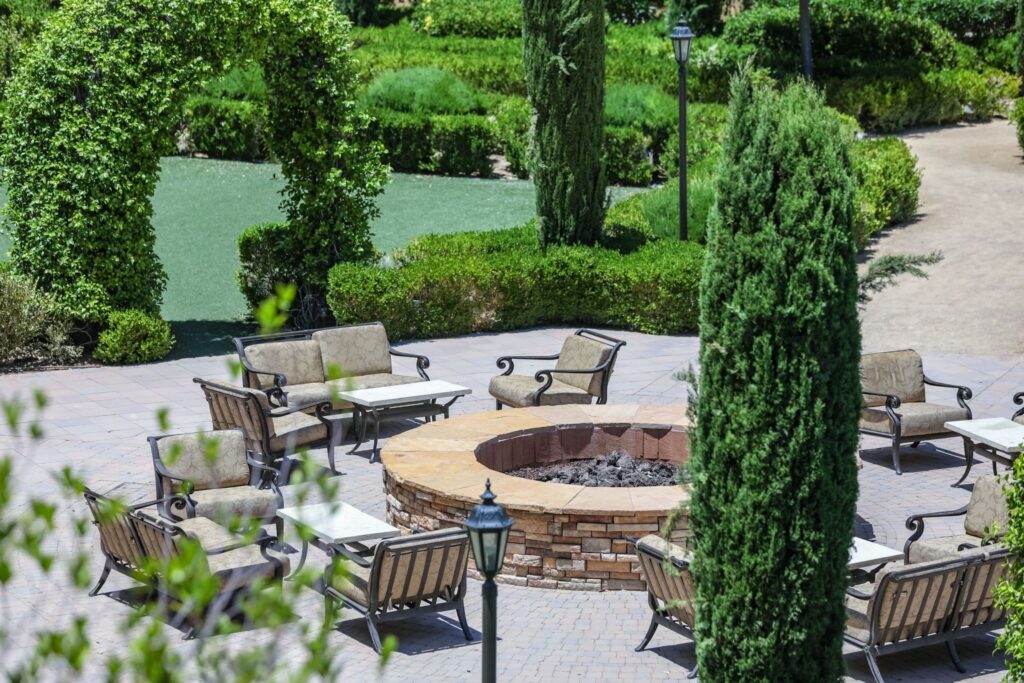
Designing for comfort and flexibility means preparing the patio for different uses over time. Seating should support long periods of relaxation without discomfort or strain. Flexible arrangements allow homeowners to adjust layouts for gatherings or quiet evenings. This design approach includes shade options, such as pergolas or umbrellas, to control temperature. Wind direction and privacy considerations also shape placement decisions. A flexible patio adapts easily as needs change throughout the years.
Select Durable Patio Materials and Surfaces
Choosing patio materials means selecting surfaces that balance durability, appearance, and maintenance needs. It directly affects how the patio looks and performs over time. This decision influences long-term costs and overall satisfaction with the space. Homeowners should compare options carefully before finalizing materials.
Compare Stone, Concrete, and Pavers
Comparing stone, concrete, and pavers helps homeowners choose the best material for their patio landscaping project. Natural stone offers a range of textures and a timeless appearance that suits many home styles. Concrete provides a clean and consistent surface with customizable finishes. Pavers offer flexibility and make repairs easier if sections become damaged. This material comparison highlights differences in cost, installation, and maintenance. Selecting the right option depends on balancing style preferences with practical needs.
Balance Durability and Style
Balancing durability and style means selecting materials that withstand use while matching design goals. Patio surfaces must handle weather changes, foot traffic, and outdoor conditions without damage. At the same time, they should complement the home’s exterior and landscaping elements. This balance prevents the patio from looking out of place or wearing down quickly. Combining materials can add visual interest without reducing strength. A thoughtful choice supports both appearance and long-term performance.
Manage Drainage and Stability
Managing drainage and stability means preparing the patio to handle water flow and ground movement. Proper grading directs water away from seating areas and prevents pooling. A stable base reduces shifting, cracking, and uneven surfaces over time. This foundation work plays a critical role in long-term durability and safety. Ignoring drainage can lead to damage that requires costly repairs. A well-prepared surface supports consistent performance in changing conditions.
Choose the Right Plants for Your Patio
Selecting plants for patio landscaping means choosing greenery that complements the structure and thrives in outdoor conditions. It adds color, texture, and seasonal variation to the space. This plant selection process should match sunlight levels, climate, and maintenance preferences. Homeowners benefit from a balanced mix of greenery and open space.
Choose Plants for Patio Conditions
Choosing plants for patio conditions means selecting varieties that adapt well to limited soil and sunlight variations. Container plants often work well because they allow flexibility in placement. Sunlight exposure throughout the day determines which plants will thrive. This plant selection should include drought-tolerant options to reduce maintenance needs. Native plants often perform better because they naturally adapt to local conditions. Healthy plant choices keep the patio looking vibrant and manageable.
Use Layers, Color, and Texture
Using layers, color, and texture means arranging plants to create depth and visual interest. Taller plants can frame the patio and clearly define boundaries. Mid-level plants fill gaps and connect different sections smoothly. This layering approach prevents the space from feeling flat or overly uniform. Mixing leaf shapes and colors adds variety without overwhelming the design. A consistent palette keeps the overall look cohesive and inviting.
Add Low-Maintenance Greenery
Adding low-maintenance greenery means selecting plants that require minimal care year-round. These plants reduce the time spent watering, pruning, and replacing damaged growth. This approach suits homeowners who prefer simple upkeep routines. Mulch helps retain moisture and limits weed growth around plants. Basic irrigation systems can automate watering and improve consistency. Low-maintenance choices support long-term success in patio landscaping.
Add Lighting and Outdoor Features
Adding lighting and outdoor features improves usability and atmosphere throughout the patio. It extends how long the area can be used beyond daylight hours. This upgrade also highlights design elements and improves safety. Homeowners can create a more dynamic outdoor setting with the right additions.
Install Practical Patio Lighting
Installing practical patio lighting means improving visibility while maintaining a comfortable atmosphere. Path lighting helps guide movement and reduces the risk of accidents. Overhead fixtures provide focused light for dining or seating areas. This lighting setup should avoid harsh brightness that disrupts relaxation. Energy-efficient options help reduce long-term operating costs. A balanced lighting plan supports both function and ambiance.
Add Fire and Water Features
Adding fire and water features means introducing elements that enhance comfort and sensory appeal. Fire pits provide warmth and create a focal point for gatherings. Water features add calming sounds that improve the overall atmosphere. This feature combination adds depth without overwhelming the space. Even small installations can make a noticeable difference in how the patio feels. These additions encourage more frequent outdoor use.
Create Comfortable Seating Areas
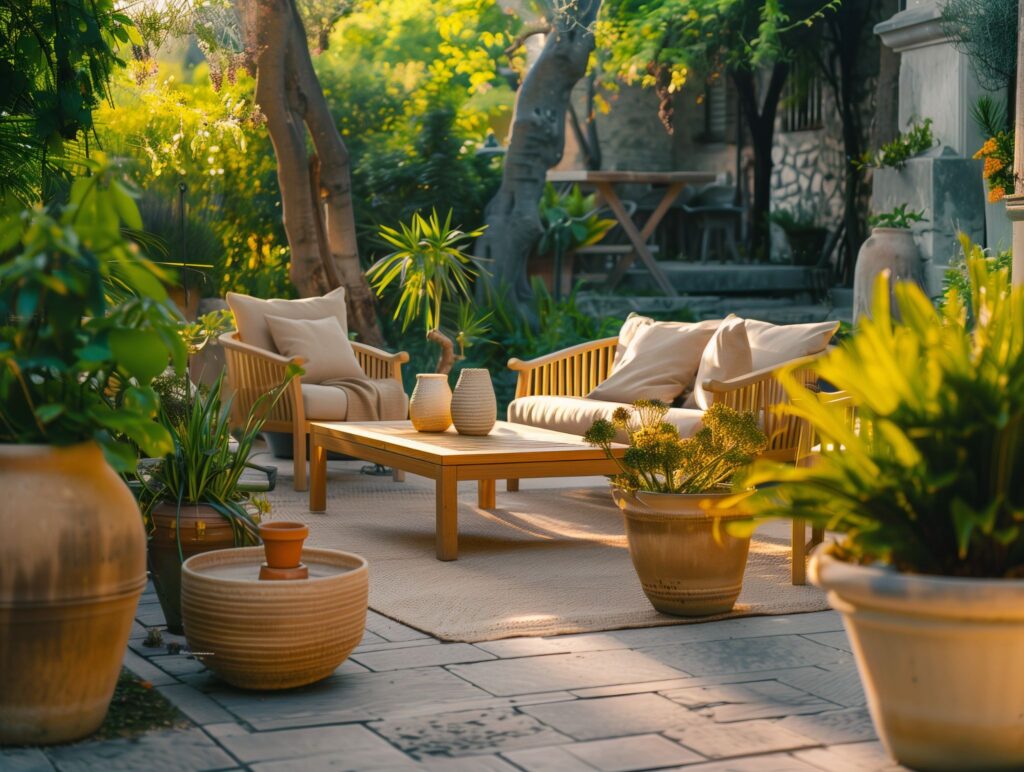
Creating comfortable seating areas means arranging furniture that supports both relaxation and social interaction. Dining sets work well for meals and structured gatherings. Lounge seating encourages casual conversation and longer stays outdoors. This seating arrangement should allow easy movement between areas. Weather-resistant materials improve durability and reduce maintenance. Comfortable seating makes the patio more inviting and functional.
Maintain Your Outdoor Patio Over Time
Maintaining patio landscaping means preserving both appearance and function through regular care. It prevents small issues from developing into costly repairs. This maintenance approach keeps the space usable year-round. Homeowners who follow a routine effectively protect their investment.
Perform Routine Cleaning and Care
Routine cleaning and care involve removing debris, dirt, and stains from patio surfaces. Sweeping and washing help maintain a clean and polished appearance. Sealing certain materials protects them from moisture and wear. This care routine also includes removing weeds between pavers. Small maintenance steps improve safety and extend the patio’s lifespan. Clean surfaces contribute to a more enjoyable outdoor experience.
Adjust for Seasonal Changes
Adjusting for seasonal changes means preparing the patio for different weather conditions throughout the year. Some plants require protection during colder months to prevent damage. Pruning and trimming help maintain shape and healthy growth. This seasonal care also involves checking surfaces after harsh weather. Adjusting watering schedules supports plant health during temperature shifts. Consistent care keeps the patio balanced and functional.
Budget Patio Landscaping and Services
Budgeting patio landscaping means planning costs for materials, labor, and ongoing maintenance. It helps homeowners make informed decisions without overspending. This financial planning supports both quality and long-term value. A clear budget reduces unexpected expenses during the project.
Set a Realistic Patio Budget
Setting a realistic patio budget means accounting for both initial installation and future upkeep costs. Materials, labor, and design features all contribute to total expenses. Homeowners should prioritize features that align with their lifestyle and usage needs. This budgeting approach prevents cutting corners that lead to repairs later. Planning helps balance affordability with durability. A well-structured budget supports long-term satisfaction.
Choose DIY or Professional Services
Choosing between DIY and professional services means evaluating project complexity and available skills. Simple tasks like planting or furniture placement can be handled independently. Larger installations often require contractors with specialized tools and experience. This professional support can prevent errors and improve overall results. Industry guidance, including insights from landscape associations, supports hiring experts for complex work. The right choice depends on scope, budget, and desired outcomes.
Redesign Your Patio Landscaping Space
A well-designed patio starts with clear decisions that match how you live and relax outdoors. Small upgrades can quickly improve comfort, flow, and visual appeal without overwhelming your budget. This approach to patio landscaping becomes easier with guidance from an experienced landscaping contractor who understands layout and material choices. Delaying improvements often leads to missed opportunities and underused space. Start shaping your patio into a place that works for you and feels complete.
Find clear, reliable patio landscaping advice on the KB Builders LLC blog and take the next step toward a better outdoor setup.