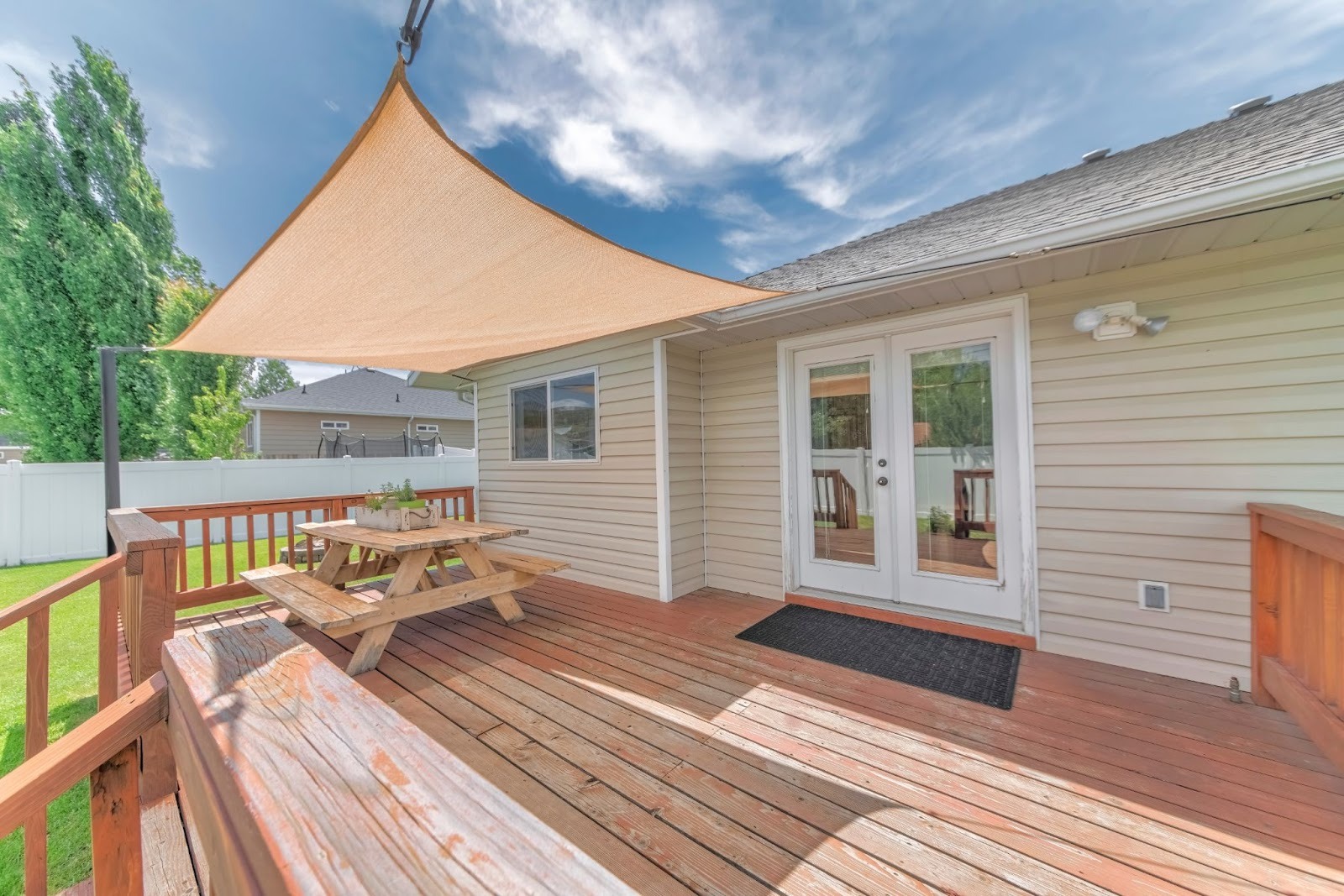
Backyards often become the favorite place for family gatherings, quiet mornings, and weekend meals. Many homeowners consider adding a patio or a deck to expand their outdoor living space. However, the choice between these two structures often confuses planning. Each option offers a different construction style, cost range, and maintenance demand. Understanding the real differences between a patio and a deck helps homeowners create a practical and inviting outdoor area.
Patio vs Deck: Key Structural Differences
A patio sits directly on the ground, while a deck stands on a raised structural frame. This core difference shapes how each outdoor space functions within a yard. Homeowners often choose based on terrain, house elevation, and desired design. Understanding the structure helps clarify the patio vs deck decision.
What is a Patio Structure?
A patio is a ground-level outdoor surface built directly on prepared soil. Builders first level the area and install a compacted gravel base for stability. This base layer supports materials such as concrete, brick, or stone pavers. These materials create a solid outdoor surface for seating, dining, and relaxation. Patios blend easily with landscaping because they remain close to garden beds and walkways. Many landscape professionals, including the National Association of Landscape Professionals, recommend patios for flat yards because installation is simpler and they are durable over time.
What is a Deck Structure?
A deck is an elevated platform supported by beams, joists, and vertical posts. Builders anchor these posts into concrete footings to stabilize the structure. This framing system lifts the deck above ground level. Deck boards are then used to create the walking surface across the frame. Railings usually surround the perimeter to provide safety and visual structure. Homeowners often choose decks when the house sits above ground level or when the yard slopes downward.
Patio vs Deck Construction Differences
The patio vs. deck difference is clearest in the building method. Patio construction focuses on soil preparation and base stability rather than structural framing. This foundation process includes excavation, gravel compaction, and surface leveling. Deck construction relies on structural engineering to support the weight above the ground. This framework system uses beams, joists, and posts anchored to concrete footings. Because of this structural design, decks adapt well to uneven terrain while patios perform best on level ground.
The Difference Between Patios and Decks
Patios and decks both expand outdoor living space, yet their structure and function differ in practical ways. Homeowners often compare these features when planning a backyard upgrade or renovation. Each option interacts differently with terrain, weather exposure, and construction methods. Understanding these differences helps explain why certain yards benefit more from a patio, while others benefit more from a deck.
Materials Used for Patios and Decks
Outdoor materials shape the durability, appearance, and maintenance needs of backyard structures. Homeowners often choose materials based on climate, budget, and design preferences. Patios and decks rely on different construction materials because their structures function differently. Understanding these material options helps homeowners select surfaces that perform well over time.
Common Materials for Patios
Concrete remains one of the most widely used patio materials for residential outdoor spaces. Builders often pour or stamp concrete to create textured finishes that resemble natural stone. Pavers also appear frequently because they create decorative patterns and flexible layouts. Natural stone, such as slate or flagstone, provides organic texture and long-lasting durability. Brick patios offer a traditional appearance that complements classic home architecture. These patio materials resist weather exposure and remain stable when installed on a well-prepared base.
Common Materials for Decks
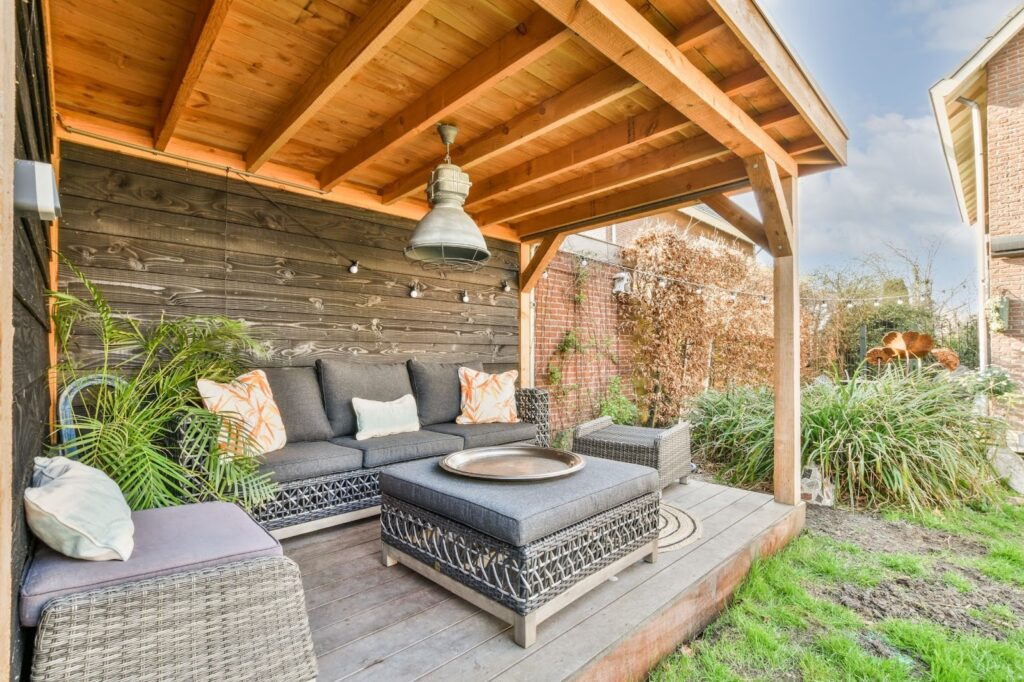
Wood remains the traditional material used in residential deck construction. Pressure-treated lumber protects against moisture and insect damage during outdoor exposure. Cedar and redwood provide natural beauty and moderate resistance to decay. Composite decking combines recycled plastics with wood fibers to create durable boards. This composite material resists fading, cracking, and insect damage better than untreated lumber. Many homeowners choose composite decking because it reduces maintenance demands over time.
Durability and Lifespan of Materials
Patio materials often last several decades with routine cleaning and basic care. Concrete and stone surfaces resist structural movement when installed on compacted gravel bases. This ground-level stability helps patios maintain their shape for many years. Deck materials are exposed to greater wear because the structure sits above ground. Wooden boards may expand, contract, or fade after repeated weather cycles. Composite boards often extend lifespan because manufacturers design them to withstand moisture and UV exposure.
How Patios and Decks Are Built
Construction methods differ because patios rest on the ground while decks rely on structural framing. Each installation process requires specific preparation steps before building begins. Contractors usually evaluate terrain, drainage, and house elevation before recommending a structure. Understanding the construction process helps homeowners anticipate costs and project timelines.
Steps in Patio Installation
Patio construction begins with clearing the site of grass, roots, and loose soil. Contractors excavate several inches of soil to create space for base materials. This excavation step allows builders to install a compacted gravel foundation. Sand or mortar then forms a leveling layer above the gravel base. Workers place pavers, brick, or stone carefully across the prepared surface. Proper leveling and joint filling help the patio remain stable and visually consistent.
Steps in Deck Construction
Deck construction begins with installing concrete footings beneath the ground surface. These footings anchor vertical support posts that carry the structure’s weight. Builders attach beams and joists to create the structural frame. This framework supports decking boards that form the walking surface. Railings and stairs complete the structure and improve accessibility. Proper framing helps the deck remain stable while supporting furniture, gatherings, and outdoor activity.
Cost Differences Between Patios and Decks
Budget often influences the choice between a patio and a deck. Construction complexity and material selection shape the overall project cost. Labor requirements also vary depending on terrain and design features. Understanding cost differences helps homeowners plan realistic budgets for outdoor renovations.
Average Cost of Building a Patio
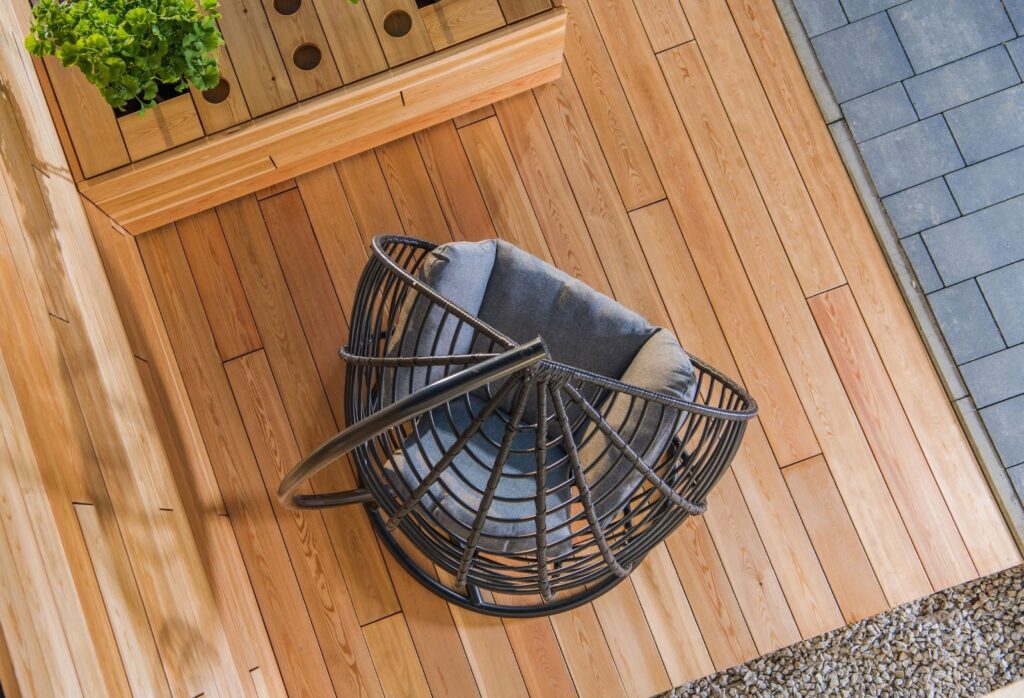
Patios usually cost less because the structure does not require framing or structural posts. Contractors focus mainly on excavation, base preparation, and surface installation. Concrete patios remain among the most affordable outdoor living additions. Decorative pavers or natural stone raise costs but improve design appeal. Labor expenses increase when installers create curved layouts or detailed patterns. Even with design upgrades, patios often remain a cost-effective outdoor feature.
Average Cost of Building a Deck
Decks often cost more because structural framing adds materials and labor. Builders must install footings, support posts, beams, and joists. These components increase construction time and engineering requirements. Wood decks typically cost less initially than composite decks. Composite materials increase upfront costs but reduce long-term maintenance costs. Multi-level decks or large layouts further raise project expenses.
Long-Term Value and Investment
Initial construction cost tells only part of the financial story. Patios usually require limited maintenance during their lifespan. This lower upkeep often reduces long-term ownership expenses. Decks require periodic sealing, staining, or replacement of boards. Routine care helps maintain appearance and structural safety. However, well-designed decks can increase property appeal and outdoor usability.
Maintenance Needs for Patios and Decks
Outdoor surfaces are constantly exposed to sunlight, rain, and seasonal weather changes. Maintenance routines help preserve durability and appearance over time. Homeowners should evaluate maintenance expectations before choosing a structure. Proper care extends the lifespan of both patios and decks.
Routine Patio Maintenance
Patio surfaces require relatively simple cleaning year-round. Homeowners often sweep leaves and debris from the surface regularly. Occasional washing restores the appearance of stone, brick, or concrete. Pressure washing may remove stubborn dirt or mildew buildup. Paver patios sometimes develop weeds between joints over time. Joint sand or sealant helps control plant growth and maintain stability.
Routine Deck Maintenance
Deck maintenance depends largely on the materials used during construction. Wooden decks require cleaning to remove dirt, mold, and moisture buildup. Homeowners often apply stain or sealant to protect wood fibers. This protective coating helps prevent cracking and fading. Boards may loosen or warp after years of weather exposure. Routine inspections allow homeowners to repair minor issues before they grow into larger problems.
Outdoor Living and Design Possibilities
Design flexibility shapes how homeowners enjoy their outdoor living space. Patios and decks support dining, relaxation, and gatherings in different ways. Their structure influences layout possibilities and visual style. Understanding these design options helps homeowners create comfortable outdoor environments.
Patio Layout and Design Ideas
Patios create flexible layouts that integrate naturally with surrounding landscaping. Curved edges soften the appearance of outdoor gathering spaces. Homeowners often add fire pits, pergolas, or outdoor kitchens nearby. This patio design encourages relaxed gatherings close to the garden environment. Stone pathways can connect the patio to other parts of the yard. These design features create a cohesive outdoor setting for entertaining and relaxation.
Deck Layout and Design Ideas
Decks allow creative layouts because their elevated structure supports multi-level designs. Builders sometimes create tiered decks to separate dining and seating areas. Railings and stairs contribute to both safety and visual structure. This deck layout also improves transitions between indoor and outdoor living spaces. Homeowners frequently add built-in seating or pergolas for shade. Lighting along railings and steps improves visibility during evening gatherings.
Views and Landscape Integration
Decks often provide wider views because they rise above ground level. This elevation allows homeowners to enjoy scenery beyond the immediate yard. Hillside properties benefit especially from raised deck platforms. Patios remain closer to the ground and integrate naturally with gardens. This ground-level connection encourages interaction with surrounding plants and landscaping. Many homeowners prefer patios for a calm outdoor environment within the yard.
Find the Right Backyard Structure for Your Space
The best outdoor addition aligns with how you use your yard and the conditions of your property. Some homeowners benefit from a ground-level surface that blends with landscaping. Others prefer an elevated platform that expands views and usable space. A thoughtful choice today can shape a comfortable outdoor setting where family and guests gather for years.
Planning a backyard upgrade? Explore the KB Builders LLC blog to discover design ideas, building insights, and expert remodeling advice.