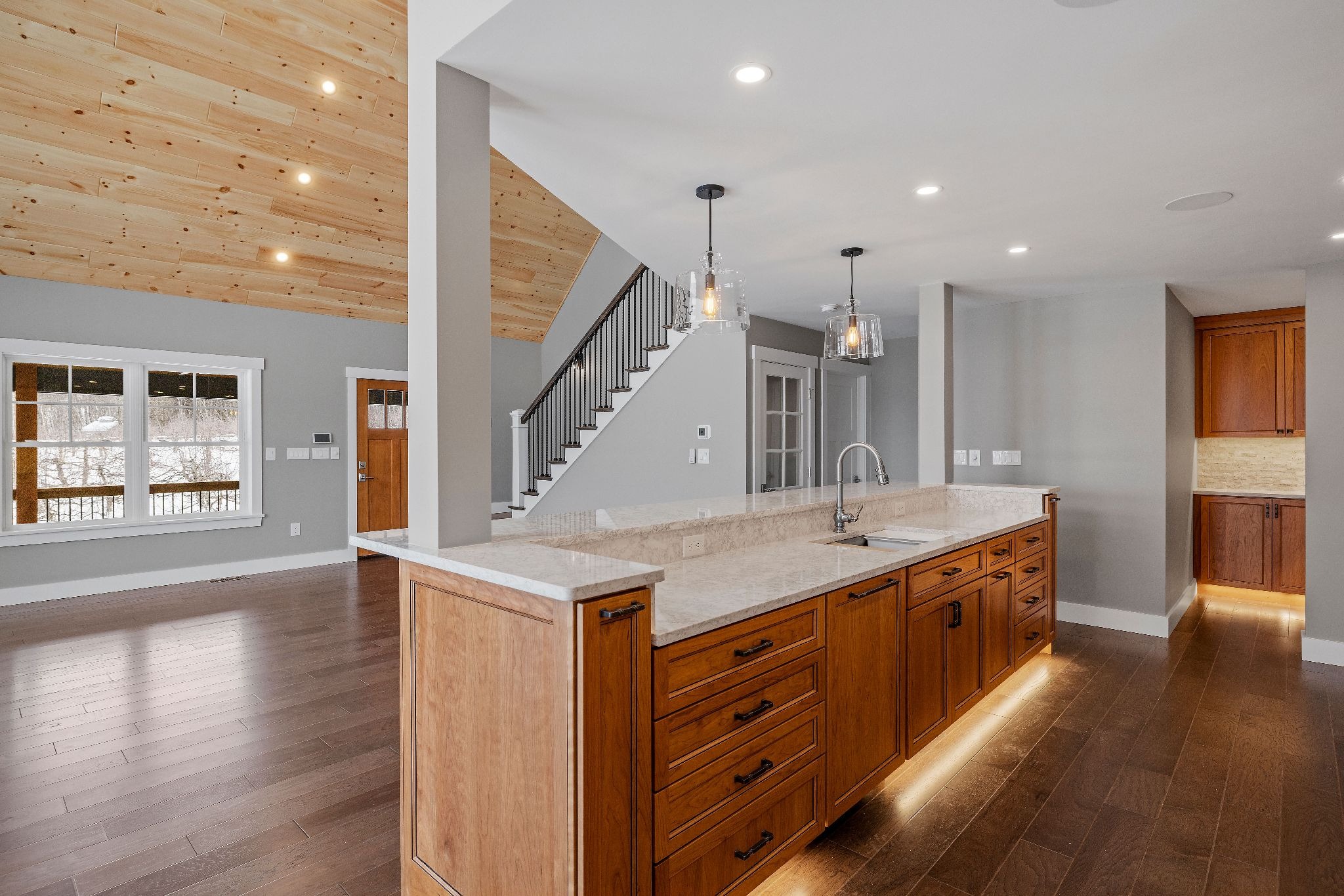
Homes are working harder than ever for modern families. Daily routines now influence renovation decisions more than design trends alone. Homeowners want spaces that support work, relaxation, entertainment, and long-term comfort. Renovation projects in 2026 reflect these changing expectations. As a result, personalized design, smart technology, and practical improvements continue shaping remodeling priorities.
Why Staying Current With Renovation Trends Matters
Home renovation trends reflect how homeowners live and use their spaces today. Understanding these changes can help guide smarter remodeling decisions. Current trends often reveal new ways to improve comfort and functionality. They can also highlight features that support long-term household needs. Homeowners who follow emerging ideas are often better prepared for future upgrades. Keeping up with renovation trends helps create spaces that remain practical and relevant for years.
What Are the Biggest Home Renovation Trends in 2026?
Homeowners are choosing upgrades that improve everyday living. Flexible layouts and smart technology continue gaining attention. Energy-efficient improvements remain popular as operating costs increase. Many renovation projects also focus on wellness, storage, and outdoor living.
Personalized Spaces That Reflect Daily Living
Homeowners increasingly want homes that reflect their lifestyles. Standard layouts often fail to support changing household needs. Home improvement projects now focus on flexibility and everyday practicality. This shift is influencing nearly every area of residential design.
Multi-Functional Rooms Gain Popularity
Design professionals continue reporting strong demand for adaptable living areas. Many homeowners need rooms that serve multiple purposes each day. A guest room may also function as a workspace. A finished basement may support exercise and entertainment. Flexible spaces help families make the most of every square foot. This approach creates greater value without requiring major additions.
Customized Storage Takes Center Stage
Storage planning now begins earlier in home improvement projects. Homeowners want solutions tailored to daily habits and routines. Built-in cabinetry helps reduce clutter throughout the home. Contractors frequently recommend storage within underused areas. Spaces beneath stairs often become valuable storage zones. These improvements create a cleaner and more organized environment.
Smart Home Features Become More Connected
Technology is becoming part of everyday household management. Homeowners want convenience without creating additional complexity. Rising energy costs are increasing interest in automated systems. Modern homes now include connected features from the beginning.
Home Automation Becomes More Common
Many homeowners prefer to control multiple systems from a single platform. Lighting, security, and climate settings work together more efficiently. Modern systems require less effort than earlier technologies. Homeowners appreciate managing household functions through simple interfaces. These solutions also support future upgrades and expansions. Connected homes continue attracting interest across different age groups.
Smart Energy Management Expands
Energy monitoring tools are becoming common household additions. Homeowners want better visibility into energy use. Smart thermostats can adjust settings based on daily patterns. Automated systems help reduce unnecessary energy consumption. Contractors often recommend these upgrades during major projects. Lower utility expenses remain a strong motivation for many families.
Sustainable Choices Continue Gaining Ground
Environmental concerns are influencing more home improvement decisions each year. Homeowners want improvements that support long-term efficiency. Sustainability now extends beyond basic energy-saving upgrades. Planning increasingly considers material sourcing and durability.
Sustainable Materials Gain Momentum
Designers frequently recommend materials with lower environmental impact. Reclaimed wood remains popular for flooring and accent features. Recycled metal products continue appearing in modern homes. Homeowners appreciate materials offering both character and durability. Many suppliers now offer a wider selection of sustainable products. This movement continues expanding across residential projects.
Water-Saving Features Become Standard
Water efficiency is receiving greater attention than in previous years. Homeowners are installing low-flow fixtures throughout their homes. Advanced irrigation systems help reduce outdoor water consumption. These improvements lower utility expenses over time. Contractors also recommend landscaping requiring less maintenance. Homeowners benefit from savings without sacrificing convenience.
Kitchens Become More Social and Functional
Kitchen updates remain among the most requested home projects. Homeowners expect more from these spaces than before. Modern kitchens support cooking, entertaining, and daily family interaction. Design priorities now balance efficiency with visual appeal.
Workstation Kitchens Improve Efficiency
Dedicated work zones are becoming common kitchen features. Separate areas support preparation, cooking, serving, and cleanup. This arrangement helps multiple people use the kitchen comfortably. Better traffic flow improves efficiency during busy periods. Homeowners appreciate layouts designed around real-world use. Industry professionals continue seeing demand for this approach.
Hidden Features Create Cleaner Kitchens
Streamlined kitchens remain a popular design preference. Homeowners want convenient storage without visible clutter. Appliance garages help conceal small countertop equipment. Hidden charging stations support modern household needs. Integrated appliances contribute to a cleaner overall appearance. These features combine practicality with a refined aesthetic.
Wellness-Focused Bathrooms Gain Attention
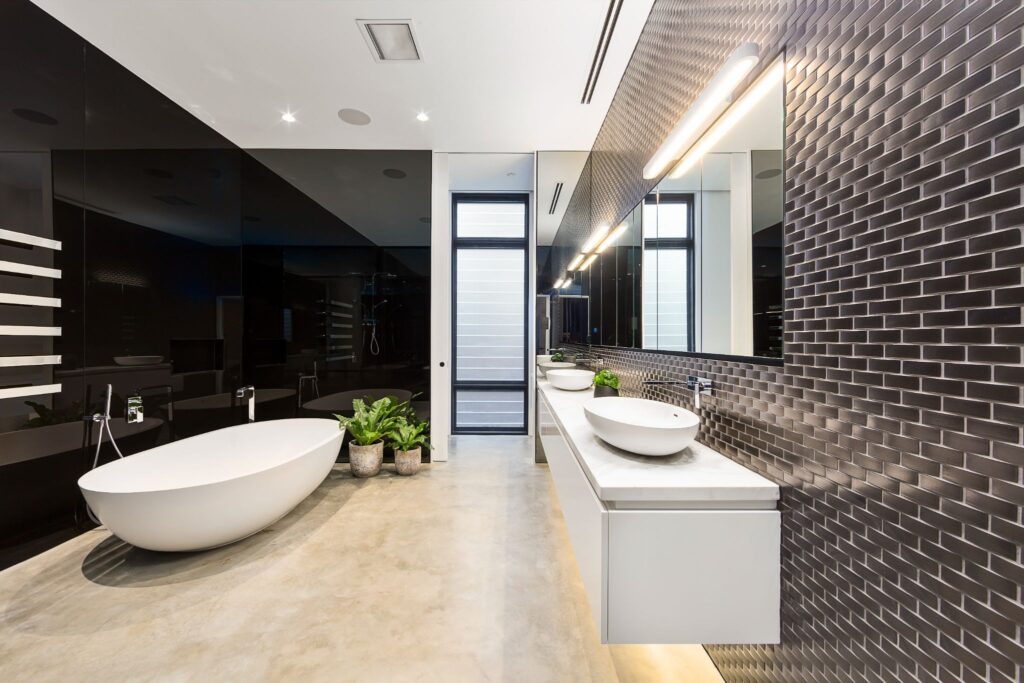
Bathrooms are becoming more personalized and experience-driven. Homeowners want spaces supporting relaxation and daily comfort. Wellness features now influence many design decisions. Modern upgrades often combine luxury with long-term functionality.
Spa-Inspired Features Gain Popularity
Steam showers remain attractive among homeowners seeking comfort. Soaking tubs continue appearing in larger bathroom projects. Heated flooring adds convenience during colder seasons. Designers frequently combine these features with calming materials. Layered lighting helps create a more relaxing atmosphere. Homeowners increasingly view bathrooms as personal retreats.
Accessible Bathroom Design Expands
Accessibility improvements appeal to homeowners across generations. Curbless showers continue growing in popularity. Wider entryways support easier movement throughout the space. Design professionals often recommend planning for future needs. These features blend naturally into contemporary bathrooms. Practical improvements no longer require sacrificing style.
Future-Ready Layouts Become More Popular
Homeowners are planning improvements with future needs in mind. Household routines can change significantly over the years. Growing families, remote work arrangements, and aging relatives often create new space requirements. As a result, flexibility is becoming a major consideration during home updates.
Spaces Adapt to Changing Needs
Many homeowners prefer layouts that can evolve. A home office may later become a nursery or guest room. Open areas can also support different activities as lifestyles change. Flexible designs reduce the need for major construction later. This approach helps homeowners get more value from their investment. It also creates a home that remains useful through different life stages.
Future Planning Reduces Major Disruptions
Forward-thinking homeowners often consider long-term possibilities early. Small design decisions can prevent costly modifications later. Wider hallways, adaptable rooms, and extra storage create greater flexibility. These features support changing household needs without sacrificing comfort. Design professionals continue seeing growing interest in long-range planning. Many homeowners now view flexibility as a practical investment rather than an optional upgrade.
Behind-The-Walls Upgrades Gain Importance
Homeowners are paying closer attention to the systems supporting modern living. Visible design features often receive the most attention. However, hidden infrastructure can have an even greater impact on comfort and functionality. This growing awareness is influencing many home improvement decisions.
Electrical Capacity Becomes a Priority
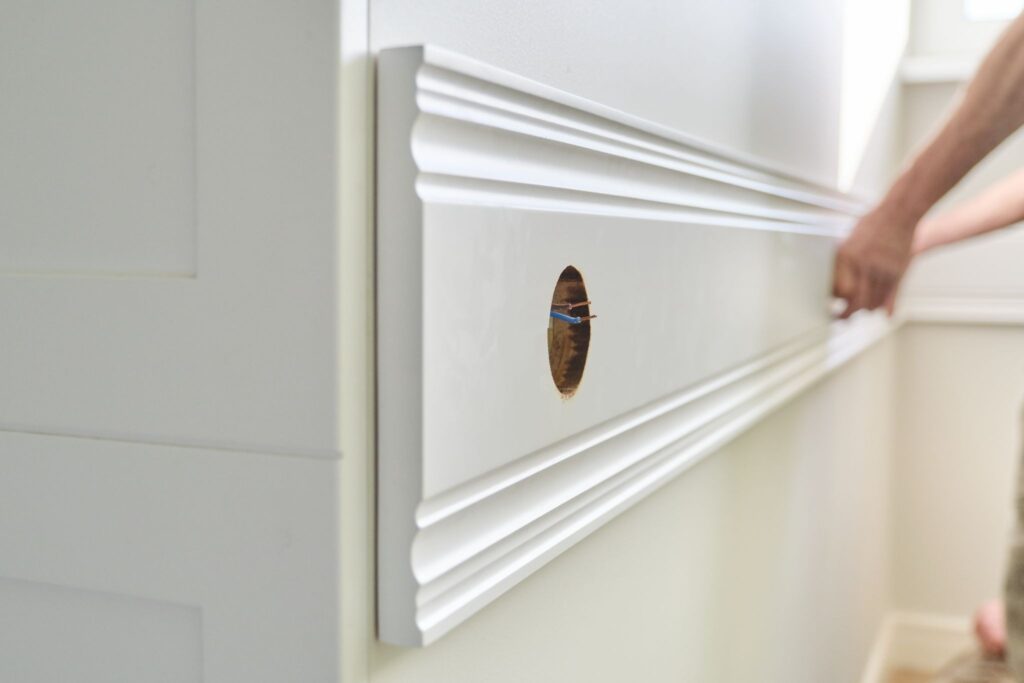
Modern homes place greater demands on electrical systems. Smart devices, home offices, and advanced appliances require reliable power. Older systems may struggle to support these changing needs. Many homeowners are upgrading electrical panels during larger projects. These improvements help support future technology additions. They also provide greater convenience and reliability throughout the home.
Homes Prepare for Emerging Technology
Many homeowners are planning for technologies they may add later. Solar panel readiness is becoming more common during major projects. Some homeowners also install wiring for electric vehicle charging stations. Improved network infrastructure supports the growth of smart home systems. Planning can reduce future labor costs and disruptions. Contractors frequently recommend these upgrades during comprehensive home improvements.
Home Renovation Trends FAQ for 2026
Homeowners often have questions beyond the latest design ideas. Understanding current preferences can make planning decisions easier and more practical. Many trends reflect changing lifestyles, technology, and long-term living goals. The answers below address common questions about home improvement priorities in 2026.
What Renovation Projects Are Most Popular in 2026?
Kitchen renovations remain a leading priority among homeowners. Bathroom remodeling continues attracting strong interest as well. Flexible living spaces are becoming increasingly common. Energy-efficient upgrades remain a frequent renovation goal. Outdoor living improvements continue gaining momentum.
Which Renovation Trends Provide Lasting Value?
Projects improving functionality often retain value longer. Kitchen upgrades remain attractive to many future buyers. Energy-efficient improvements can reduce operating costs over time. Flexible layouts adapt more easily to changing needs. Storage and accessibility upgrades also offer long-term benefits.
Are Smart Home Features Worth Adding During Renovations?
Many homeowners view smart technology as a practical investment. Connected systems simplify everyday household management. Some features can reduce energy consumption and expenses. Smart solutions also support greater convenience and flexibility. Future buyers often appreciate these modern additions.
What Sustainable Renovation Features Are Growing Fastest?
Water-saving fixtures remain popular among many homeowners. Recycled materials continue appearing in remodeling projects. Improved insulation attracts attention because of energy savings. Solar panel preparation is becoming increasingly common. Electric vehicle charging infrastructure is also gaining popularity.
Customize Your Home Beyond Today’s Trends
Every household has unique priorities, routines, and long-term goals. The most effective home improvements reflect those realities rather than temporary design preferences. As living needs continue to evolve, thoughtful planning can help create spaces that remain useful and comfortable over time. Working with experienced builders during the planning stage can also provide valuable insight into practical solutions and future possibilities. The choices you make today can shape a home that better supports the way you live for years to come.
The best home decisions often begin with reliable information. Explore the KB Builders LLC blog for expert perspectives, emerging ideas, and helpful resources for homeowners planning their next upgrade.