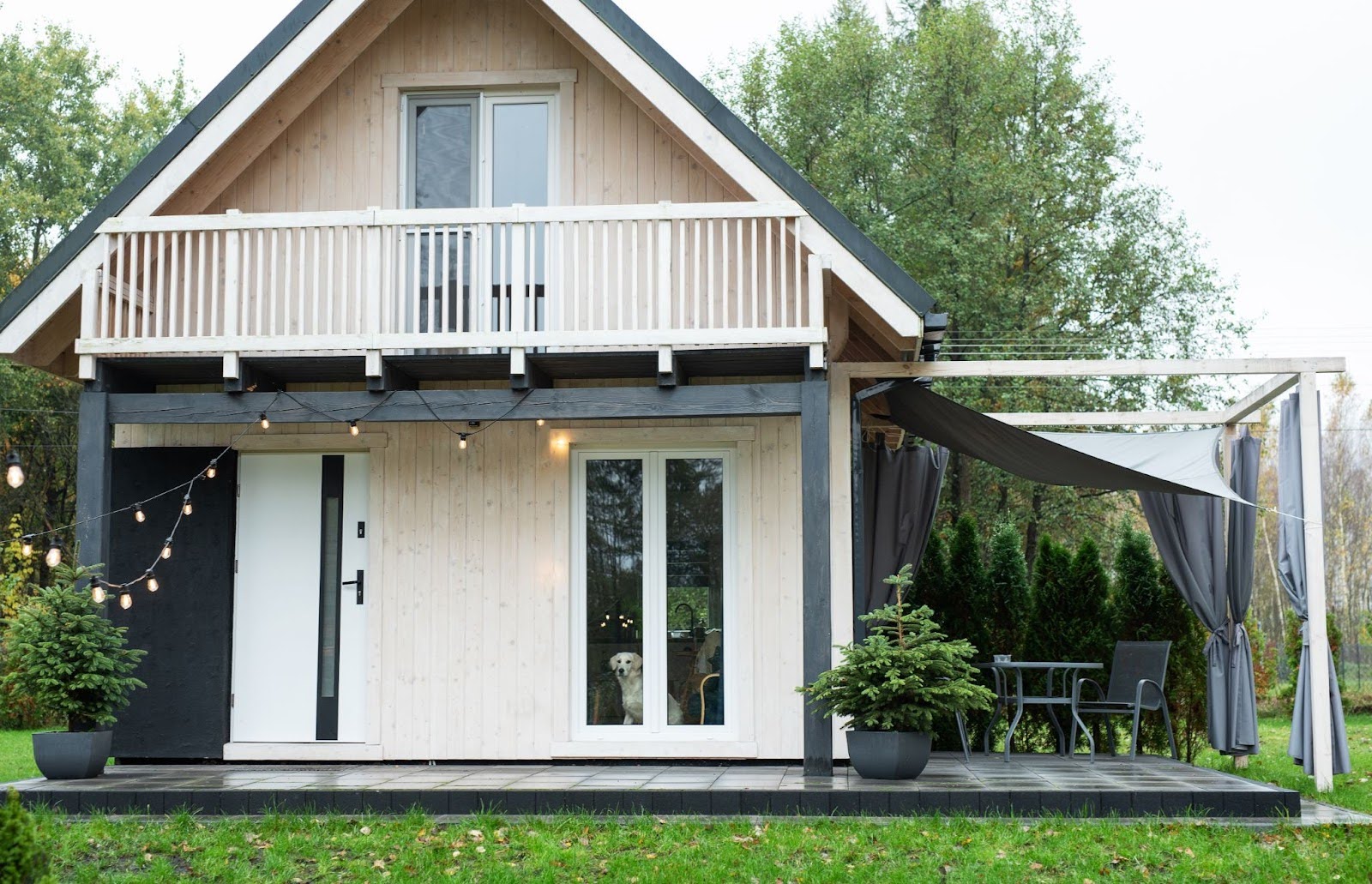
Accessory dwelling units have moved from being optional add-ons to becoming practical tools for homeowners facing real housing pressures. Many property owners want flexibility without giving up their location, lifestyle, or long-term financial plans. A well-designed secondary unit can support family members, create rental income, or adapt to changing needs over time. These spaces allow homeowners to respond to rising costs while retaining control over their property. Accessory dwelling units now reflect thoughtful planning rather than short-term fixes.
Accessory Dwelling Units Defined
Accessory dwelling units are self-contained residences located on the same lot as a primary home. These units include their own kitchen, bathroom, and sleeping space, enabling independent daily living. Local building and zoning rules determine how large they can be and where they may be placed. Understanding this definition helps homeowners avoid confusion between legal ADUs and informal living spaces.
What Makes a Space an Accessory Dwelling Unit
An accessory dwelling unit qualifies as a whole residence because it supports independent living without relying on the main house. That independence requires permanent cooking facilities, a dedicated bathroom, and a separate sleeping area. Local codes also mandate safe access, which usually means a private entrance. These requirements separate ADUs from bonus rooms or finished basements. Utility connections must meet residential standards. Meeting these criteria allows the unit to function as lawful housing.
How ADUs Differ From Guest Suites
Guest suites serve short-term or occasional use and usually depend on the main home for kitchens or utilities. An accessory dwelling unit, by contrast, allows someone to live entirely independently on the same property. That distinction affects zoning approval, rental eligibility, and property taxes. Municipalities often regulate ADUs as long-term housing rather than temporary accommodations. This classification shapes how homeowners can legally use the space. Understanding the difference prevents compliance issues later.
Why Homeowners Add Accessory Units
Many homeowners build ADUs to generate steady rental income that supports long-term financial goals. Others plan for family members who need proximity without shared living arrangements. Some owners anticipate future lifestyle changes and want options in place ahead of time. This foresight allows properties to adapt without significant disruptions. ADUs also provide private workspaces or studios. These varied uses influence both design choices and placement.
Detached Accessory Dwelling Unit Options
Detached accessory dwelling units exist as separate structures from the main home. This separation provides privacy that many homeowners and occupants value. These units often sit in backyards or repurposed outbuildings. Their independence makes them appealing to renters and extended family living.
Backyard Cottage Accessory Units
A backyard cottage ADU functions much like a small standalone home. This setup provides occupants with privacy while preserving the primary residence’s layout: zoning rules govern placement, setbacks, and height limits. Utility lines must connect safely to the central systems. These units often attract consistent rental interest. Thoughtful landscaping helps them blend into the property.
Detached Garage Conversion Units
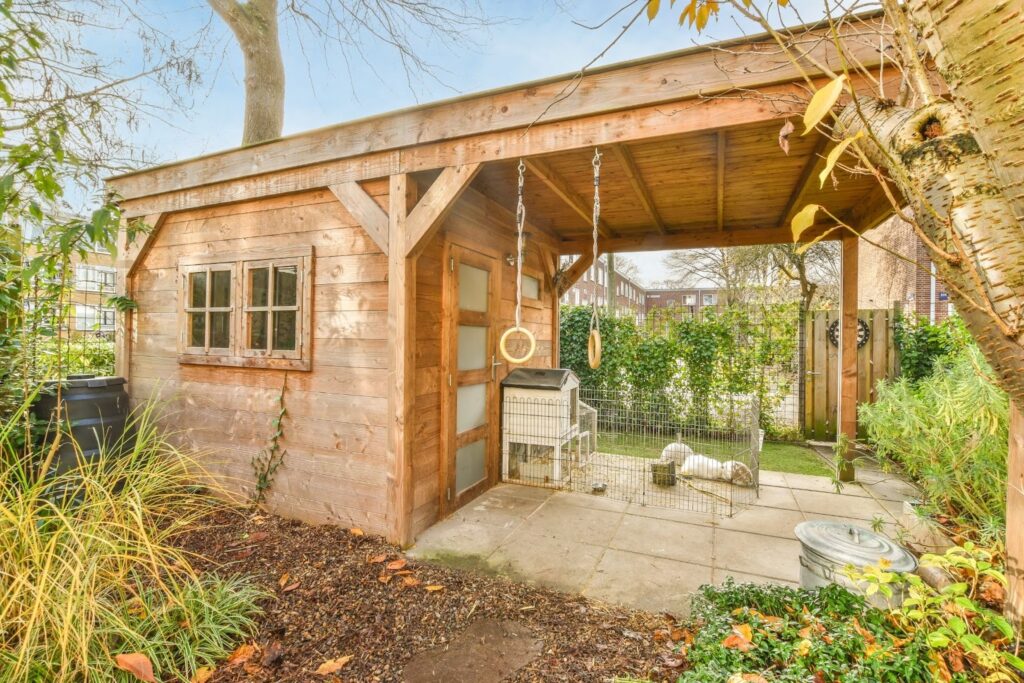
Garage conversions turn existing structures into livable space without expanding the home footprint. This approach reduces construction time and structural costs. Upgrades typically include insulation, plumbing, and fire-rated materials. Parking requirements can influence approval depending on the location. These units work well for compact living needs. Homeowners often complete them faster than new builds.
Newly Built Detached ADUs
New detached ADUs allow homeowners to design spaces around specific goals. Layouts can prioritize long-term rentals, family use, or flexible occupancy. Permits and inspections govern utility connections and safety standards. Costs vary depending on site conditions and finishes. These units often enhance the property’s overall appeal. Their adaptability supports changing needs over time.
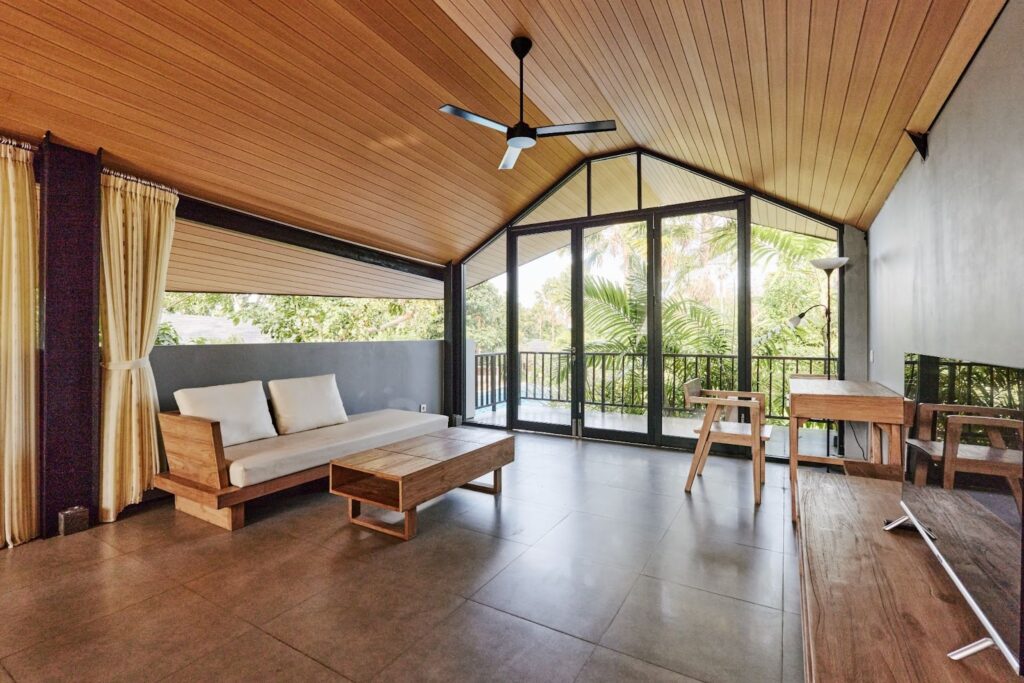
Attached Accessory Dwelling Unit Designs
Attached accessory dwelling units connect directly to the primary residence. These units share walls while maintaining separate entrances. Homeowners often choose this option to keep family members close. Structural integration influences design and cost.
Side Addition Accessory Units
Side additions extend the home laterally while preserving its overall structure. Builders often match exterior materials to maintain visual continuity. Soundproofing becomes essential to protect privacy. Utility systems may remain shared, depending on design. Construction can temporarily affect daily routines. Finished spaces typically feel like natural extensions of the home.
Rear Extension ADUs
Rear extension ADUs make use of backyard space while keeping the front façade unchanged. This design works well in neighborhoods with appearance guidelines. Ground-level access improves accessibility for many occupants. Zoning setbacks determine how far the structure may extend. These units often feel open and functional. Families frequently favor this layout.
Above-Garage Attached ADUs
Above-garage ADUs use vertical space without altering lot coverage. Structural reinforcement supports added weight and occupancy. Stair access must comply with safety codes. Natural light planning often includes skylights or dormers. These units suit long-term residents well. Height restrictions may limit feasibility in some areas.
Interior Accessory Dwelling Unit Conversions
Interior accessory dwelling units adapt existing space within the home. This approach minimizes exterior construction and visual changes. Homeowners with limited lot sizes often prefer this option. Careful design ensures comfort and code compliance.
Basement Accessory Dwelling Units
Basement ADUs convert underused space into functional housing. Ceiling height and egress requirements shape feasibility. Proper drainage and moisture control protect durability. Sound insulation improves separation from the main home. These units often attract reliable rental demand. Thoughtful lighting enhances livability.
Attic Conversion Accessory Units
Attic ADUs require structural planning due to sloped ceilings. Reinforcement supports added load and occupancy. Stair placement must meet code standards. Skylights or dormers improve natural light. These units suit smaller households. Design efficiency plays a key role.
Split-Level Interior ADUs
Split-level homes often adapt well to interior ADUs. Existing entrances simplify separation between living spaces. Partial kitchens may meet local requirements. Noise transfer remains manageable with proper insulation. Costs typically stay moderate. Homeowners retain flexibility for future use.
Junior Accessory Dwelling Units Explained
Junior accessory dwelling units provide compact living options within existing homes. These units operate under distinct regulations. Their smaller size reduces construction impact. Homeowners often benefit from simpler approvals.
Features of Junior Accessory Dwelling Units
A junior ADU occupies a limited amount of square footage within the home. This space usually shares a bathroom with the primary residence. Kitchens include basic appliances rather than complete setups. Owner occupancy rules often apply. Utilities remain shared with the main home. These limits reduce complexity.
When a Junior ADU Makes Sense
Junior ADUs suit households with limited space or budget. Homeowners often use them for short-term family housing. Caregivers or students benefit from proximity. Approval timelines remain shorter in many jurisdictions. Operating costs stay manageable. These units support practical flexibility.
Prefabricated and Modular ADU Choices
Prefabricated and modular ADUs streamline construction timelines. These units are built off-site under controlled conditions. Quality checks occur before delivery. Installation often proceeds efficiently.
Prefabricated Accessory Dwelling Units
Prefabricated ADUs arrive largely complete. Foundations are prepared in advance. Design options follow standardized models. Pricing remains predictable. Weather delays have less impact. Consistency appeals to many homeowners.
Modular ADUs Installed On-Site
Modular ADUs arrive in sections for assembly. Crews complete the installation quickly once delivered. Customization options exceed prefab designs. Transportation logistics influence scheduling. Financing terms vary by lender. Durability matches site-built homes.
Factory-Built Versus Custom ADUs
Factory-built units offer predictable costs and timelines. Custom ADUs allow greater design control. Approval processes vary by municipality. Site conditions influence both approaches. Maintenance needs remain comparable. Homeowners choose based on priorities.
Zoning Rules Affecting ADU Development
Zoning laws shape how accessory dwelling units can be built. These rules govern size, placement, and height. Utility regulations also apply. Early awareness prevents costly delays.
Lot Size and Setback Requirements
Minimum lot sizes differ by location. Setbacks define buildable areas. Height limits restrict vertical designs. Easements may reduce usable space. Surveys clarify boundaries. Early review saves time.
Utility and Parking Regulations
Some jurisdictions require separate utility meters. Others allow shared systems. Parking rules influence site layout. Transit access may reduce parking needs. Utility upgrades add cost. Compliance supports approval.
Permits and Inspections for ADUs
Permits authorize construction legally. Plan reviews assess safety standards. Inspections occur at defined stages. Missing documentation causes delays. Experienced professionals streamline submissions. Transparent processes improve outcomes.
Choosing the Right ADU for Your Property
Selecting an ADU type requires careful evaluation. Property features guide feasibility. Personal goals shape design decisions. Balanced planning supports long-term satisfaction.
Matching ADU Types to Property Layout
Large lots support detached ADUs. Smaller parcels favor interior conversions. Existing structures reduce construction costs. Access points affect privacy. Landscaping integrates new buildings. Layout alignment prevents future issues.
Budget Planning and Financing Factors
ADU costs vary by type and scope. Financing options include loans or savings. Rental income offsets expenses over time. Maintenance planning protects value. Insurance updates remain necessary. Financial clarity supports decisions.
Intended Use and Long-Term Planning
Rental goals affect unit independence. Family housing prioritizes accessibility. Resale value matters over time. Adaptability supports life changes. Flexible design extends usefulness. Planning reduces future constraints.
Accessory Dwelling Units and Property Value
Accessory dwelling units influence property performance over time. Buyers increasingly value flexible housing. ADUs support alternative income streams. Market demand continues to grow.
Market Appeal of Homes With ADUs
Homes with ADUs attract broader buyer interest. Rental potential increases desirability. Multi-generational layouts appeal widely. Appraisers consider income capacity. Neighborhood acceptance continues improving. Market resilience strengthens ownership.
Rental Income and Stability Benefits
Rental demand supports steady cash flow. Long-term tenants reduce turnover. Short-term rentals require compliance. Income offsets housing costs. Financial planning gains predictability. Stability supports future investments.
Shape Smarter Housing With Accessory Dwelling Units
Accessory dwelling units give homeowners practical control over how their property supports future needs. Housing regulations, financing conditions, and construction availability continue to shift, often faster than expected. Homeowners who consult experienced home remodeling contractors early gain clearer insight into feasibility, design limits, and long-term value. A well-planned ADU positions a property to respond confidently to changing family dynamics, income goals, and housing demands without having to make reactive decisions later.
Continue learning how thoughtful design supports long-term property value by reading the latest articles on the KB Builders LLC blog.