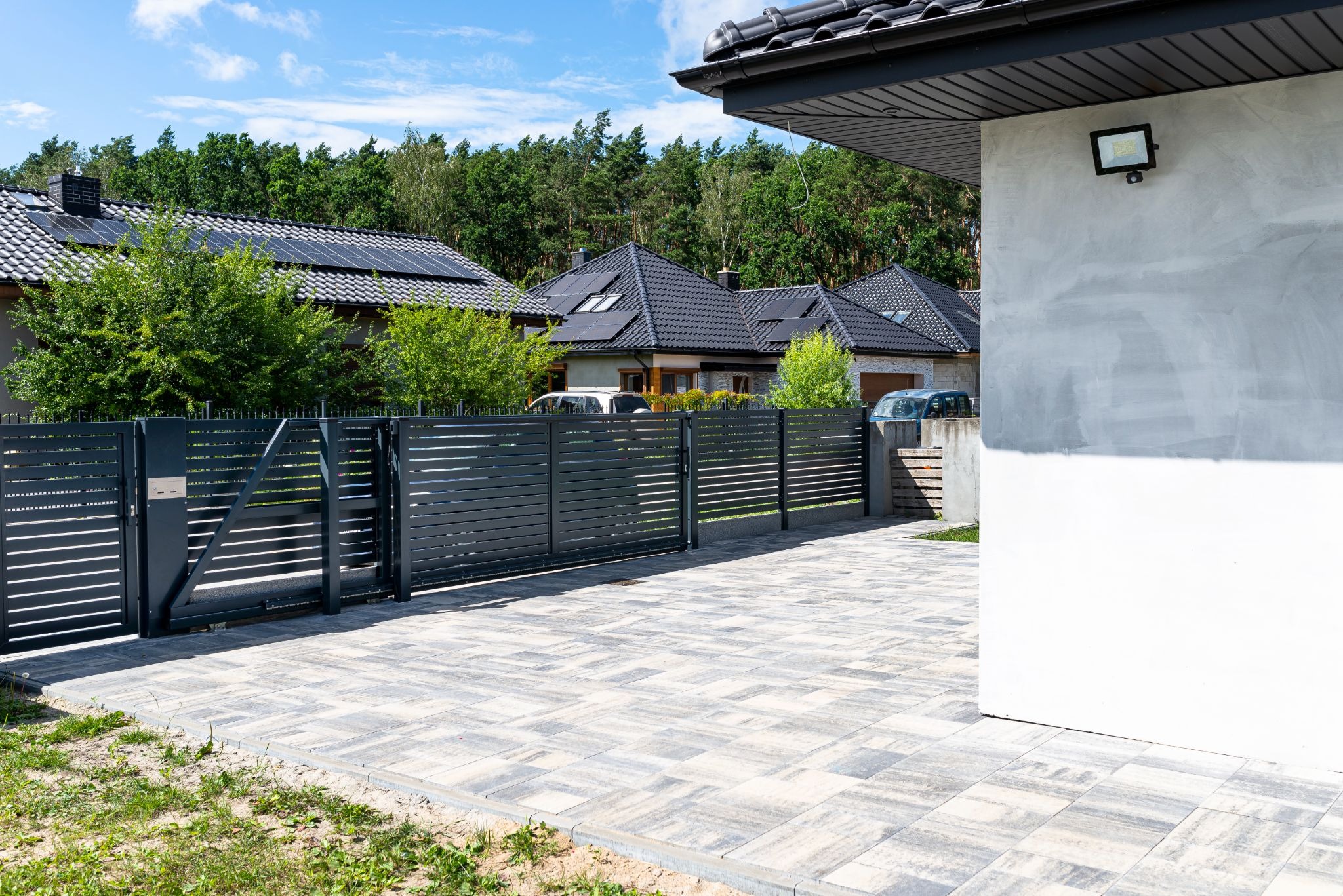
A fence shapes how your home feels on the inside and the outside. It defines your space while adding structure and visual appeal to your yard. Many homeowners feel unsure because each option serves a different purpose. Materials, design, and upkeep all influence how well a fence fits your needs. Knowing the most practicaltypes of fences helps you choose with clarity and confidence.
Why Fence Types Matter for Homes
Fence types directly affect privacy, safety, and how your property looks to others. A well-matched fence supports daily living while improving long-term value. Different materials and designs meet different homeowner priorities and expectations. Choosing the right option early helps avoid costly changes and ongoing frustration.
Privacy and Security Fence Benefits
Privacy and security fences create clear boundaries while protecting your household. Solid fence designs limit outside visibility and reduce unwanted attention from nearby areas. Families with pets or children benefit from enclosed spaces that feel controlled and safe. Taller fences often discourage trespassing by adding a physical and visual barrier. Open styles still provide structure while maintaining visibility across the yard. This balance between privacy and openness depends on your comfort level and your property’s layout.
Fence Styles and Home Value Impact
Fence styles influence how your home appears to visitors and potential buyers. A well-designed fence frames your yard and complements your home’s structure. Buyers often notice fences because they shape first impressions during property visits. Coordinated colors and materials create a polished look that feels intentional. Consistent design also supports neighborhood harmony and visual flow. This detail adds value by improving both function and appearance.
Fence Material Affects Long-Term Costs
Fence material choices directly influence how much you spend over time. Some materials require frequent repairs, while others last longer with minimal upkeep. Wood may cost less upfront, but it often needs regular sealing and maintenance. Vinyl and metal options usually reduce long-term expenses through durability. Climate and usage also impact how materials perform year after year. This cost awareness helps homeowners make practical and informed decisions.
Popular Fence Types for Every Home
Fence choices often reflect how you want your space to function and feel. Some homeowners focus on privacy, while others prefer openness and style. Each fencing option offers different strengths that suit specific needs and preferences. Knowing what each type offers makes it easier to understand the options that follow.
Wood Fence Types and Uses
Wood fences offer flexible designs with a natural appearance that suits many homes. Homeowners choose wood for its adaptability across different yard sizes and layouts. This material offers various styles that serve both decorative and functional purposes. Understanding the types of wood fences helps narrow down the best option for your space.
Common Wood Fence Styles
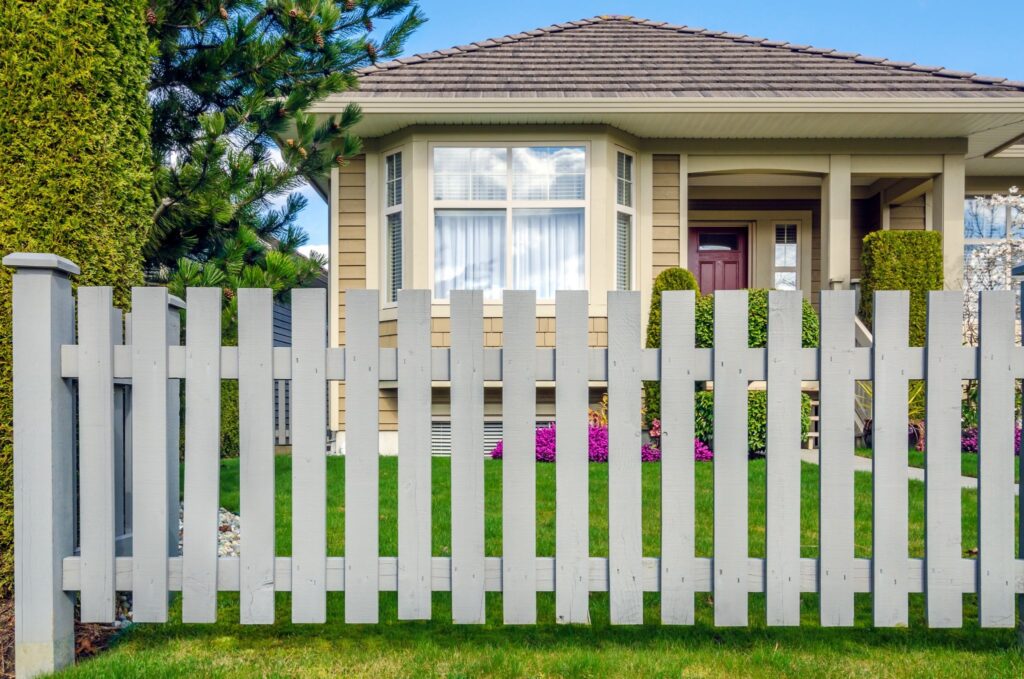
Wood fence styles include picket, privacy, split rail, and shadowbox designs. Picket fences create an open and classic look often used in front yards. Privacy fences use tightly placed boards to block views and reduce outside noise. Split rail fences suit larger properties and provide a rustic appearance. Shadowbox designs allow airflow while offering partial privacy from both sides. This variety makes wood fencing suitable for many residential needs.
Wood Fence Pros and Limitations
Wood fences provide a warm, natural look that blends well with outdoor surroundings. This material often costs less upfront compared to metal or composite options. Homeowners can customize wood through staining or painting to match their preferences. However, wood can wear down over time due to moisture, sunlight, and insects. Regular care helps maintain its strength and appearance. This maintenance commitment should be considered before choosing wood fencing.
Wood Fence Maintenance Requirements
Wood fence maintenance involves sealing, staining, and routine inspections for damage. Protective coatings help prevent moisture absorption and surface cracking. Sun exposure can fade wood, so refinishing keeps the color consistent. Small repairs, such as replacing boards, help extend the fence’s lifespan. Without proper care, wood may warp or weaken over time. This upkeep effort remains necessary for long-term performance.
Vinyl Fence Types and Advantages
Vinyl fences offer a clean, uniform look with minimal maintenance. Many homeowners prefer vinyl for its durability and consistent appearance. This material resists common issues that affect traditional fencing options. Understanding the types of vinyl fence helps determine whether it fits your goals.
Popular Vinyl Fence Designs
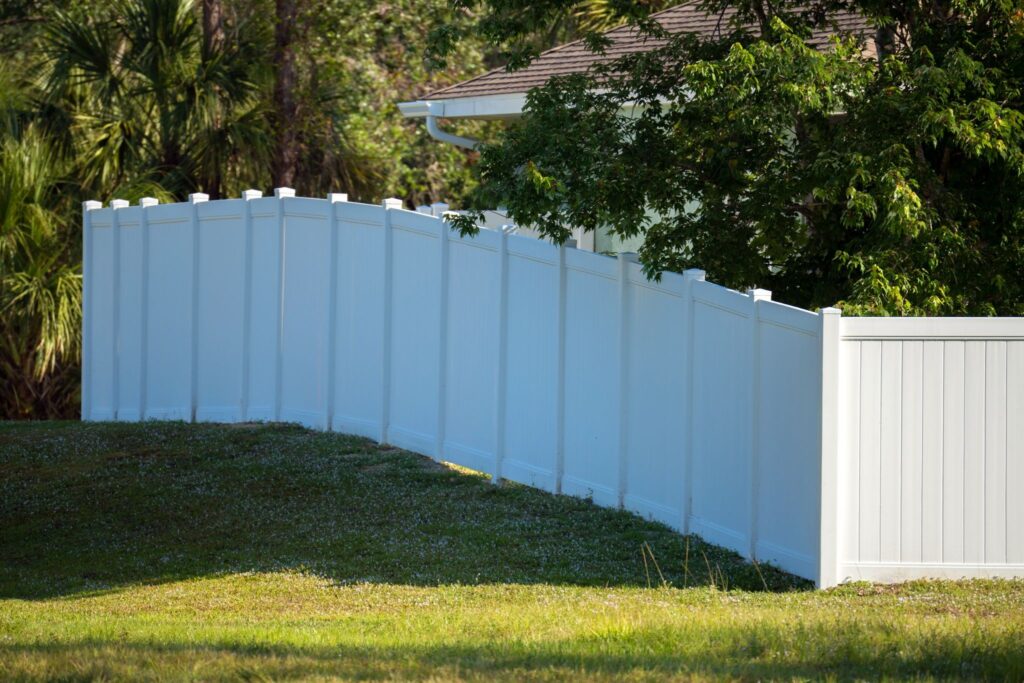
Vinyl fence designs include privacy, semi-privacy, and picket styles. Privacy panels create solid barriers that block visibility and reduce noise. Semi-privacy options allow light and airflow through small gaps. Picket vinyl fences offer a classic appearance without ongoing repainting. Decorative tops and textures can mimic wood while maintaining a uniform finish. This consistency makes vinyl appealing for modern homes.
Vinyl Fence Durability and Value
Vinyl fences resist rot, insects, and moisture better than many materials. This durability reduces the need for frequent repairs or replacements. Cleaning usually requires only water and mild soap for upkeep. Although vinyl costs more initially, it saves money in the long run through lower maintenance costs. Weather resistance also helps maintain its appearance across seasons. This long-term value appeals to homeowners seeking convenience.
Chain Link Fence Types and Benefits
Chain link fences offer a practical solution focused on function and affordability. This option provides security without blocking visibility across your property. Many homeowners choose chain link for quick installation and reliable performance. Understanding its features helps determine if it meets your needs.
Chain Link Fence Functional Uses
Chain link fences work well for enclosing yards and securing outdoor spaces. This design provides clear visibility, helping monitor activity around your property. Pet owners often prefer chain link for safe and contained play areas. Installation tends to be faster, which reduces labor costs. The material adapts easily to uneven terrain or slopes. This flexibility makes chain link a dependable choice for many households.
Chain Link Fence Custom Options
Chain link fences can be customized to improve both function and appearance. Vinyl coatings in darker colors help the fence blend with landscaping. Privacy slats reduce visibility while maintaining airflow through the structure. Height adjustments allow homeowners to increase security where needed. Plants or hedges can soften the fence’s overall look. This adaptability makes chain link more versatile than expected.
Metal Fence Types for Strength
Metal fences offer durability while maintaining an open, refined appearance. Homeowners often choose metal for both protection and style. This category includes options that vary in weight, cost, and maintenance needs. Understanding these differences helps guide your decision.
Aluminum Fence Features and Benefits
Aluminum fences offer a lightweight option that resists rust and corrosion. This material works well in areas with moisture or changing weather conditions. Installation remains simpler than that of heavier metal fencing options. Aluminum requires minimal upkeep, which saves time and effort. Many designs resemble wrought iron without added weight. This balance of durability and convenience suits many homes.
Wrought Iron Fence Characteristics
Wrought iron fences offer a strong, traditional look that stands out visually. This material supports detailed designs that add character to your property. Regular maintenance helps prevent rust and surface wear over time. Painting and inspections keep the fence in good condition. Wrought iron offers greater security due to its strength. This durability makes it suitable for long-term use.
Metal Fence Style and Security Balance
Metal fences combine visibility with protection for residential properties. This design allows you to maintain sightlines while securing your yard. Gates and locks can be integrated for added safety and control. Decorative elements enhance appearance without reducing strength. Proper design choices help match both functional and visual goals. This combination makes metal fencing a reliable option.
Composite and Bamboo Fence Types
Composite and bamboo fences offer alternative solutions with unique benefits. These materials appeal to homeowners seeking sustainability and modern design. Each option offers distinct advantages over traditional fencing. Understanding their features helps you choose the right fit.
Composite Fence Benefits and Limits
Composite fences use recycled materials to create durable and consistent panels. This structure effectively resists rot, insects, and weather-related damage. Maintenance remains minimal since it does not require frequent staining. The initial cost tends to be higher than for wood or chain-link options. Some fading may occur with long-term sun exposure. This balance of durability and cost suits homeowners seeking low upkeep.
Bamboo Fence Natural Advantages
Bamboo fences offer a distinct appearance with natural texture and warmth. This material grows quickly, making it an environmentally friendly option. Bamboo works best in moderate climates. Regular care helps prevent wear and extends its lifespan. Installation requires proper support to maintain stability. This natural style appeals to homeowners seeking a unique look.
How to Choose the Best Fence Type
Choosing the best fence type starts with understanding your needs and priorities. Different fences serve different purposes, from privacy to decoration. This decision affects both short-term costs and long-term satisfaction. Careful planning helps you select a fence that fits your lifestyle.
Plan Fence Budget and Maintenance
Fence budget planning involves comparing upfront costs with ongoing maintenance needs. Some materials cost less initially but require regular upkeep over time. Others require a higher investment but reduce future maintenance expenses. Climate conditions also influence how materials perform over time. Considering these factors helps create a realistic budget. This planning approach supports better long-term decisions.
Match Fence to Property Needs
Matching fence types to your goals helps achieve the best results for your property. Privacy needs may lead you toward solid panel designs. Decorative goals may favor open styles that enhance curb appeal. Yard size and layout also influence which fence works best. Local guidelines may affect height and material choices. This alignment ensures the fence meets both functional and visual expectations.
Explore Better Types of Fences for Your Yard
The right fence shapes how your space feels, functions, and lasts over time. Choosing carefully helps you balance privacy, style, and long-term maintenance without added stress. Small decisions around materials and design often influence comfort and property value more than expected. Work with a reliable fence contractor for guidance, but focus on selecting fence types that truly fit your needs.
Visit the KB Builders LLC blog for clear guidance, real-world tips, and ideas that help you plan with confidence.