Patio Landscaping: What Homeowners Need to Know
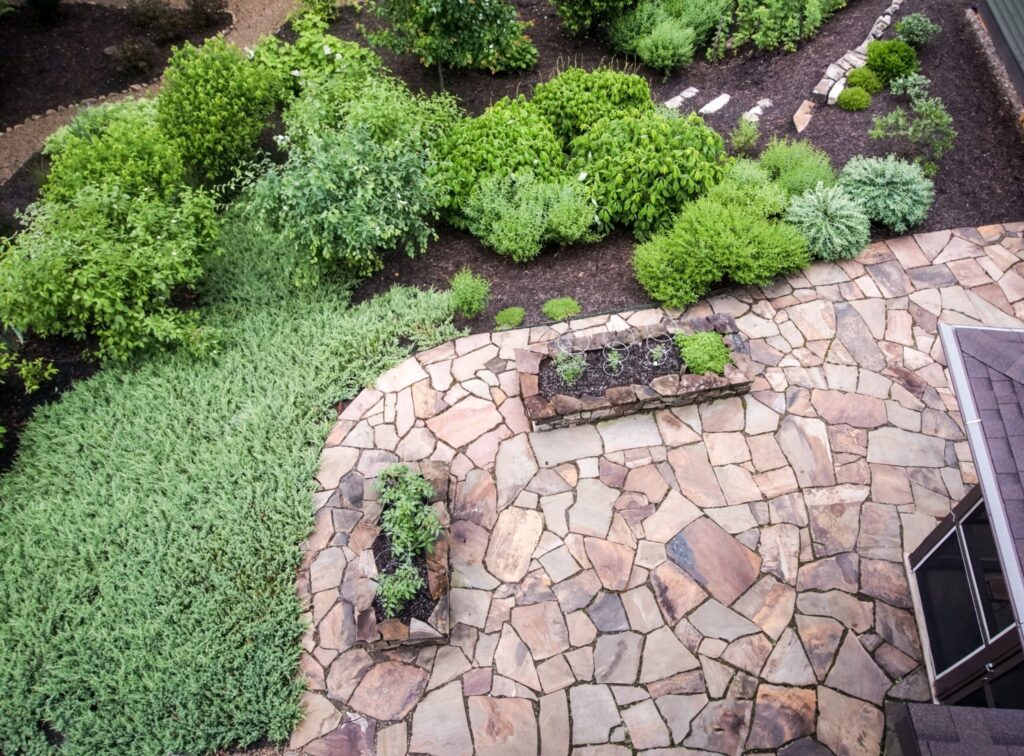
Homeowners often notice their outdoor space feels disconnected from daily living. A bare patio rarely invites people to relax or gather comfortably. Thoughtful outdoor design reshapes that space into something practical and visually appealing. It blends hard surfaces, greenery, and features into a unified outdoor setting. Careful planning turns a simple patio into a place people actually use. Patio Landscaping Basics for Homeowners Patio landscaping is the design of outdoor spaces that combine structure and plant life in a cohesive layout. It answers how a patio should look, function, and feel during everyday use. This approach focuses on layout, materials, and greenery working together. Homeowners who understand these basics make better long-term design choices. What Patio Landscaping Means Patio landscaping means organizing outdoor surfaces, plants, and features into a usable living space. It includes hardscape elements such as pavers, seating areas, and walkways that define the structure. It also involves softscape elements such as plants, shrubs, and decorative greenery that soften edges. This combination creates balance between function and appearance in a backyard setting. Homeowners use this approach to support activities like dining, relaxing, and entertaining guests. A well-designed patio landscaping plan connects indoor comfort with outdoor usability. How Patio Design Affects Use Patio design shapes how often homeowners use their outdoor space and how comfortable it feels. A shaded seating area reduces heat exposure and encourages longer use during warmer months. Similarly, open layouts improve movement and prevent the space from feeling crowded. This layout design helps separate zones for dining, relaxing, and socializing without confusion. Thoughtful plant placement adds privacy without blocking airflow or light. Over time, this design approach improves both enjoyment and property appeal. Smart Patio Landscaping for Modern Homes Outdoor spaces often fall short when design lacks direction and purpose. A patio should support daily routines while offering a place to unwind. Many homeowners struggle to balance comfort, functionality, and visual appeal in a single space. Clear planning and thoughtful choices help avoid wasted space and missed opportunities. The right approach helps homeowners create a patio that works and feels complete. Plan a Functional Outdoor Patio Layout Planning a patio landscape means aligning layout, space, and lifestyle into one clear design direction. It defines how the patio will function during daily use and special occasions. This planning stage prevents costly changes later in the project. Homeowners benefit from a structured approach that considers both current and future needs. Assess Space and Lifestyle Needs Assessing space and lifestyle means understanding how the patio will serve daily routines and gatherings. Homeowners should consider how many people will regularly use the space. Patio size and shape influence furniture placement and walking paths throughout the area. Sun exposure determines where seating, shade, and plants should go for comfort. This climate awareness helps select materials and greenery that perform well over time. A clear understanding of these factors leads to a patio that feels natural and practical. Create a Natural Patio Layout Creating a natural patio layout means arranging elements in a way that feels intuitive and balanced. Walkways should connect spaces without forcing movement or causing confusion. Seating areas, dining zones, and plant sections should visually complement each other. This layout planning prevents overcrowding and allows each feature to stand out clearly. Open space plays a key role in maintaining comfort and ease of movement. A well-structured layout supports both quiet relaxation and group activities. Design for Comfort and Flexibility Designing for comfort and flexibility means preparing the patio for different uses over time. Seating should support long periods of relaxation without discomfort or strain. Flexible arrangements allow homeowners to adjust layouts for gatherings or quiet evenings. This design approach includes shade options, such as pergolas or umbrellas, to control temperature. Wind direction and privacy considerations also shape placement decisions. A flexible patio adapts easily as needs change throughout the years. Select Durable Patio Materials and Surfaces Choosing patio materials means selecting surfaces that balance durability, appearance, and maintenance needs. It directly affects how the patio looks and performs over time. This decision influences long-term costs and overall satisfaction with the space. Homeowners should compare options carefully before finalizing materials. Compare Stone, Concrete, and Pavers Comparing stone, concrete, and pavers helps homeowners choose the best material for their patio landscaping project. Natural stone offers a range of textures and a timeless appearance that suits many home styles. Concrete provides a clean and consistent surface with customizable finishes. Pavers offer flexibility and make repairs easier if sections become damaged. This material comparison highlights differences in cost, installation, and maintenance. Selecting the right option depends on balancing style preferences with practical needs. Balance Durability and Style Balancing durability and style means selecting materials that withstand use while matching design goals. Patio surfaces must handle weather changes, foot traffic, and outdoor conditions without damage. At the same time, they should complement the home’s exterior and landscaping elements. This balance prevents the patio from looking out of place or wearing down quickly. Combining materials can add visual interest without reducing strength. A thoughtful choice supports both appearance and long-term performance. Manage Drainage and Stability Managing drainage and stability means preparing the patio to handle water flow and ground movement. Proper grading directs water away from seating areas and prevents pooling. A stable base reduces shifting, cracking, and uneven surfaces over time. This foundation work plays a critical role in long-term durability and safety. Ignoring drainage can lead to damage that requires costly repairs. A well-prepared surface supports consistent performance in changing conditions. Choose the Right Plants for Your Patio Selecting plants for patio landscaping means choosing greenery that complements the structure and thrives in outdoor conditions. It adds color, texture, and seasonal variation to the space. This plant selection process should match sunlight levels, climate, and maintenance preferences. Homeowners benefit from a balanced mix of greenery and open space. Choose Plants for Patio Conditions Choosing plants for patio conditions means selecting varieties that adapt well to limited soil and sunlight variations. Container
Understanding the Most Popular Types of Fences
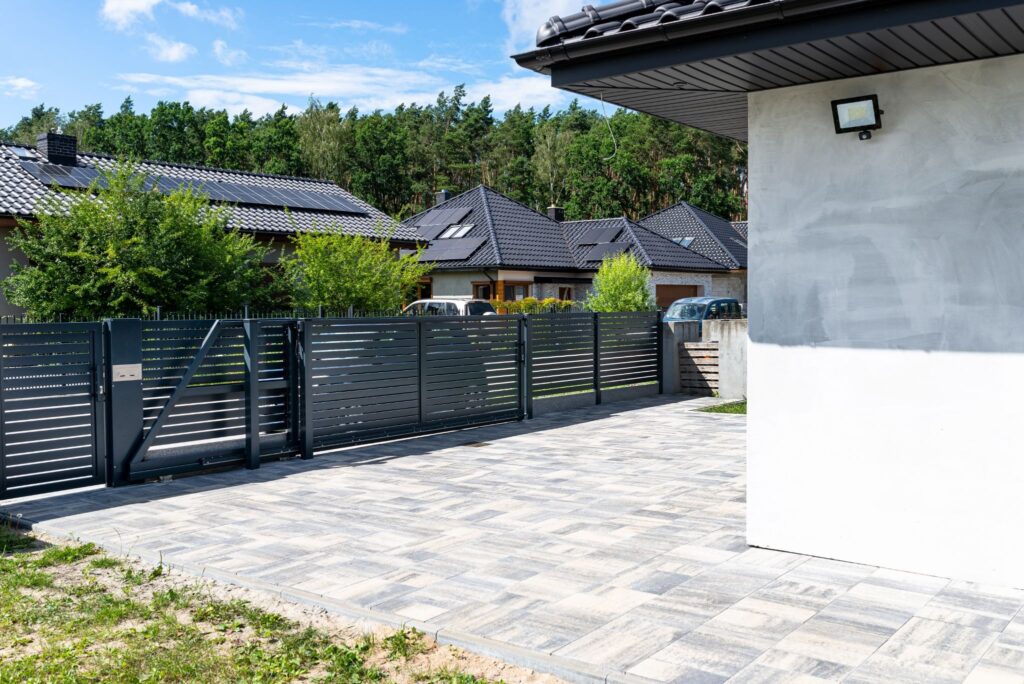
A fence shapes how your home feels on the inside and the outside. It defines your space while adding structure and visual appeal to your yard. Many homeowners feel unsure because each option serves a different purpose. Materials, design, and upkeep all influence how well a fence fits your needs. Knowing the most practicaltypes of fences helps you choose with clarity and confidence. Why Fence Types Matter for Homes Fence types directly affect privacy, safety, and how your property looks to others. A well-matched fence supports daily living while improving long-term value. Different materials and designs meet different homeowner priorities and expectations. Choosing the right option early helps avoid costly changes and ongoing frustration. Privacy and Security Fence Benefits Privacy and security fences create clear boundaries while protecting your household. Solid fence designs limit outside visibility and reduce unwanted attention from nearby areas. Families with pets or children benefit from enclosed spaces that feel controlled and safe. Taller fences often discourage trespassing by adding a physical and visual barrier. Open styles still provide structure while maintaining visibility across the yard. This balance between privacy and openness depends on your comfort level and your property’s layout. Fence Styles and Home Value Impact Fence styles influence how your home appears to visitors and potential buyers. A well-designed fence frames your yard and complements your home’s structure. Buyers often notice fences because they shape first impressions during property visits. Coordinated colors and materials create a polished look that feels intentional. Consistent design also supports neighborhood harmony and visual flow. This detail adds value by improving both function and appearance. Fence Material Affects Long-Term Costs Fence material choices directly influence how much you spend over time. Some materials require frequent repairs, while others last longer with minimal upkeep. Wood may cost less upfront, but it often needs regular sealing and maintenance. Vinyl and metal options usually reduce long-term expenses through durability. Climate and usage also impact how materials perform year after year. This cost awareness helps homeowners make practical and informed decisions. Popular Fence Types for Every Home Fence choices often reflect how you want your space to function and feel. Some homeowners focus on privacy, while others prefer openness and style. Each fencing option offers different strengths that suit specific needs and preferences. Knowing what each type offers makes it easier to understand the options that follow. Wood Fence Types and Uses Wood fences offer flexible designs with a natural appearance that suits many homes. Homeowners choose wood for its adaptability across different yard sizes and layouts. This material offers various styles that serve both decorative and functional purposes. Understanding the types of wood fences helps narrow down the best option for your space. Common Wood Fence Styles Wood fence styles include picket, privacy, split rail, and shadowbox designs. Picket fences create an open and classic look often used in front yards. Privacy fences use tightly placed boards to block views and reduce outside noise. Split rail fences suit larger properties and provide a rustic appearance. Shadowbox designs allow airflow while offering partial privacy from both sides. This variety makes wood fencing suitable for many residential needs. Wood Fence Pros and Limitations Wood fences provide a warm, natural look that blends well with outdoor surroundings. This material often costs less upfront compared to metal or composite options. Homeowners can customize wood through staining or painting to match their preferences. However, wood can wear down over time due to moisture, sunlight, and insects. Regular care helps maintain its strength and appearance. This maintenance commitment should be considered before choosing wood fencing. Wood Fence Maintenance Requirements Wood fence maintenance involves sealing, staining, and routine inspections for damage. Protective coatings help prevent moisture absorption and surface cracking. Sun exposure can fade wood, so refinishing keeps the color consistent. Small repairs, such as replacing boards, help extend the fence’s lifespan. Without proper care, wood may warp or weaken over time. This upkeep effort remains necessary for long-term performance. Vinyl Fence Types and Advantages Vinyl fences offer a clean, uniform look with minimal maintenance. Many homeowners prefer vinyl for its durability and consistent appearance. This material resists common issues that affect traditional fencing options. Understanding the types of vinyl fence helps determine whether it fits your goals. Popular Vinyl Fence Designs Vinyl fence designs include privacy, semi-privacy, and picket styles. Privacy panels create solid barriers that block visibility and reduce noise. Semi-privacy options allow light and airflow through small gaps. Picket vinyl fences offer a classic appearance without ongoing repainting. Decorative tops and textures can mimic wood while maintaining a uniform finish. This consistency makes vinyl appealing for modern homes. Vinyl Fence Durability and Value Vinyl fences resist rot, insects, and moisture better than many materials. This durability reduces the need for frequent repairs or replacements. Cleaning usually requires only water and mild soap for upkeep. Although vinyl costs more initially, it saves money in the long run through lower maintenance costs. Weather resistance also helps maintain its appearance across seasons. This long-term value appeals to homeowners seeking convenience. Chain Link Fence Types and Benefits Chain link fences offer a practical solution focused on function and affordability. This option provides security without blocking visibility across your property. Many homeowners choose chain link for quick installation and reliable performance. Understanding its features helps determine if it meets your needs. Chain Link Fence Functional Uses Chain link fences work well for enclosing yards and securing outdoor spaces. This design provides clear visibility, helping monitor activity around your property. Pet owners often prefer chain link for safe and contained play areas. Installation tends to be faster, which reduces labor costs. The material adapts easily to uneven terrain or slopes. This flexibility makes chain link a dependable choice for many households. Chain Link Fence Custom Options Chain link fences can be customized to improve both function and appearance. Vinyl coatings in darker colors help the fence blend with landscaping. Privacy slats reduce visibility while maintaining airflow through the structure. Height adjustments
Patio vs Deck: What’s the Difference?
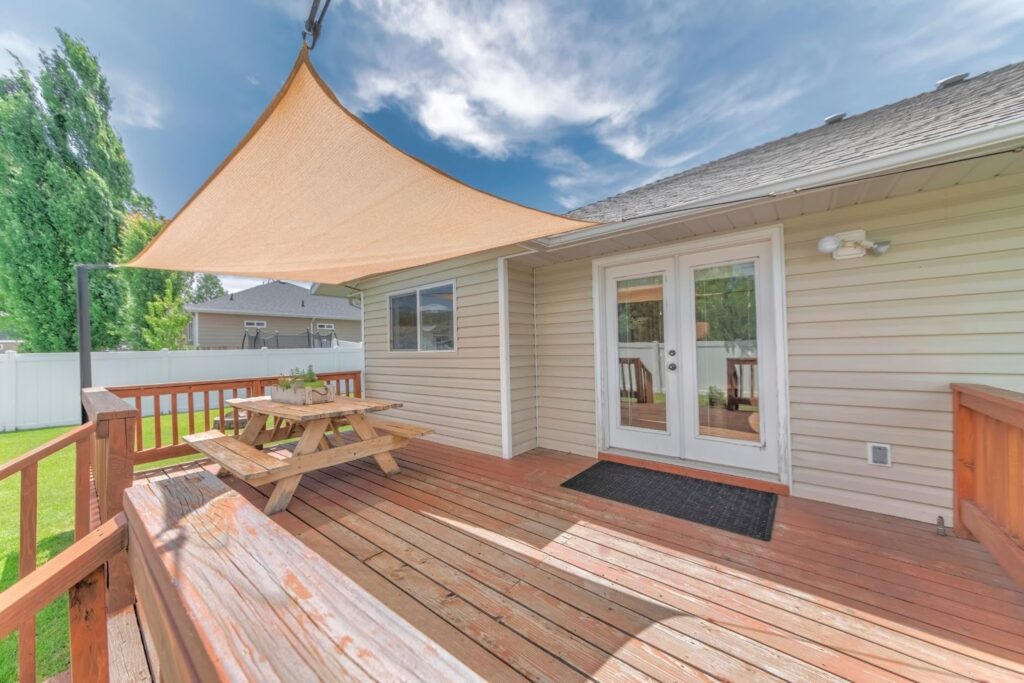
Backyards often become the favorite place for family gatherings, quiet mornings, and weekend meals. Many homeowners consider adding a patio or a deck to expand their outdoor living space. However, the choice between these two structures often confuses planning. Each option offers a different construction style, cost range, and maintenance demand. Understanding the real differences between a patio and a deck helps homeowners create a practical and inviting outdoor area. Patio vs Deck: Key Structural Differences A patio sits directly on the ground, while a deck stands on a raised structural frame. This core difference shapes how each outdoor space functions within a yard. Homeowners often choose based on terrain, house elevation, and desired design. Understanding the structure helps clarify the patio vs deck decision. What is a Patio Structure? A patio is a ground-level outdoor surface built directly on prepared soil. Builders first level the area and install a compacted gravel base for stability. This base layer supports materials such as concrete, brick, or stone pavers. These materials create a solid outdoor surface for seating, dining, and relaxation. Patios blend easily with landscaping because they remain close to garden beds and walkways. Many landscape professionals, including the National Association of Landscape Professionals, recommend patios for flat yards because installation is simpler and they are durable over time. What is a Deck Structure? A deck is an elevated platform supported by beams, joists, and vertical posts. Builders anchor these posts into concrete footings to stabilize the structure. This framing system lifts the deck above ground level. Deck boards are then used to create the walking surface across the frame. Railings usually surround the perimeter to provide safety and visual structure. Homeowners often choose decks when the house sits above ground level or when the yard slopes downward. Patio vs Deck Construction Differences The patio vs. deck difference is clearest in the building method. Patio construction focuses on soil preparation and base stability rather than structural framing. This foundation process includes excavation, gravel compaction, and surface leveling. Deck construction relies on structural engineering to support the weight above the ground. This framework system uses beams, joists, and posts anchored to concrete footings. Because of this structural design, decks adapt well to uneven terrain while patios perform best on level ground. The Difference Between Patios and Decks Patios and decks both expand outdoor living space, yet their structure and function differ in practical ways. Homeowners often compare these features when planning a backyard upgrade or renovation. Each option interacts differently with terrain, weather exposure, and construction methods. Understanding these differences helps explain why certain yards benefit more from a patio, while others benefit more from a deck. Materials Used for Patios and Decks Outdoor materials shape the durability, appearance, and maintenance needs of backyard structures. Homeowners often choose materials based on climate, budget, and design preferences. Patios and decks rely on different construction materials because their structures function differently. Understanding these material options helps homeowners select surfaces that perform well over time. Common Materials for Patios Concrete remains one of the most widely used patio materials for residential outdoor spaces. Builders often pour or stamp concrete to create textured finishes that resemble natural stone. Pavers also appear frequently because they create decorative patterns and flexible layouts. Natural stone, such as slate or flagstone, provides organic texture and long-lasting durability. Brick patios offer a traditional appearance that complements classic home architecture. These patio materials resist weather exposure and remain stable when installed on a well-prepared base. Common Materials for Decks Wood remains the traditional material used in residential deck construction. Pressure-treated lumber protects against moisture and insect damage during outdoor exposure. Cedar and redwood provide natural beauty and moderate resistance to decay. Composite decking combines recycled plastics with wood fibers to create durable boards. This composite material resists fading, cracking, and insect damage better than untreated lumber. Many homeowners choose composite decking because it reduces maintenance demands over time. Durability and Lifespan of Materials Patio materials often last several decades with routine cleaning and basic care. Concrete and stone surfaces resist structural movement when installed on compacted gravel bases. This ground-level stability helps patios maintain their shape for many years. Deck materials are exposed to greater wear because the structure sits above ground. Wooden boards may expand, contract, or fade after repeated weather cycles. Composite boards often extend lifespan because manufacturers design them to withstand moisture and UV exposure. How Patios and Decks Are Built Construction methods differ because patios rest on the ground while decks rely on structural framing. Each installation process requires specific preparation steps before building begins. Contractors usually evaluate terrain, drainage, and house elevation before recommending a structure. Understanding the construction process helps homeowners anticipate costs and project timelines. Steps in Patio Installation Patio construction begins with clearing the site of grass, roots, and loose soil. Contractors excavate several inches of soil to create space for base materials. This excavation step allows builders to install a compacted gravel foundation. Sand or mortar then forms a leveling layer above the gravel base. Workers place pavers, brick, or stone carefully across the prepared surface. Proper leveling and joint filling help the patio remain stable and visually consistent. Steps in Deck Construction Deck construction begins with installing concrete footings beneath the ground surface. These footings anchor vertical support posts that carry the structure’s weight. Builders attach beams and joists to create the structural frame. This framework supports decking boards that form the walking surface. Railings and stairs complete the structure and improve accessibility. Proper framing helps the deck remain stable while supporting furniture, gatherings, and outdoor activity. Cost Differences Between Patios and Decks Budget often influences the choice between a patio and a deck. Construction complexity and material selection shape the overall project cost. Labor requirements also vary depending on terrain and design features. Understanding cost differences helps homeowners plan realistic budgets for outdoor renovations. Average Cost of Building a Patio Patios usually cost less because the structure does not require
Affordable Patio Design Ideas to Upgrade Your Backyard
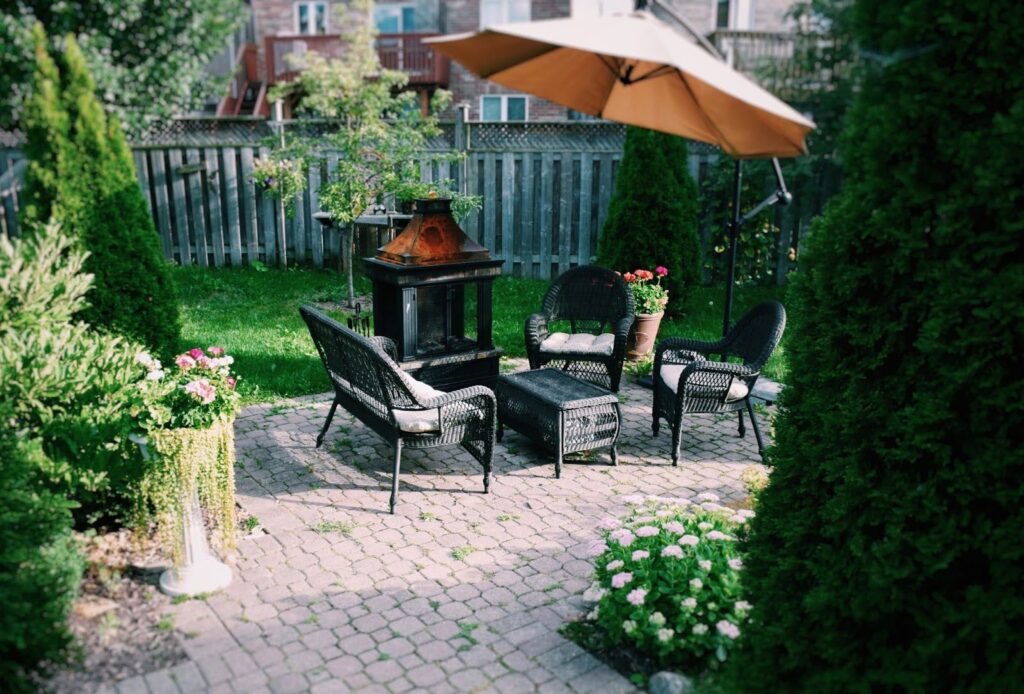
A smart patio design turns an ordinary backyard into a functional living space. Many homeowners want a stylish outdoor area but worry about rising renovation costs. Affordable materials and careful planning deliver impressive results without overspending. A well-executed patio layout enhances property appeal and improves daily comfort. With the right approach, patio upgrades deliver value, usability, and long-term satisfaction. Smart Patio Design Planning on a Budget Patio design planning starts with a clear layout and defined priorities. You need to understand your space before choosing materials or features. A thoughtful plan reduces waste and prevents costly revisions later. This structured planning process keeps your backyard renovation focused and financially manageable. Evaluate Backyard Layout and Site Conditions A backyard evaluation identifies size limits, sun exposure, and drainage patterns. Measure the space carefully and map out entrances, walkways, and nearby structures. Observe how sunlight shifts during the day to determine ideal seating placement. Check soil stability and slope to avoid water pooling after heavy rain. Consider privacy from neighbors and street visibility when positioning the patio. This assessment stage provides a reliable foundation for all subsequent design decisions. Create a Realistic Patio Renovation Budget A realistic patio budget helps you determine what you can build without straining your finances. Start by listing essential features such as flooring, seating, and lighting. Research local material prices and, if needed, compare contractor estimates; reserve funds for preparation work such as grading and base installation. Allocate a contingency amount for unexpected site adjustments. This budgeting strategy keeps your patio design aligned with both style goals and practical limits. Decide Between DIY and Professional Work A clear division between DIY tasks and professional services protects your investment—simple projects like spreading gravel or assembling furniture suit most homeowners. Structural work, such as concrete pouring or electrical wiring, requires licensed expertise. Compare labor costs with your available time and skill level. Mistakes in foundational work often lead to higher expenses later. This decision process helps you maintain quality without overspending. Cost-Effective Patio Design for Modern Backyards A well-designed patio does more than fill empty yard space; it creates a purposeful outdoor extension of your home. Homeowners today seek practical upgrades that improve comfort without inflating renovation budgets. Smart design decisions enable the integration of style, durability, and affordability into a cohesive plan. The following strategies explain how thoughtful patio improvements can deliver long-term value while staying financially realistic. Smart Outdoor Surface Choices Outdoor surface materials determine durability, comfort, and visual cohesion. The right flooring balances cost, performance, and maintenance requirements. Homeowners can achieve a refined look without spending premium prices on stone. This surface selection decision shapes how the backyard feels and functions day-to-day. Stamped and Stained Concrete Finishes Stamped concrete replicates natural-stone textures at a lower cost. Contractors press patterns into wet concrete for visual depth. Staining introduces color variation without installing separate materials. Textured finishes improve traction during wet conditions. Concrete generally costs less than quarried stone options. This surface treatment provides long-term durability with manageable upkeep. Gravel and Crushed Stone Surfaces Gravel provides one of the most economical ground treatments available. A compacted base layer supports stability and prevents shifting. Pea gravel offers comfort for casual seating areas. Defined edging maintains clean boundaries and prevents displacement. Gravel drains efficiently after heavy rainfall. This flexible surface works well for relaxed backyard layouts. Interlocking Pavers and Reclaimed Brick Interlocking pavers combine resilience with straightforward maintenance. Individual units can be replaced without disturbing the entire surface. Reclaimed brick adds warmth and character at a lower cost. Both materials allow custom pattern arrangements. A properly compacted base prevents uneven settling. This adaptable flooring approach balances strength and visual appeal. Weather-Ready Backyard Planning Weather-responsive planning protects materials and extends their usable life. Temperature swings and rainfall levels influence surface performance. Regional awareness reduces long-term repair expenses. This climate-conscious strategy supports lasting outdoor investment. Prepare for Freeze-Thaw and Rain Freeze-thaw cycles stress concrete and paver installations. Water enters cracks and expands when temperatures drop. Install a well-compacted gravel base to promote drainage. Slight slopes guide runoff away from the home structure. Sealing surfaces reduces moisture absorption. This preventative approach limits cracking and structural wear. Reduce Heat and UV Damage Extended sun exposure affects both flooring and furnishings. Dark surfaces retain heat, making them uncomfortable underfoot. Choose lighter tones to reflect sunlight effectively. Select UV-resistant fabrics to prevent fading. Provide shade structures to reduce surface temperature. This sun-aware preparation improves comfort and longevity. Reinforce Against Wind and Coastal Air Wind-prone areas require secure anchoring systems—lightweight furniture shifts easily during strong gusts. Coastal air accelerates corrosion on untreated metals. Use powder-coated or stainless materials in these environments. Secure pergolas with hardware rated for wind load. This environmental preparation strengthens structural stability. Structural Essentials for Lasting Value Structural integrity determines how well outdoor installations perform over time. Surface appearance cannot compensate for weak groundwork. Proper preparation prevents shifting, cracking, and drainage issues. This construction-focused attention protects home equity. Build a Compacted Base Foundation Excavation begins by removing organic soil layers. Install crushed stone in compacted layers for stability. Mechanical compaction prevents uneven settling later. Skipping this step often leads to structural movement. Stable foundations reduce long-term maintenance costs. This groundwork directly influences surface durability. Manage Drainage and Surface Slope Effective drainage directs water away from foundations. A gentle slope prevents pooling after rainfall. Standing water accelerates surface deterioration. Gravel borders assist with runoff control. Drainage channels handle heavy storm flow. This runoff management strategy preserves structural integrity. Plan for Expansion and Soil Movement Concrete expands and contracts with temperature changes. Install expansion joints to safely accommodate movement. Paver systems require edge restraints to limit shifting. Soil composition influences surface stability over time. Clay-heavy soils expand when saturated. This movement-aware planning reduces cracking risks. Smart Outdoor Furniture Selection Furniture selection influences comfort and functionality. Strategic choices maximize usable space in compact yards. Durable materials reduce replacement frequency. This thoughtful arrangement supports long-term satisfaction. Select Weather-Resistant Materials Powder-coated steel resists rust effectively. Resin wicker requires minimal
Top Deck Ideas for 2026
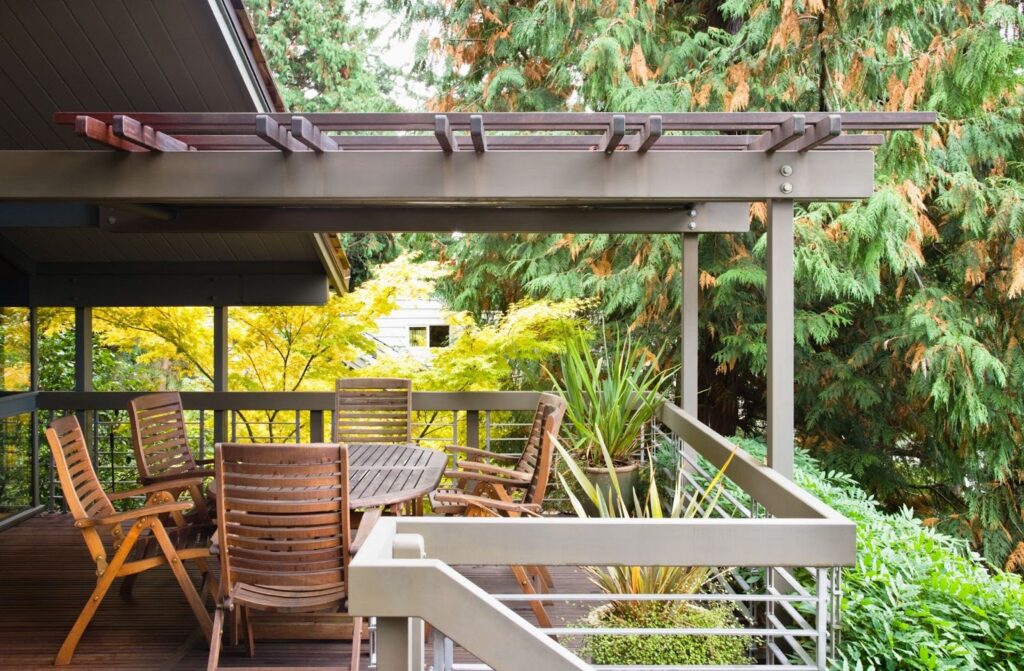
Outdoor spaces now shape how homeowners experience comfort. Many families want more than a simple backyard platform. They look for smart deck ideas that support daily routines, gatherings, and quiet moments. Design decisions now reflect durability, technology, and long-term value rather than surface trends. Thoughtful planning turns a basic structure into a purposeful space that truly enhances outdoor living. How to Plan a Deck That Fits Your Lifestyle Planning a deck that fits your lifestyle means defining how you will use the space before choosing materials or features. Many homeowners focus on design trends without clarifying daily habits and long-term goals. This planning process shapes decisions on size, layout, and budget from the beginning. Clear lifestyle priorities prevent costly changes during construction. Define Daily Use vs. Entertaining Needs Daily use and entertaining require different space allocations and layouts. Families who dine outdoors regularly need comfortable seating and shade coverage. This routine demands practical furniture placement and easy kitchen access. Homeowners who host large gatherings require wider traffic paths and flexible seating zones. Measuring average guest counts helps determine deck dimensions accurately. These usage patterns guide structural planning before aesthetic decisions begin. Consider Privacy and Property Layout Privacy influences comfort more than many homeowners expect. Nearby neighbors, street visibility, and elevation changes affect the deck’s perceived exposure. This property layout should guide the selection of railing heights, screen placement, and landscaping choices. Strategic planter walls or slatted panels create separation without blocking airflow. Orientation toward natural views enhances enjoyment while minimizing unwanted sightlines. Thoughtful positioning improves relaxation and long-term satisfaction. Map Sun, Shade, and Wind Patterns Sun exposure directly impacts comfort and material performance. Observing your yard at different times of day reveals the intensity of the heat and the movement of shadows. This awareness helps position seating and cooking areas effectively. Wind direction also affects fire features, grills, and lightweight furniture. Covered sections or adjustable pergolas improve usability in varying weather conditions. Careful environmental mapping prevents discomfort after installation. Align Budget With Long-Term Goals Budget alignment starts with prioritizing long-term value over short-term savings. Homeowners should distinguish between core structural needs and optional upgrades. This distinction clarifies where to invest in durability and where to simplify finishes. Phased construction can spread costs while maintaining structural integrity. Consulting experienced builders helps forecast realistic expenses and timelines. A financially grounded plan supports smarter design decisions across the project. Innovative Deck Concepts for 2026 Homes Homeowners expect more than a simple raised platform behind the house. Outdoor spaces now serve as dining rooms, work zones, and relaxation areas year-round. This shift in expectations drives demand for smarter layouts, stronger materials, and climate-aware construction. The following design strategies and structural decisions shape today’s most forward-thinking deck builds. Modern Outdoor Living Designs for 2026 Modern outdoor spaces reflect how homeowners live today. Families expect flexibility, comfort, and durability in one cohesive layout. This shift drives demand for designs that support daily use rather than occasional use. The following ideas show how functional planning shapes next-generation backyard spaces. Create Outdoor Rooms With Defined Zones Creating defined zones turns a single platform into multiple usable spaces. Designers separate dining, lounging, and cooking areas with built-in benches or planters rather than walls. This layout supports hybrid work, casual meals, and evening relaxation without feeling crowded. This year, homeowners prefer structured layouts because they increase usability and resale appeal. Clear zoning also improves traffic flow during gatherings. These intentional divisions make outdoor areas feel organized and purpose-driven. Extend Interior Style Outdoors Extending the interior style outdoors creates visual continuity between the home and the yard. Matching flooring tones or complementary finishes strengthens the connection. Large sliding doors enhance access and increase indoor natural light. Seamless transitions remain popular because homeowners value expanded living space without structural additions. Covered thresholds protect entry points while maintaining airflow. This design approach makes outdoor areas feel integrated rather than separate. Add Covered Structures for Year-Round Use Covered structures protect seating areas from harsh sun and seasonal rain. Pergolas, retractable awnings, and partial roofs improve comfort without enclosing the space. This adaptability suits changing climate patterns and extended outdoor seasons. Homeowners prioritize longer usability over shorter periods. Integrated heaters and ceiling fans add further climate control. These upgrades increase functional value beyond summer use. Eco-Conscious Material Choices for 2026 Sustainability remains a central priority for modern homeowners. Material selection now reflects environmental awareness and long-term savings. This trend influences both aesthetics and performance standards. The following material ideas align with responsible construction practices in 2026. Choose Low-Maintenance Composite Materials Composite boards combine recycled plastics and reclaimed wood fibers for durability. Manufacturers design them to resist moisture, fading, and insect damage. This performance reduces maintenance requirements compared to traditional lumber. Busy homeowners favor low-maintenance materials that preserve appearance over time. Many brands also publish sustainability data to support responsible production claims. These features make composite decking ideal for long-term value. Use Certified Wood for Natural Appeal Certified wood offers traditional warmth while supporting responsible forestry practices. Lumber sourced from managed forests reduces environmental impact. This certification assures buyers that harvesting standards are ethical. Consumers increasingly evaluate product transparency before purchasing materials. Cedar and redwood naturally resist decay and insects. With proper sealing, these woods provide beauty and durability. Install Solar Lighting for Energy Savings Solar lighting systems convert sunlight into stored power for nighttime use. Post caps and stair lights operate independently from home wiring. This setup lowers electricity consumption and installation costs. In 2026, energy efficiency remains a strong purchasing factor for homeowners. LED technology further reduces power usage while improving brightness. These systems combine sustainability with enhanced nighttime ambiance. Strong Structural Upgrades for 2026 Builds Structural upgrades protect homeowners from safety risks and long-term damage. Many outdoor projects fail due to overlooked engineering details. This reality increases demand for code-compliant framing and reinforcement. The following improvements strengthen durability for modern backyard builds. Reinforce Framing for Heavy Features Reinforced framing supports heavier additions, such as hot tubs or outdoor kitchens. Builders upgrade beams
What Deck Materials Are Best for Your Climate?
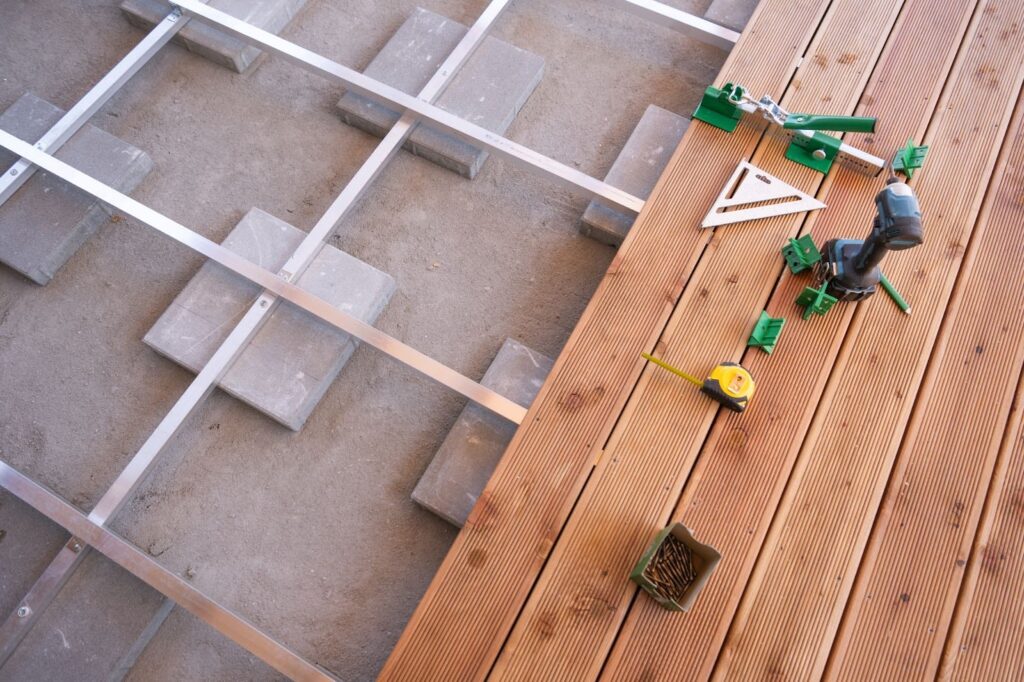
Deck materials affect far more than appearance, especially once weather becomes part of daily life. Sun exposure, humidity, freezing temperatures, and seasonal storms all influence how a deck feels, ages, and holds up over time. Many homeowners realize too late that a beautiful deck can become uncomfortable, costly, or unsafe when they ignore climate factors. The right materials reduce maintenance stress and protect long-term value. Choosing with climate in mind leads to outdoor spaces that remain reliable, comfortable, and enjoyable year after year. How Climate Affects Deck Material Performance Climate determines how deck materials respond to daily environmental pressure, not just extreme weather events. Heat causes expansion, moisture encourages decay, and cold introduces cracking risks that compound over time. When materials fail to match local conditions, damage accelerates quietly until repairs become unavoidable. Understanding these interactions allows homeowners to select surfaces built to handle their surroundings. Moisture Impact on Deck Materials Moisture changes how deck materials behave at a structural level. Wood absorbs water through its fibers, which leads to swelling, warping, and eventual softening if left untreated. Prolonged dampness creates ideal conditions for mold and mildew, especially in shaded areas. Composite and PVC materials resist water intrusion because they contain minimal or no organic material. That resistance helps boards maintain shape during frequent rain. In wet climates, moisture control reduces cleaning demands and slows long-term deterioration. Temperature Changes and Deck Stress Temperature shifts place steady strain on deck boards and fasteners. Materials expand in heat and contract as temperatures drop, creating constant movement. Wood responds more dramatically than engineered alternatives, leading to increased cracking and joint loosening. In colder regions, untreated lumber becomes brittle during freezing conditions. Synthetic materials tolerate seasonal changes better when installed correctly. Stable temperature performance supports both structural integrity and surface appearance. Sun Exposure and Surface Wear Sunlight gradually breaks down deck surfaces through ultraviolet radiation. Natural wood loses its protective oils, leading to drying and visible fading. Without regular sealing, boards splinter and feel rough underfoot. Composite decking resists UV damage more effectively, though surfaces still warm under direct sun. Lighter colors reflect heat better and improve comfort. Sun exposure influences both usability and long-term aesthetics. Best Wood Deck Materials for Dry Climates Dry climates reduce moisture-related threats but still challenge deck materials in other ways. Low humidity limits rot but increases drying and cracking risks. Wood performs more predictably in these regions when properly selected. Species choice plays a critical role in durability. Pressure-Treated Lumber in Arid Areas Pressure-treated lumber remains a common choice in dry climates due to affordability and availability. Preservative treatments protect against insects and decay, even when moisture levels fluctuate. Dry air reduces internal water retention, slowing the development of rot. Without sealing, surface cracks still appear over time. Routine inspections help prevent minor damage from spreading. This option fits homeowners seeking value with manageable upkeep. Cedar Decking for Mild Weather Cedar performs well in mild, dry regions due to its natural resistance. Built-in oils discourage insects and slow moisture absorption. Stable climates help preserve these oils longer. Sun exposure causes gradual color fading without protective finishes. Cedar remains comfortable underfoot during warm weather. Many homeowners appreciate its balance of performance and visual warmth. Redwood Deck Boards and Stability Redwood thrives in climates with predictable weather patterns. Dense grain structure limits moisture intrusion and surface distortion. Mild conditions help maintain its deep color and strength. Sealing protects against surface checking caused by sun exposure. While costs run higher, service life improves with care. Visual appeal remains a key advantage for residential decks. Deck Materials for Wet and Rainy Climates Wet climates place constant stress on deck materials through repeated saturation. Rain accelerates decay, loosens fasteners, and encourages biological growth. Non-porous surfaces perform better under these conditions. Modern materials reduce moisture-related maintenance challenges. Composite Decking for Rainy Regions Composite decking combines recycled fibers with plastic polymers for moisture resistance. This structure blocks water absorption that causes rot in traditional wood. Boards remain stable during heavy rainfall. Mold growth stays limited with basic cleaning. Surface consistency improves safety in slick conditions. Homeowners often choose composite for durability with reduced upkeep. PVC Decking for Damp Environments PVC decking contains no organic materials, eliminating the need for rot protection. Water exposure does not affect structural integrity. Mold and mildew remain minimal even in humid climates. Boards maintain shape through prolonged wet seasons. Slip-resistant textures improve safety after rain. PVC suits regions with frequent precipitation. Drainage Design for Wet Climates Material performance improves when paired with proper drainage design. Adequate spacing allows water to flow off the surface. Elevated framing increases airflow beneath boards. Sloped layouts prevent pooling that accelerates decay. Corrosion-resistant fasteners protect structural connections. Good drainage supports long-term durability. Cold Climate Deck Materials That Last Cold climates introduce freeze-thaw cycles that stress deck materials differently. Snow accumulation adds weight while ice increases moisture exposure. Materials must tolerate movement without cracking. Proper selection limits winter damage. Composite Decking in Freezing Temperatures Composite decking handles winter conditions with minimal structural change. Low moisture absorption reduces freeze-related expansion. Boards support snow loads effectively when installed correctly. Expansion gaps allow seasonal movement. Darker colors absorb winter sunlight, aiding snow melt. Composite performs reliably in cold regions. Hardwood Decking for Cold Regions Hardwoods offer strength and dense fiber structure suited for cold climates. Insect activity remains low during long winters. Moisture control becomes critical during snowmelt periods. Sealing protects surfaces from checking and splitting. Higher material costs accompany increased durability. Proper care extends service life considerably. Framing and Fasteners in Cold Weather Cold climates demand attention beyond surface boards. Pressure-treated framing resists moisture damage from melting snow. Stainless or coated fasteners prevent corrosion. Proper joist spacing supports heavy winter loads. Expansion gaps reduce buckling risks. Structural planning supports surface material longevity. Deck Materials for Hot and Sunny Climates Hot climates stress deck materials due to prolonged exposure to heat. Surface temperature affects comfort and safety for bare feet. Sunlight accelerates fading and drying. Heat-resistant options improve
How to Choose the Right Deck Design for Your Backyard Layout
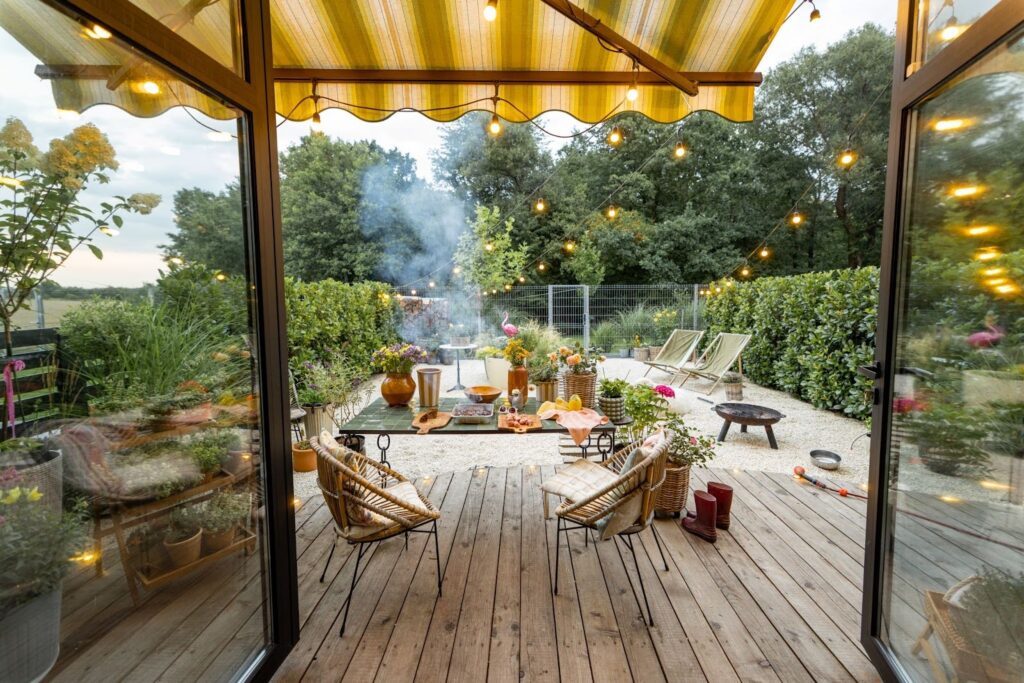
Backyard spaces shape how people rest, gather, and enjoy their homes each day. Many homeowners know they want a comfortable outdoor area, but struggle with the design choices that guide the final layout. A clear plan helps narrow options and creates a deck that feels natural with the yard and the home. Smooth transitions between indoor and outdoor areas make daily routines easier and more enjoyable. Careful planning supports a deck that adds steady comfort and purpose to the property. How Deck Design Shapes a Backyard Layout A well-designed deck connects the yard to the home in a clear, practical way. A backyard layout gains order when the deck supports movement and gives each zone an easy role. Homeowners can design with confidence when they match the deck’s shape to how they use their outdoor space. An innovative approach turns confusing options into a layout that feels natural and steady. Assessing Your Yard’s Size and Shape A clear understanding of the yard’s shape helps guide the deck footprint. Narrow spaces benefit from stretched layouts that follow the home’s lines without feeling tight. Wide yards allow zoned layouts for seating, cooking, or play without creating clutter. Sloped yards often support multi-level decks that follow the terrain in a stable pattern. Proportional choices prevent the deck from overpowering the yard or feeling too small. A balanced design supports function and comfort throughout daily use. Matching Deck Style to Home Architecture A deck that matches the home’s architecture keeps the property visually unified and comfortable. Modern homes favor clean forms and slim railings that suit straight lines. Classic homes respond well to warm wood tones and trim that echo the structure’s details. Color harmony helps the deck blend rather than feel like a separate piece. Material textures also influence how the deck appears beside the home. A unified look improves curb appeal and long-term comfort for homeowners. Planning Smooth Traffic Flow A streamlined traffic flow helps the deck support easy movement between the house and the yard. Doors should open into areas that do not block seating or stairs. Stairs should be placed so people can move without crowding or turning sharply. Cooking and dining zones should be located in areas that facilitate easy access. Sightlines guide where to place furniture so paths stay open. A strong flow keeps the deck pleasant for both quiet days and gatherings. Choosing a Deck Design That Fits Your Lifestyle Lifestyle choices help shape the deck’s structure, scale, and layout. A space used for quiet moments needs different features than a space used for hosting friends. Family needs add another layer that shapes zones, railings, and details. A lifestyle-focused plan makes the helpful deck year-round. Layouts for Daily Relaxation Deck layouts designed for quiet comfort include shade, privacy, and steady flow. Shade structures or tall planting areas help soften intense light. Short paths between indoor and outdoor zones support simple daily routines. Even small decks can host calm seating when planned with care. Privacy screens keep the space quiet without a heavy enclosure. A relaxation deck thrives when the layout supports low-stress movement and rest. Designs for Social Gatherings Gathering-focused decks need open space, clear paths, and stable zones for cooking and seating. Grilling areas should sit near indoor kitchens to simplify food prep. Dining zones should avoid blocking movement or doors. Long or wide layouts help groups move without stepping over chairs. Slim railings keep views open for conversation and connection. Hosting becomes easier when each area supports its task without crowding. Features for Growing Families Family-friendly decks need sturdy surfaces, wide stairs, and edges that feel safe. Lower deck heights offer parents peace of mind while maintaining a consistent style. Smooth steps help kids move safely between indoor and outdoor spaces. Built-in storage allows parents to keep outdoor toys neat. Rail spacing should match child safety needs. A family deck becomes a reliable extension of the home when it supports both play and rest. Planning for Pet Owners Pet-focused decks benefit from safety gates, durable surfaces, and shade. Gates keep pets within the yard without limiting people’s movement. Scratch-resistant materials help maintain the deck’s look over time. Shade helps pets rest on warm days. Slat spacing should match pet size for security. A hose-friendly layout makes it easy for owners to clean the deck. Selecting Deck Materials That Support the Design Material choice affects cost, look, texture, and long-term care. Wood and composite remain the two most common options, and each offers unique value for different climates. Color and grain patterns shape the deck’s connection to the yard and home. A smart material plan supports both durability and design goals. Comparing Wood and Composite Deck Boards Wood boards provide warmth and natural grain that many homeowners love. Composite boards offer strong durability, low upkeep, and steady color. Wood may need staining to maintain strength and appearance. Composite resists moisture and stays smooth through seasonal shifts. Each option fits different budgets and comfort levels with maintenance. Homeowners gain clarity by comparing lifespan, care needs, and style goals. Railing Options That Balance Safety and Style Railing decisions guide safety, visibility, and overall style. Metal railings offer slim profiles that open expansive views across the yard. Wood railings feel warm but need more care through the seasons. Composite railings give consistent color and simple maintenance. Glass panels support modern homes and preserve full sightlines. Height and spacing define how safe and open the deck feels. Each railing style should blend with both the house and the yard. Decking Choices for Local Weather Patterns Climate shapes how materials behave throughout the year. Humid regions may accelerate wood’s wear unless it is cared for. Composite remains stable in heat and moisture, making it a strong choice in many areas. Cold climates often need materials that resist freeze cycles. Intense sun exposure calls for fade-resistant surfaces. Climate-fit material planning promotes long-term strength and steady comfort. Hardware and Fasteners for Lasting Stability Hardware choices keep the deck strong and safe. Hidden
Why Professional Installation Matters When Building New Decks

Adding a new deck should feel like an upgrade to your outdoor living, not a worry about wobbling railings or shifting boards a year later. While it is tempting to take a do-it-yourself approach, professionally installed decks are built with a level of precision, code knowledge, and structural planning that is very hard to match without experience. A contractor understands how soil conditions, load requirements, and local regulations affect even a simple-looking platform. They also know how to sequence the work so the project stays on schedule and the final result feels solid underfoot. When you invest in professional installation, you are not just paying for labor—you are paying for long-term safety, performance, and peace of mind every time you step outside. Why Professional Installation Sets New Decks Up For Long-Term Success The early stages of building decks are the least visible but often the most important. Professional installers start by evaluating the site, checking grading, drainage patterns, and access points to determine where the structure will perform best. They confirm that the design accounts for how many people will typically use the space, whether there will be a hot tub, outdoor kitchen, or heavy planters, and how the deck will tie into the home’s existing structure. From there, they choose materials and hardware that match your climate and maintenance preferences, rather than relying on guesswork. All of these decisions are made before the first footing is poured, setting the tone for a sturdy, dependable build rather than a series of on-the-fly adjustments. How Design Expertise Shapes Decks Around Your Home and Lifestyle One of the most significant advantages of hiring professionals is that they design decks to work with how you actually use your outdoor space. Instead of building a simple rectangle and calling it done, they think through traffic flow from doors, steps, and walkways, as well as sightlines from inside the house. They can recommend multi-level layouts, integrated seating, or privacy features that make the space more comfortable and functional. A well-designed deck considers where the sun falls throughout the day, which areas need shade, and how to maintain views without sacrificing safety. With professional planning, your deck feels like a natural extension of your home rather than an afterthought tacked onto the back. Aligning Layout With Daily Routines A contractor looks at how you move between the kitchen, yard, and seating areas. This helps them position stairs, railings, and zones so the deck supports your everyday habits. Choosing Materials Professionals can explain the pros and cons of wood, composite, and railing systems in plain language. Their guidance helps you balance appearance, budget, and future maintenance. Structural Safety and Support Systems For Modern Decks The strength of decks depends on much more than the boards you see on top. Proper footing depth, beam sizing, joist spacing, and hardware selection all play a critical role in how the structure performs under real-world loads. Professional installers calculate spans and loads in accordance with code, accounting for snow, wind, and occupancy, so the deck does not bounce, sag, or shift over time. They know where to place posts to distribute weight evenly and how to anchor ledgers correctly so they do not pull away from the house. These details may not be evident in casual online tutorials, but they are second nature to experienced crews who build decks every day. Handle Real-World Loads Contractors design for more than just a few chairs and a grill. They plan for gatherings, changing weather, and the added weight of future features you may want to add. The Right Hardware From structural screws to connectors and brackets, professionals select hardware that resists corrosion and movement. This attention to detail keeps the frame tight and reliable for years. Deck Codes, Permits, and Inspections Decks are often considered part of a home’s structural system, which means they must meet local building codes and zoning rules. Professional installers understand which permits are required, what drawings need to be submitted, and how to respond to inspection comments. Ignoring these requirements can lead to fines, forced repairs, or serious safety issues down the road. By working with a contractor, you gain an ally who speaks the same language as inspectors and code officials. They know how high railings must be, how far apart balusters can be, and what guards are needed at elevated edges so the deck is safe for children, guests, and future buyers. The Right Side Of Regulations A contractor tracks changes in local codes and applies them to your design. This reduces the risk of surprise corrections or failing an inspection at the last minute. Protecting Future Resale Value When you eventually sell, buyers and inspectors look closely at exterior structures. A properly permitted, inspected deck supports a smoother transaction and fewer negotiations. How Professional Deck Installation Elevates Look and Finish Beyond safety and structure, professional installation significantly impacts how polished decks appear once completed. Experienced crews know how to align boards, hide fasteners when possible, and create clean transitions at stairs, railings, and edges. They account for board expansion, contraction, and directional patterns so the finished surface looks intentional rather than patchy. Even small touches—like mitered corners, consistent gaps, and neatly finished fascia—add up to a more refined appearance. This level of craftsmanship is difficult to achieve without a practiced eye and the right tools, especially on larger or angled layouts. Choosing The Right Contractor To Build High-Quality Decks Selecting a professional to build your deck is just as important as deciding on size or materials. It is worth taking time to review portfolios, check references, and confirm licenses and insurance before signing a contract. A reputable contractor will provide a clear, written scope, timeline, and payment schedule, along with details on warranties for both labor and materials. They should be willing to explain their process, answer questions about code compliance, and walk you through how they handle unexpected issues uncovered during construction. When you find a team that communicates well and demonstrates pride